
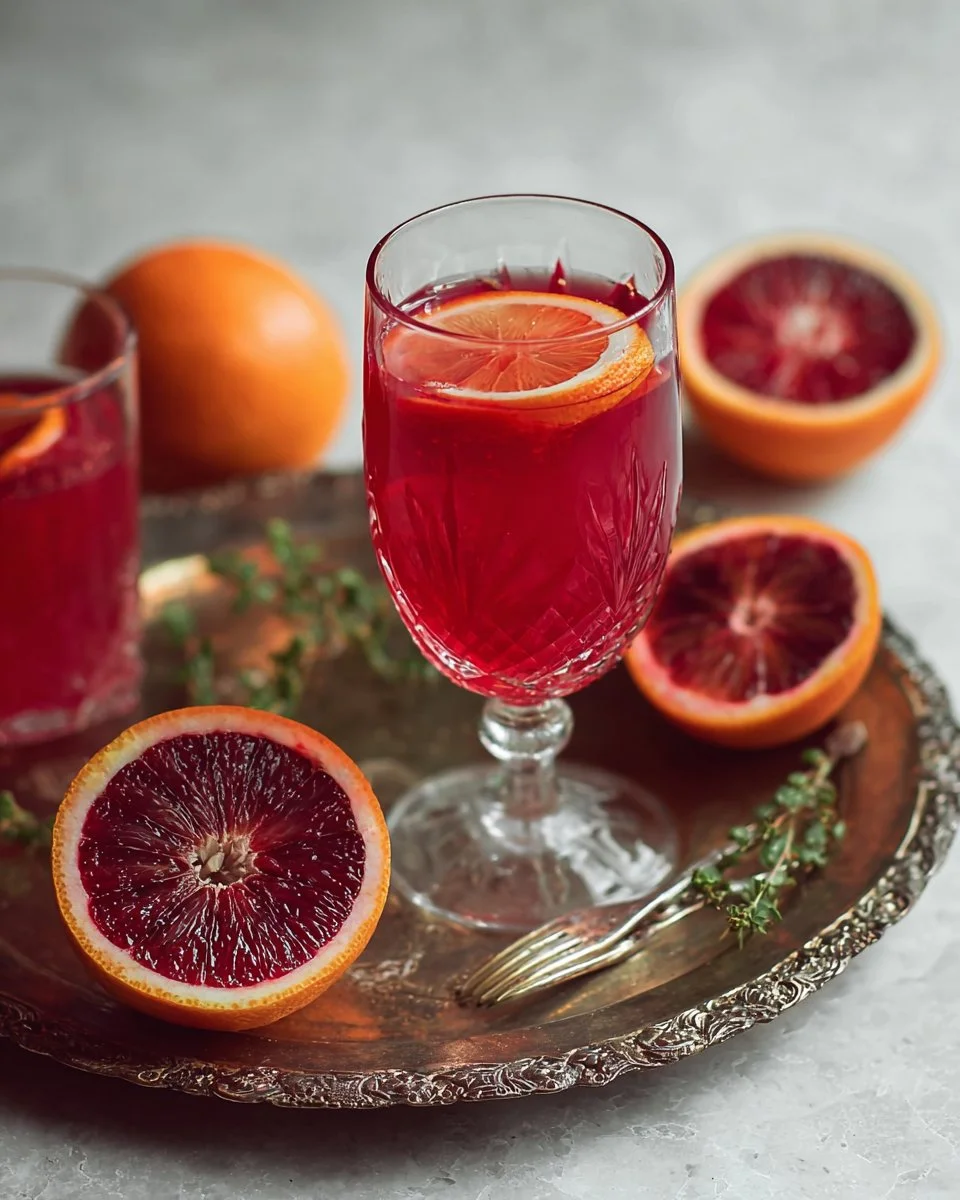
Blood Orange Elderflower Gin Cocktail — Bright Sip
A glass that smells like spring: bright blood orange, floral elderflower, and cold gin mingle into a sip that feels both festive and fresh. Blood Orange Elderflower Gin Cocktail is easy to make and stands out because the blood oranges add deep color and a subtle berry note that ordinary oranges don’t. I tested this riff across eight shakedowns—different gins, proportions, and sweeteners—to land on the balance below. I also perfected the technique while bartending small events where consistency mattered.
This recipe is noteworthy because it keeps the cocktail bright without being overly sweet. The elderflower liqueur (a floral, lightly sweet spirit) lifts the citrus without hiding it. Pulse-straining the juice and shaking hard for 10–12 seconds gives a silky texture and just enough dilution from ice. If you like other citrus-forward drinks, try our citrus carrot ginger smoothie for a nonalcoholic follow-up to the same flavor family. Ready to mix? Read on for exact measurements, timing, and pro tips to get this right every time.
Why This Recipe Works
- Fresh blood orange juice adds low-acid sweetness and a deep red color that bottled juice can’t replicate.
- A small measure of elderflower liqueur gives floral complexity without dominating the gin.
- Shaking with ice both chills and dilutes the drink to the ideal balance; a short rest after shaking smooths the edges.
- Fine-straining removes pulp and pith, leaving a clean, silky mouthfeel while retaining bright citrus oils.
- Using a 3:1 spirit-to-sweetener ratio keeps the gin present and prevents the cocktail from tasting like a dessert.
Ingredients Breakdown
- Gin — 240 ml (8 fl oz) total for 4 servings; 60 ml (2 fl oz) per serving. Gin is the backbone. Use a London dry or a citrus-forward gin for a brighter profile.
- Fresh blood orange juice — 180 ml (3/4 cup) total; 45 ml (1.5 fl oz) per serving. Fresh juice provides color, aroma, and a hint of berry. Bottled juice lacks the volatile oils. If you must use bottled, expect a flatter flavor.
- Elderflower liqueur (St-Germain or similar) — 80 ml (2.7 fl oz) total; 20 ml (0.67 fl oz) per serving. This sweet floral liqueur adds aroma and an off-dry finish. Substituting with a less-sweet floral syrup will reduce alcohol length and change mouthfeel.
- Simple syrup (1:1 sugar to water) — 60 ml (1/4 cup) total; 15 ml (1/2 fl oz) per serving. Balances citrus and rounds bitterness; adjust to taste. For a less sweet cocktail, reduce by 25%.
- Fresh lemon juice — 30 ml (2 tbsp) total; 7.5 ml (1/4 fl oz) per serving. Adds brightness and acidity to balance sweetness.
- Sparkling water or Prosecco — 240 ml (1 cup) total; 60 ml (1/4 cup) per serving for topping. Optional — adds effervescence and lifts aromas.
- Ice — enough for shaking and serving. Use large cubes to slow dilution when serving on ice.
- Garnish — blood orange wheel or twist and a sprig of thyme or mint. Citrus oil expressed over the glass intensifies aroma.
Ingredient notes and substitutions:
- If you prefer less alcohol, exchange half the gin for chilled soda water; the flavor will be lighter but still refreshing.
- For a drier drink, halve the simple syrup.
- If using Morton’s kosher salt in a citrus-rim garnish, use half the volume compared to Diamond Crystal; the brand affects density.
- Elderflower liqueur matters: cheaper floral syrups will make the drink sweeter and flatter. If you omit it entirely, increase lemon by 5–10 ml and reduce simple syrup by half.
Essential Equipment
- Cocktail shaker (Boston or cobbler) — a good seal and capacity for vigorous shaking.
- Fine mesh strainer — removes pulp and creates a smooth texture; if you lack one, double-strain through a small sieve lined with cheesecloth. See a fine-strain technique in this reference on straining small aromatics, which helps with similar kitchen techniques.
- Jigger or kitchen scale — measure 15–30 ml pours precisely; accuracy matters in cocktails.
- Citrus reamer or electric juicer — fresh juice is essential; a small hand reamer works well for blood oranges.
- Coupes or highball glasses — choose based on whether you want a stirred/served (coupé) or over-ice presentation (highball).
Step-by-Step Instructions
Servings: 4 cocktails. Prep time: 10 minutes. Cook time: 0 minutes. Inactive time: None. Total time: 10 minutes.
Step 1: Chill your glassware
Place 4 coupé or rocks glasses in the freezer for 5–10 minutes while you prepare ingredients. Cold glass keeps the cocktail crisp and delays dilution.
Step 2: Juice the blood oranges
Juice 4 medium blood oranges to yield 180 g / 180 ml (3/4 cup) total (about 45 ml / 1.5 fl oz per serving). Strain the juice to remove seeds and large pulp. Use the back of a spoon to press solids for extra yield, but avoid pith — it adds bitterness.
Step 3: Measure the spirits and mixers
Combine 240 ml (8 fl oz) gin, 80 ml (2.7 fl oz) elderflower liqueur, 60 ml (1/4 cup) simple syrup, and 30 ml (2 tbsp) fresh lemon juice into a mixing glass or shaker. For one cocktail, use 60 ml gin, 20 ml elderflower, 15 ml simple syrup, and 7.5 ml lemon. Measure precisely to keep the balance consistent.
Step 4: Shake with ice
Add the blood orange juice to the shaker with the measured spirits. Fill the shaker about two-thirds with ice and shake hard for 10–12 seconds until the outside of the shaker is frosty and cold. Shaking both chills and incorporates a small, desirable dilution.
Step 5: Double-strain into glass
Double-strain the mixture into chilled glasses: first pour through the shaker’s strainer, then through a fine mesh strainer to catch tiny pulp and shards of ice. This yields a silky, clean drink. Top each glass with 60 ml (1/4 cup) sparkling water or Prosecco if desired.
Step 6: Garnish and serve
Express a blood orange peel over each drink to release oils, then drop the wheel or twist into the glass and add a sprig of thyme or mint. Serve immediately while effervescence is lively.
Step 7: Batch for a crowd (optional)
To pre-batch for 8–12 guests, multiply the recipe by the number of servings and hold the uncarbonated base in a chilled container for up to 48 hours. Add sparkling water or Prosecco just before serving to preserve fizz. When I batch this for small events, I keep the sparkling element separate and pour it at the last minute to avoid flatness.
Expert Tips & Pro Techniques
- Use fresh blood oranges when in season; color and aroma are far superior to bottled juice.
- Common mistake: over-dilution. Shake hard, but don’t add extra ice time beyond 12 seconds; too much water flattens the flavors. If you need extra chill, pre-chill the gin and glasses.
- Fine-strain for texture: a second strain removes tiny bits of pith that can make the drink bitter. This is the small step that makes a bar-quality cocktail at home.
- Make-ahead: mix the base (gin + elderflower + juice + syrup + lemon) and keep refrigerated for up to 48 hours. Add carbonation and ice only when serving. This saves time without sacrificing brightness.
- Professional technique adapted for home: use large ice cubes in serving glasses to slow melt. If you don’t have large cubes, use full trays and freeze solid—this will reduce surface area and slow dilution.
- Swap syrups carefully: honey syrup (1:1 honey to water) gives floral weight but will slightly darken the color and add a rounded sweetness.
Storage & Reheating
- Refrigerator: Store the non-carbonated cocktail base (spirit + juices + syrup) in an airtight container or bottle for up to 48 hours. Shake or stir before serving. Do not store with sparkling water or Prosecco attached.
- Freezer: Not recommended. Freezing will break emulsions and mute citrus aromatics. Spirits alone can be stored frozen but diluted mixtures do not freeze well.
- Reheating: Not applicable. Serve chilled. If a pre-batched drink is too cold and slightly muted, let it sit at refrigerator temperature for 10–15 minutes, then add ice and top with sparkling water.
Variations & Substitutions
- Low-Alcohol Version: Replace half the gin with chilled soda water or tonic (make 120 ml gin + 120 ml soda per 4 servings). Keep elderflower and citrus the same. The drink will be lighter and more refreshing; skip pre-batching longer than 24 hours for best freshness.
- Prosecco Fizz: Swap sparkling water for 240–300 ml Prosecco. Use slightly less simple syrup (reduce by 15 ml total) because Prosecco adds perceived sweetness and body. Serve in coupés for a celebratory feel.
- Tequila Swap: Use blanco tequila instead of gin for a different citrus-forward backbone. Keep all other measures the same. The drink will gain agave notes and a softer botanical profile.
- Sugar-Free Version: Use a 1:1 monkfruit or stevia-based syrup designed for cocktails; start with half the usual amount and adjust. Flavor will be less rounded; add an extra 5–7 ml lemon juice to sharpen brightness.
- Food Pairing Variation: Add a savory element like a small goat cheese crostini topped with fig and orange to echo the cocktail’s citrus notes—this pairs beautifully with the elderflower lift. For one such crostini idea, see fig and orange goat cheese crostini.
Serving Suggestions & Pairings
- Appetizer: Fig and orange goat cheese crostini makes a bright, savory pairing that echoes the cocktail’s flavors; it is a natural complement to the elderflower.
- Small plates: Serve with spiced nuts or marcona almonds to add crunch and a savory contrast.
- Main course: Citrus-roasted chicken or dishes with orange and cranberry notes work well; pair with lighter poultry like a cranberry-orange chicken for a seasonal menu. Consider our take on cranberry orange chicken for a sit-down pairing.
- Nonalcoholic option: Offer a chilled citrus-ginger mocktail alongside, like the citrus carrot ginger smoothie, so guests who don’t drink still have a bright option.
Nutrition Information
Per serving (1 cocktail). Serves: 4. Serving size: 1 cocktail (about 180–220 ml depending on sparkling top).
- Calories: 220 kcal
- Total Fat: 0 g
- Saturated Fat: 0 g
- Cholesterol: 0 mg
- Sodium: 5 mg
- Total Carbohydrates: 15 g
- Dietary Fiber: 0.5 g
- Sugars: 13 g
- Protein: 0.2 g
Nutrition values are estimates. Actual values may vary based on specific ingredients and preparation methods.
Frequently Asked Questions
Q: Why did my cocktail taste flat?
A: Flatness usually comes from stale juice or lack of acidity. Use fresh blood orange and lemon juice and shake vigorously to aerate. If you added too much water or melted ice, the drink will be diluted—chill glasses and ingredients next time.
Q: Can I make this without elderflower liqueur?
A: Yes. Replace elderflower with 10–15 ml extra simple syrup and a few drops of orange blossom water or a teaspoon of orange curaçao for sweetness and floral notes. The result will be less complex and slightly less aromatic.
Q: Can I double or triple this recipe for a party?
A: Yes. Multiply ingredient amounts and keep the mixture chilled. Do not add sparkling water or Prosecco until serving to preserve fizz. I batch this recipe for events; keep the base refrigerated up to 48 hours.
Q: Can I prepare this the night before?
A: You can make the noncarbonated base the night before and refrigerate it. Add ice and sparkling water only when ready to serve. This keeps the cocktail bright and fizzy.
Q: How long does this keep in the fridge?
A: The noncarbonated base keeps for up to 48 hours in the refrigerator in an airtight container. Flavor will fade after that and oxidation will alter the color and aroma.
Q: My drink turned bitter. What happened?
A: Bitterness often comes from pith (white membrane) in the juice or over-extraction when pressing citrus. Strain well and avoid pressing pith. If bitterness persists, add 5–10 ml simple syrup per serving to rebalance.
Q: Is there a nonalcoholic version that still feels special?
A: Yes. Use 120 ml blood orange juice, 15 ml elderflower syrup (nonalcoholic), 15 ml lemon juice, 30 ml simple syrup, and top with sparkling water. Keep proportions smaller to maintain balance.
Conclusion
If you want a close reference to another home-cook-tested version, check the detailed notes at Blood Orange Elderflower Gin Cocktail – The Little Epicurean for more citrus ideas. For a citrus-forward presentation that leans more into sparkling wine, see the bright variation at Blood Orange Elderflower Gin Cocktail With Citrus – The Feedfeed.
Print
Blood Orange Elderflower Gin Cocktail
- Total Time: 10 minutes
- Yield: 4 servings 1x
- Diet: Vegetarian
Description
A vibrant cocktail blending fresh blood orange juice and floral elderflower liqueur with gin for a refreshing and festive drink.
Ingredients
- 240 ml Gin (8 fl oz)
- 180 ml Fresh blood orange juice (3/4 cup)
- 80 ml Elderflower liqueur (2.7 fl oz)
- 60 ml Simple syrup (1/4 cup)
- 30 ml Fresh lemon juice (2 tbsp)
- 240 ml Sparkling water or Prosecco (1 cup) – optional
- Ice – for shaking and serving
- Garnish: blood orange wheel or twist, sprig of thyme or mint
Instructions
- Chill your glassware by placing glasses in the freezer for 5–10 minutes.
- Juice the blood oranges to yield 180 ml (3/4 cup) of juice, straining it to remove pulp.
- Combine gin, elderflower liqueur, simple syrup, and lemon juice in a shaker.
- Shake with ice for 10–12 seconds until frosty.
- Double-strain the mixture into chilled glasses and top with sparkling water or Prosecco if desired.
- Garnish each drink with a blood orange peel and thyme or mint.
- Serve immediately for the best flavor.
Notes
Use fresh blood oranges for optimal flavor and aroma. Adjust sweetness and alcohol levels to taste.
- Prep Time: 10 minutes
- Cook Time: 0 minutes
- Category: Cocktail
- Method: Shaking
- Cuisine: American
Nutrition
- Serving Size: 1 cocktail
- Calories: 220
- Sugar: 13g
- Sodium: 5mg
- Fat: 0g
- Saturated Fat: 0g
- Unsaturated Fat: 0g
- Trans Fat: 0g
- Carbohydrates: 15g
- Fiber: 0.5g
- Protein: 0.2g
- Cholesterol: 0mg