
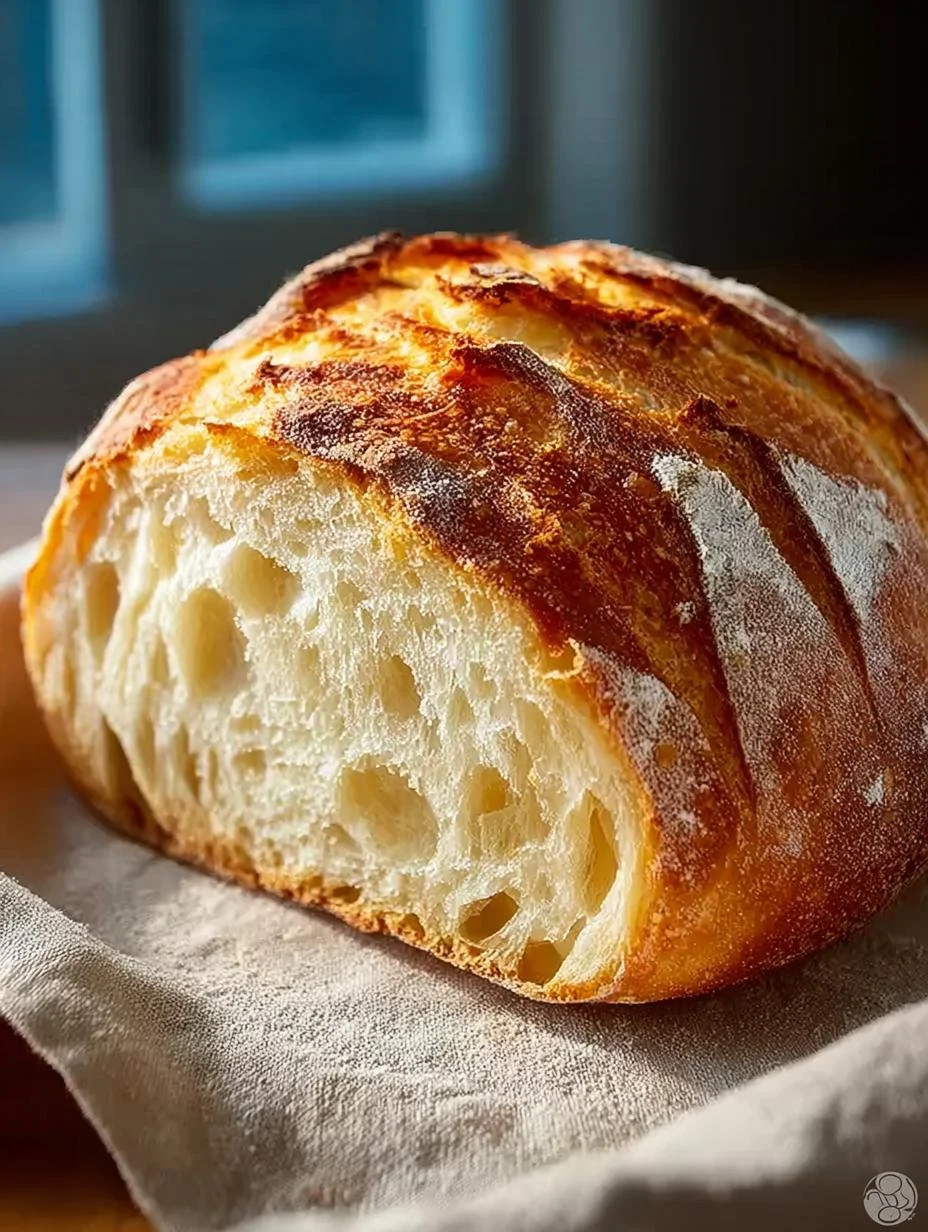
Traditional Artisan Bread guide
Imagine pulling a loaf from the oven whose crust crackles under your fingers and whose crumb holds pockets of flavor developed over time — not just ingredients, but a story of care. This Traditional Artisan Bread guide will teach you how to move from curiosity to confident, repeatable results.
You’ll learn why classic methods work, what each step does, how to adapt to your kitchen, and how to solve problems when a loaf doesn’t behave. By the end you’ll be able to bake loaves that belong on your table and in your routine.
What you’ll gain: a clear, practical pathway from fundamentals to advanced techniques; hands-on recipes and timings; troubleshooting tools; and the confidence to experiment. Whether you’re a beginner or have baked for years, this is a resource you’ll revisit.
Background & Context
Artisan bread — a simple combination of flour, water, salt, and often yeast or starter — traces its lineage across cultures. The phrase “Authentic Artisan Bread origin” points to long traditions: hearth baking, village ovens, and bakers who emphasized time, fermentation, and simple ingredients over additives and industrial shortcuts.
The “Classic Artisan Bread history” spans slow fermentation practices used in Europe and the Middle East, where natural starters were treasured and breads were shaped by hand. Modern artisan baking revives that heritage but adapts it for home kitchens. The result is bread that tastes of place and process, not additives.
A personal note: I learned the rhythms of artisan baking by watching bakers tuck dough into linen, learning to read bubbles in a starter, and appreciating how patience transforms a sticky mass into an elegant loaf. That tactile knowledge is what this guide aims to pass on.
Why This Approach Works
This guide focuses on process over strict recipes. Why? Because bread is chemistry expressed through craft. When you understand the how and why — gluten development, hydration, and fermentation — you control outcomes rather than following luck.
Benefits explained:
- Predictability: You’ll know what to adjust when dough feels different from batch to batch.
- Flexibility: Learn to use what’s available, from different flours to varying oven types.
- Depth: Techniques like autolyse or cold fermentation add flavor without complexity.
- Sustainability: Artisan methods emphasize time, not expensive equipment.
Common objections:
- “It sounds slow.” True: artisan bread values time. But most hands-on time is minimal. Long rests do the heavy lifting.
- “My oven isn’t professional.” That’s fine. Stovetop steam, Dutch ovens, and baking steels bridge the gap.
- “I don’t have fancy flours.” You can start with all-purpose and advance as you choose.
Core Concepts Explained
Break the craft down into components you can experiment with deliberately.
- Flour: The protein content (gluten potential) determines structure. High-protein bread flour (12–14% protein) gives more chew and volume. All-purpose (10–11.5%) works well for beginners.
- Water / Hydration: Hydration is water weight ÷ flour weight. Higher hydration (75–85%+) yields more open crumb and glossy crust. Start 60–70% if you’re new.
- Salt: Controls fermentation and strengthens gluten. Typical baker’s percentage: 1.8–2.2% of flour weight.
- Yeast / Starter: Instant yeast speeds predictable rises. Sourdough starter introduces wild yeasts and lactobacilli for complex flavor.
- Fermentation: Time + temperature = flavor and structure. Bulk fermentation develops gluten and creates gas.
- Gluten: Network that traps gas. Build it through time (autolyse, stretch & fold) or action (kneading).
- Shaping: Creates surface tension and encourages oven spring.
- Steam & Scoring: Steam keeps crust flexible early in bake and scoring controls expansion.
Alternatives and substitutions:
- Want whole grain? Substitute up to 30–40% whole wheat initially; higher ratios need more hydration and time.
- No preferment? Use straight dough (mix–bulk–shape–bake). Preferments (poolish/biga) add flavor and extensibility.
- No oven steam? Bake in a lidded Dutch oven or use a tray of hot water.
Examples:
- A 500g flour loaf at 70% hydration uses 350g water.
- A 2% salt addition on 500g flour is 10g salt.
Tools, Resources, or Foundations
Essentials:
- Digital scale (grams) — accuracy beats cups.
- Mixing bowl — large and sturdy.
- Bench scraper — shaping and handling.
- Dutch oven or baking stone — improves heat retention.
- Oven thermometer — many ovens are inaccurate.
Optional enhancements:
- Baking steel — faster, crisper crust.
- Proofing basket (banneton) — helps shape and hold dough.
- Instant-read thermometer — checks crumb doneness (around 200–210°F / 93–99°C).
Budget-friendly alternatives:
- Use a cast-iron pot or a heavy roasting pan with a lid as a Dutch oven substitute.
- Line a bowl with a clean towel if you don’t have a banneton.
Brief commentary: invest first in a scale and a reliable bowl. Everything else can be adapted.
Step-by-Step Process
This section gives a logical, repeatable flow for a classic artisan loaf. Times are approximate and depend on your kitchen temperature.
H3: Formula and Prep (10–20 minutes)
- Weigh ingredients precisely. Example base: 500g flour, 350g water (70% hydration), 10g salt, 2g instant yeast.
- Mix flour and water first (autolyse) for 20–40 minutes to hydrate the flour.
- Add salt and yeast, mix until combined.
Why autolyse? It allows enzymes to start breaking down proteins and starches, making gluten easier to develop and improving flavor.
H3: Developing Dough (30–90 minutes)
- Option A (stretch & fold): Every 20–30 minutes, perform 4 sets of stretch-and-fold in the bowl during bulk fermentation. This method builds strength without heavy kneading.
- Option B (kneading): 8–10 minutes by hand or 5–7 minutes in a stand mixer.
Time note: bulk fermentation length depends on temperature. At 75°F (24°C), expect 1.5–2 hours for noticeable rise. Cooler temperatures extend time.
Common mistake: overworking wet dough. Solution: use folds rather than brute kneading.
H3: Shaping & Bench Rest (10–20 minutes)
- Turn dough onto a lightly floured surface.
- Pre-shape into a loose round and let rest 15–20 minutes.
- Final shape: create surface tension by dragging dough and tucking seams underneath.
Pro tip: a tight skin on the loaf surface encourages good oven spring.
H3: Final Proof (30 minutes to 14+ hours)
- Proof at room temperature for short loaves (30–90 minutes).
- For flavor development, proof in the fridge 8–18 hours (cold retard). This increases acidity and aroma.
H3: Scoring & Baking (30–50 minutes)
- Preheat oven to 450–500°F (230–260°C) with a baking stone or Dutch oven inside.
- Score with a sharp blade to control expansion.
- Bake covered for first 20–25 minutes (retain steam), then uncover to brown for 15–25 minutes.
- Internal temperature ~200–210°F (93–99°C) signals doneness.
Cooling: allow at least 1 hour before slicing. The crumb finishes setting as it cools.
Common mistakes + how to avoid them:
- Dense crumb: underproofing or too little hydration. Solution: longer bulk fermentation, higher hydration.
- Flat loaves: weak gluten or overproofed. Solution: stronger build during bulk (stretch & folds), shorter proof.
- Pale crust: not enough oven heat or steam. Solution: hotter oven, use Dutch oven, add steam.
Time summary:
- Hands-on time: 30–60 minutes across the process.
- Waiting time: 2 hours to overnight, depending on proofing choices.
- Bake time: 30–50 minutes per loaf.
Expert Techniques & Insights
These strategies take your loaves from good to memorable.
- High-hydration loaves (75–85%): produce large, irregular holes and glossy crumb. Use wet-hand techniques and more folding rather than kneading.
- Sourdough management: keep a predictable feeding schedule. A 1:2:2 (starter:flour:water by weight) refresh can give reliable activity for baking same-day.
- Cold retard for flavor: retarding dough in the fridge for 12–18 hours develops organic acids and complexity.
- Heat management: preheat an extra 30–45 minutes when using stones or steels to ensure core heat.
- Steam tricks: preheat a small tray with hot rocks or use ice cubes to create steam quickly. A dutch oven traps steam naturally.
- Scoring depth and pattern: deeper (⅛–¼ inch) scores open more dramatically; decorative scoring is functional and aesthetic.
Lessons from experience:
- Consistency matters more than perfection. Repeat a base recipe until you can predict results, then tinker.
- Temperature wins over time. A small increase in room temp shortens fermentation noticeably.
- Embrace variability. Flour lots, humidity, and seasons change dough behavior; adjust water, not technique.
Variations & Adaptations
Artisan bread adapts to culture, time, and taste.
Different contexts:
- Rustic country loaf: blend white and whole grain flours, longer ferment.
- Baguette: lower hydration, tight shaping, long oven spring, bake on stone with steam.
- Ciabatta: very high hydration and minimal shaping.
Skill-level adaptations:
- Beginner: straight dough with instant yeast, room-temperature proofing, Dutch oven bake.
- Intermediate: preferments (poolish), higher hydration, bench shaping.
- Advanced: sourdough control, multi-stage fermentations, long retards, specialized scoring.
Cultural flexibility:
- Add olive oil and herbs for Mediterranean-style loaves.
- Incorporate seeds and nuts for rustic European breads.
- Use rye or whole-grain techniques for Central/Eastern European variants (note: these require different hydration and handling).
Analysis & Benefits Breakdown
Below is a comparison of common artisan approaches to help you choose what fits your kitchen and goals.
| Method | Strengths | Limitations | Best For |
|—|—:|—|—|
| No-knead (long ferment) | Minimal hands-on, open crumb, simple | Long time requirement, may be wetter | Beginners, busy schedules |
| Traditional knead + short ferment | Predictable, strong gluten | More hands-on time | Structured baking |
| Preferment (poolish/biga) | Improved flavor, extensibility | Extra steps/timing | Flavor-focused bakers |
| Sourdough starter | Complex flavor, natural leaven | Maintenance, variable timing | Serious hobbyists, flavor seekers |
Interpretation:
- Choose no-knead if you want good results with little active time.
- Use preferments and sourdough to deepen flavor once you’re comfortable with the basics.
- The “Classic Artisan Bread history” often favors preferments and long fermentation — that’s where character comes from.
Preparation, Retention & Long-Term Use
How to build skill and keep progress.
Preparation:
- Schedule bakes around your day. For instance, mix in the evening, retard overnight, bake in the morning.
- Keep a baking log: flour brand, hydration, temp, times, and notes.
Retention and reuse strategies:
- Freeze shaped dough: par-bake or freeze before final proof; thaw and bake later.
- Slice and freeze baked loaves for later use; refresh in oven to restore crust.
- Save and maintain a sourdough starter in the refrigerator between weekly feedings.
Longevity of skill:
- Baking is cumulative. Frequent short practice sessions (1–2 loaves/week) build intuition.
- Revisit a base recipe every few weeks to measure improvements and tweak variables.
Troubleshooting & Common Problems
Problem → Cause → Solution
- Dense loaf → Underproofed or insufficient gluten → Increase bulk fermentation time; perform more folds or knead longer.
- No oven spring → Overproofed or weak tension → Shorten final proof; tighten shaping to create surface tension.
- Gummy crumb → Underbaked → Check internal temp; bake longer or at slightly lower temp for longer time.
- Pale crust → Lack of steam/low heat → Increase oven temp; use covered bake method or add steam.
- Large flat bubbles on surface → Overhydration or poor shaping → Reduce hydration slightly or improve surface tension during shaping.
- Starter not rising → Inactive or cold starter → Feed more frequently; keep at warmer temp (75–80°F) before baking.
- Dough too sticky to handle → High hydration or underdeveloped gluten → Use wet-hand technique; allow more folding time.
- Cracked, messy crust → Excess flour on surface or low steam → Dust minimally and ensure steam in early bake.
If you feel stuck, return to one simple loaf and change only one variable (like hydration or proofing time) so you can isolate effects.
FAQ
Q: Do I need special flour for artisan bread?
A: No. Start with all-purpose flour, then try bread flour as you want more chew and strength. Different flours change texture but not the fundamental process.
Q: How important is a Dutch oven?
A: Helpful but not essential. A Dutch oven creates a steamy microclimate and gives great results; alternatives include covered roasting pans or using trays of steam.
Q: Can I make artisan bread without yeast?
A: Yes — with a sourdough starter, which uses wild yeast and bacteria. It requires maintenance and different timings.
Q: How do I know when dough is proofed?
A: Use the finger dent test: gently press; if the dent springs back slowly leaving a slight mark, it’s ready. If it springs back fast, proof longer; if it collapses, it’s overproofed.
Q: Why does hydration matter so much?
A: Hydration influences crumb openness, texture, and handling. Higher hydration gives more open crumb but requires different handling skills.
Q: Can I use whole wheat in artisan loaves?
A: Yes, but whole wheat absorbs more water and can be heavier. Start with 20–30% whole wheat and increase as you adjust hydration and fermentation.
Q: How long will a loaf keep?
A: Best within 2–3 days at room temperature in a paper bag. For longer, slice and freeze, then toast or reheat to refresh.
Q: Is scoring just decoration?
A: No — scoring controls how the loaf expands in the oven and guides oven spring. It’s both functional and an opportunity to personalize.
Related Topics & Next Steps
If you enjoyed this guide, explore:
- Sourdough maintenance and starter care.
- Enriched artisan breads (brioche, challah) — similar principles but different ingredient ratios.
- Regional bread traditions (baguettes, ciabatta, rye).
- Home milling — fresh-milled flour changes hydration and flavor.
Consider creating a small learning plan: pick one method (no-knead or Dutch-oven basic), bake three times, then try a preferment or a sourdough loaf.
Quick Reference Summary
- Essentials: weigh ingredients, use consistent temperatures, respect fermentation time.
- Base formula: flour + water + salt + yeast/starter.
- Hydration: start 60–70% for beginners; raise later.
- Fermentation: bulk then final proof; cold retard for flavor.
- Bake: initial steam (covered) then uncovered for color.
- Troubleshoot by isolating one variable at a time.
Keep a short log: date, flour, hydration, temps, result. It’s the fastest route to repeatable success.
Conclusion
You’ve followed a complete Traditional Artisan Bread guide from origin and theory through step-by-step practice and advanced tips. Use what you learned: start with a simple, repeatable loaf, keep a log, and introduce one new technique at a time. If you want reliable shortcut recipes or approachable step-by-step photo guides, check resources like Artisan Bread in Five Minutes a Day and a straightforward recipe such as this Artisan Bread Recipe (4 Ingredients). These resources pair well with the fundamentals above and can accelerate your practice.
- Practical recipe and method: Artisan Bread in Five Minutes a Day
- Simple 4-ingredient recipe for practice: Artisan Bread Recipe (4 Ingredients)
Thanks for reading — bake often, take notes, and don’t hesitate to return to this guide when you want to troubleshoot or try something new. If you’d like, I can convert this into a reusable system prompt, adapt it for a technical tutorial, or create a content evaluation checklist based on this framework. Which would you prefer next?
Print
Traditional Artisan Bread
- Total Time: 70 minutes
- Yield: 1 loaf 1x
- Diet: Vegetarian
Description
Learn to make classic artisan bread with a perfect crust and flavorful crumb using simple ingredients and techniques.
Ingredients
- 500g flour (bread or all-purpose)
- 350g water (70% hydration)
- 10g salt
- 2g instant yeast
Instructions
- Weigh ingredients precisely.
- Mix flour and water for autolyse, letting it sit for 20–40 minutes.
- Add salt and yeast, mixing until combined.
- Perform stretch-and-fold technique every 20–30 minutes during bulk fermentation for 1.5–2 hours.
- Turn dough onto a floured surface and pre-shape into a round. Rest for 15–20 minutes.
- Final shape the dough, creating surface tension by tucking seams underneath.
- Proof at room temperature or refrigerate for 8–18 hours for flavor development.
- Preheat oven to 450–500°F (230–260°C).
- Score the dough and bake covered for the first 20–25 minutes, then uncovered for an additional 15–25 minutes.
- Allow the bread to cool for at least 1 hour before slicing.
Notes
Use a digital scale for accuracy and consider a Dutch oven for better steam retention while baking.
- Prep Time: 20 minutes
- Cook Time: 50 minutes
- Category: Bread
- Method: Baking
- Cuisine: American
Nutrition
- Serving Size: 1 slice
- Calories: 200
- Sugar: 0g
- Sodium: 400mg
- Fat: 1g
- Saturated Fat: 0g
- Unsaturated Fat: 1g
- Trans Fat: 0g
- Carbohydrates: 42g
- Fiber: 2g
- Protein: 7g
- Cholesterol: 0mg