
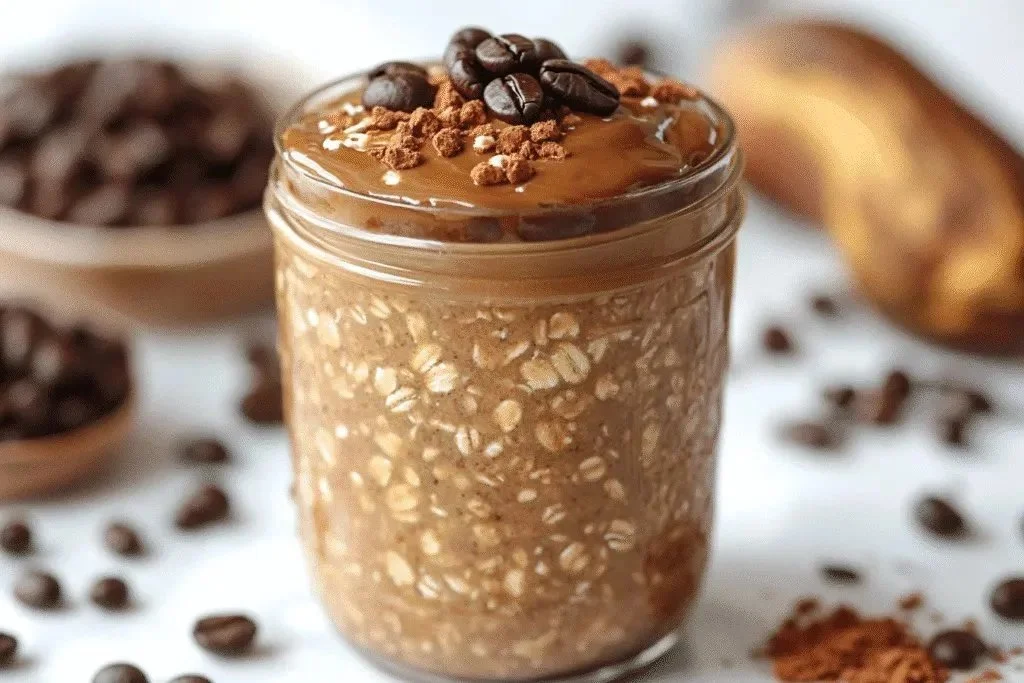
Traditional Shaken Espresso Overnight Oats guide
You’re about to learn a deceptively simple breakfast that marries wake-up coffee with slow-release morning energy. This Traditional Shaken Espresso Overnight Oats guide will take you from the first curious step to confident, repeatable results — and beyond into creative variations that make it a weekly ritual.
In this guide you’ll gain: a clear understanding of why shaking coffee into oats works, step-by-step recipes for beginner through advanced cooks, troubleshooting help, timed prep plans, and a toolkit for personalization. Read on to make this your go-to breakfast and to feel confident adapting it for taste, texture, and lifestyle.
Background & Context
Shaken espresso meets overnight oats through a convergence of two smart food trends: cold coffee shakes and fridge-set grains. The technique is simple — cold espresso or concentrated coffee is combined with milk and mixed into oats, then chilled so the oats soften and the coffee flavor infuses overnight.
If you’re curious about the Authentic Shaken Espresso Overnight Oats origin, it’s less a single-point invention and more an evolution. Baristas and home cooks experimented with shaken or vigorously mixed cold coffee drinks for decades. As overnight oats rose in popularity for convenience and nutrition, people combined the methods: chilled espresso, sweetener, and rolled oats get shaken for emulsification and texture, then rest in the fridge.
Classic Shaken Espresso Overnight Oats history tracks with social media and recipe-blog culture. Variations like brown sugar shaken espresso overnight oats became viral as home cooks posted creative flavor pairings and prep methods. The result is a flexible, ritual-ready breakfast that is both caffeinated and nourishing.
Personal note: I started making shaken espresso oats in the office when bike-commuting made mornings tight. The technique rescued both my time and my love of proper coffee flavor in a breakfast that travels.
Why This Approach Works
Shaking instead of stirring creates a different texture and flavor integration. Vigorous agitation froths and emulsifies the coffee and milk, distributing the bitter notes and letting sugar dissolve more completely. That means brighter coffee flavor and a silkier mouthfeel.
Overnight soaking does two things: it hydrates and softens rolled oats while allowing flavors to meld. The soothing, chilled texture is more palatable for many than hot porridge, and the cold espresso retains nuanced notes that hot coffee sometimes burns off.
This approach is accessible — no fancy equipment is required — and flexible. It works with instant espresso, brewed espresso, cold brew concentrate, or even strong drip coffee. It’s useful for weekdays, travel, and batch prep.
Common doubts: “Will the coffee make oats taste bitter?” Not if you balance ratios and sweeten correctly. “Does the caffeine dissipate?” No — it remains effective. “Won’t the oats get soggy?” Proper ratios and grain choice control texture.
Core Concepts Explained
Break the method into logical components so you can tweak each element.
- Oats: rolled (old-fashioned) oats are the baseline. Steel-cut oats are not ideal unless pre-soaked long; quick oats can get too mushy.
- Coffee base: espresso, strong drip, cold brew concentrate, or instant espresso dissolved in a small amount of hot water.
- Milk or liquid: dairy, plant milks, yogurt, or a combination. This determines creaminess and protein.
- Sweetener/acid: sugar, brown sugar, maple syrup, honey, or a splash of vanilla. Salt and acid (lemon or a dash of white vinegar) can brighten flavors.
- Shake/mix technique: vigorous shaking with ice (for chilled froth) versus stirring. Shaking emulsifies fat and disperses coffee oils.
- Rest time: 6–12 hours typically; longer for thicker textures.
Examples:
- Beginner: 1/2 cup rolled oats + 1/2 cup milk + 1 shot espresso + 1 tbsp brown sugar.
- Intermediate: substitute part of the milk with Greek yogurt for protein; use a cold brew concentrate splash to reduce acidity.
- Advanced: add an espresso crema technique using egg white (sous-vide barista cremas are advanced and optional).
Alternatives, simplifications, or substitutions:
- No espresso? Use 2 tbsp instant espresso mixed with 2 tbsp hot water.
- Vegan? Use oat milk and maple syrup.
- Need extra protein? Add casein or whey powder, or 1/2 cup Greek yogurt.
Tools, Resources, or Foundations
Essentials
- A jar with a tight lid or a shaker bottle.
- Rolled oats (old-fashioned).
- Espresso or concentrated coffee.
- Refrigeration.
Optional enhancements
- Cocktail shaker or Boston shaker (for barista-style froth).
- Milk frother for extra creaminess.
- Scale for exact ratios (helpful for consistent results).
- Small sieve for topping presentation.
Budget-friendly/Beginner alternatives
- Use a mason jar with a lid instead of a cocktail shaker.
- Instant espresso powder is affordable and stores well.
- Use a standard spoon or fork to stir if you don’t want to shake.
Commentary on usefulness: The barrier to entry is low, and each optional tool adds convenience or quality but isn’t essential. Start with basics; upgrade tools as you commit.
Step-by-Step Process
Below is a simple progression from beginner to confident batch prep. Time estimates assume typical household tools.
Beginner method — single-serving (10–15 minutes active; 6–12 hours chill)
- Measure oats: 1/2 cup rolled oats into a jar.
- Add liquid: 1/2–2/3 cup milk (adjust for desired thickness).
- Prepare coffee: 1 shot espresso or 2 tbsp cold brew concentrate.
- Sweeten: 1 tsp sugar or 1 tbsp brown sugar; add a pinch of salt.
- Shake or stir vigorously for 20–30 seconds to emulsify.
- Refrigerate for at least 6 hours, ideally overnight.
- Top and enjoy cold.
H3: Why the ratios?
- Oats-to-liquid: 1:1 to 1:1.5 is a good range. Less liquid yields firmer oats; more yields pudding-like texture.
- Coffee amount: 1 shot (30–45 ml) gives clear coffee flavor without overpowering; increase for stronger taste.
Intermediate — protein boost & texture control (15–20 minutes active; 6–12 hours chill)
- Use 1/2 cup oats + 1/2 cup milk + 1/4–1/2 cup Greek yogurt.
- Add 1 shot espresso and 1–2 tsp brown sugar.
- Combine in a jar, shake for 40–60 seconds.
- Refrigerate; stir once more after 2–3 hours to evenly distribute moisture.
H3: Time estimates
- Active prep: 10–20 minutes.
- Passive rest: 6–12 hours (overnight). Longer refrigerations up to 24–48 hours are okay but will thicken.
Batch prep — weekly planning (20–30 minutes for 4 servings; 1–5 days storage)
- Scale ingredients (example: 2 cups oats, 2 cups milk, 4 shots espresso, 4 tbsp brown sugar).
- Portion into jars or a single container. If filling jars, avoid filling to brim to allow shaking.
- Refrigerate. Single jars keep 3–4 days; a communal container can be scooped and lasts 2–3 days.
Common mistakes + how to avoid them
- Too bitter: reduce coffee concentration or increase sweetener and a pinch of salt.
- Too watery: use less milk or include yogurt.
- Too thick/mushy: reduce refrigeration time or use quick oats sparingly.
- Flat coffee flavor: use fresher coffee, or increase coffee-to-oat ratio.
Pro tips
- Add a tiny pinch of salt (1/8 tsp) to enhance sweetness.
- For a creamier mouthfeel, swap 20–30% of the milk for heavy cream or use whole milk.
- Toast oats lightly in a dry pan for 2–3 minutes before mixing for a nuttier profile.
Expert Techniques & Insights
Advanced strategies elevate flavor and texture.
- Emulsification with ice: Shake espresso, milk, and ice in a shaker for 10–15 seconds, then strain into oats. The ice chills and adds micro-foam that persists for a creamier texture.
- Cold brew concentrate: Use a concentrated brew to avoid dilution and create bright but smooth coffee notes. Start with a 1:3 concentrate-to-water ratio if making at home.
- Layered flavors: Prepare a coffee-soaked layer and a vanilla-yogurt layer to assemble in the morning for contrast.
- Infused sugars: Make brown-sugar espresso syrup (equal parts sugar & water, dissolve, stir in brown sugar and espresso) for consistent sweetness and deeper caramel notes.
- Adjusting acidity: Add a pinch of baking soda (very small) to mellow bright acids in very acidic coffee.
Lessons learned from experience
- Freshness matters: coffee loses aromatics quickly. Brew close to the prep time.
- Texture preference is personal: some like pudding-like oats; others prefer chew. Keep notes on ratios.
- Packaging matters: using jars with wide mouths makes topping and eating simpler.
Variations & Adaptations
Different contexts, tastes, and skill levels benefit from variations.
- Vegan: oat milk + maple syrup + almond butter.
- High-protein: add protein powder or 1/2 cup Greek yogurt.
- Low-sugar: use erythritol or monk fruit sweetener; add cinnamon for perceived sweetness.
- Dessert-style: fold in chocolate chips or cocoa nibs; add whipped cream before serving.
- Seasonal: pumpkin puree and pumpkin spice in fall; citrus zest and toasted coconut in summer.
Skill-level adaptations
- Beginner: follow basic single-serving recipe.
- Intermediate: experiment with yogurt and cold-brew.
- Advanced: make your own espresso crema, brown-sugar syrup, or infused milk.
Cultural or practical flexibility
- Mediterranean-style: use Greek yogurt, honey, and chopped pistachios.
- Asian-inspired: matcha powder swapped for espresso; use sweetened condensed milk sparingly for depth.
- Travel/office: keep components separate and assemble the night before or morning-of depending on convenience.
Analysis & Benefits Breakdown
Here’s a structured comparison to help decide when and how to use this recipe.
| Feature | Strengths | Limitations | Best Use Case |
|—|—:|—|—|
| Flavor integration | Strong coffee notes, balanced when shaken | Can be too bitter if misbalanced | Morning coffee + meal replacement |
| Convenience | Make-ahead, portable | Requires refrigeration | Busy workdays, travel |
| Nutrition | Can be high in fiber and protein | Added sugars increase calories | Balanced breakfast with protein option |
| Texture | Creamy, pudding-like | May be mushy for some | Those who prefer cold breakfasts |
| Versatility | Adapts to vegan, high-protein | Requires recipe adjustments for substitutions | Meal prep and variety seekers |
Strengths: efficient, flavorful, and customizable.
Limitations: refrigeration required, balancing bitterness takes practice.
Considerations: choose coffee and sweetener based on personal tolerance for bitterness and sugar.
Preparation, Retention & Long-Term Use
How to prepare effectively
- Measure and label jars with date and intended eat-by time.
- Pre-mix dry components for faster morning assembly.
Retention or reuse strategies
- Store single portions in sealed jars for convenience.
- Reheat gently in microwave if you prefer warm oats; add a splash of milk as needed.
Longevity of knowledge or skills
- Once you understand ratios (oats:liquid and coffee intensity), you can confidently adapt to other flavors and ingredients.
- Keep a small notebook or app note of ratios that suit your taste.
Storage guidelines
- Refrigerate at ≤4°C (40°F).
- Consume within 3–4 days for best texture and food safety when dairy is used; vegan versions can last a similar time but check for spoilage.
Troubleshooting & Common Problems
Problem → Cause → Solution
- Bitter oats → Too much coffee or over-extracted espresso → Reduce coffee, use cold brew, or increase sweetener and fat (milk/cream).
- Soggy/mushy texture → Quick oats or over-soaked steel-cut → Use rolled oats and reduce overnight time; pre-toasting helps.
- Flat coffee flavor → Old coffee or diluted concentrate → Brew fresh, use espresso or concentrat e, or increase coffee ratio.
- Separation (liquid on top) → Insufficient shaking/emulsification → Shake longer or stir before eating; include yogurt or cream to stabilize.
- Too sweet → Over-sweetening or syrup → Reduce added sweetener, compensate with spices (cinnamon) and salt.
- Curdled dairy with acidic additive → Acidic coffee and certain plant milks can curdle → Use full-fat dairy or blend before chilling; try cold-brew which is less acidic.
Focus on clarity and reassurance: most issues are solvable with small ratio tweaks.
FAQ Section
Q1: Can I use instant coffee instead of espresso?
A1: Yes. Dissolve 1–2 teaspoons of instant espresso granules in 1–2 tablespoons of hot water, then cool. Adjust quantity to taste.
Q2: How long can I keep shaken espresso overnight oats in the fridge?
A2: Typically 3–4 days when using dairy or yogurt. Check smell and texture before consuming.
Q3: Will the oats absorb all the coffee and make my morning too caffeinated?
A3: No — the caffeine is distributed in the liquid and absorbed, but it’s the same total caffeine as in your measured espresso or coffee shot.
Q4: Can I heat this dish?
A4: Yes, gently microwave for 30–60 seconds, adding a splash of milk if it seems dry. Expect different texture from the cold version.
Q5: What milk works best?
A5: Whole milk gives creaminess; oat or almond milk are good vegan options. Choose based on desired mouthfeel.
Q6: How do I avoid a gritty or chalky protein powder texture?
A6: Mix the protein powder first with a small amount of liquid to dissolve before combining with oats; shake well to avoid clumps.
Q7: Can I meal-prep these for a week?
A7: Yes, single jars store well for 3–4 days. For optimal freshness, don’t add crunchy toppings until serving.
Q8: Are there health benefits?
A8: Yes — rolled oats provide fiber and slow-release energy; pairing with protein or yogurt supports satiety and blood-sugar control. Coffee adds antioxidants and the alertness effect of caffeine.
Related Topics & Next Steps
If you enjoyed this guide, explore complementary skills to expand your breakfast repertoire:
- Homemade cold brew concentrate techniques.
- Yogurt-based parfait layering and textures.
- Barista basics: pulling balanced espresso shots and tasting notes.
- Meal-prep systems for weekly breakfasts.
- Flavor pairing guides (coffee + fruit, coffee + spices).
These topics help you tailor breakfast systems to routines, travel, and fitness goals.
Quick Reference Summary
- Base ratio: 1/2 cup rolled oats : 1/2–2/3 cup liquid.
- Coffee: 1 espresso shot or 2 tbsp cold brew concentrate per serving.
- Sweeten to taste; a pinch of salt enhances flavor.
- Shake vigorously or stir; refrigerate 6–12 hours.
- Store up to 3–4 days; add crunchy toppings just before serving.
- For creamier texture, add yogurt or swap some milk for cream.
Bookmark these quick steps for fast reference and adjust as you discover your preferred ratios.
Conclusion & Engagement
You’ve now got a practical, stepwise Traditional Shaken Espresso Overnight Oats guide that moves from foundational understanding to expert adjustments. Use the techniques here to create a reliable, flavorful breakfast ritual that fits your mornings.
For recipe inspiration and tested variations, check out this brown sugar-focused take: Brown Sugar Shaken Espresso Overnight Oats – Fit Foodie Finds. If you’d like another perspective on coffee-forward overnight oats, this recipe collection is a useful reference: Coffee Overnight Oats (Brown Sugar Shaken Espresso Overnight …) — Carmyy.
If you want, I can now:
- Convert this into a reusable system prompt.
- Adapt it for a technical tutorial or recipe card set.
- Create a content-evaluation checklist based on this framework.
Which of those would be most useful next?
Print
Traditional Shaken Espresso Overnight Oats
- Total Time: 10 hours
- Yield: 1 serving 1x
- Diet: Vegetarian
Description
A delicious blend of cold coffee and oats, perfect for a nutritious, on-the-go breakfast.
Ingredients
- 1/2 cup rolled oats
- 1/2 – 2/3 cup milk (or plant milk)
- 1 shot espresso (or 2 tbsp cold brew concentrate)
- 1 tbsp brown sugar (or sweetener of choice)
- A pinch of salt
Instructions
- Measure 1/2 cup of rolled oats into a jar.
- Add 1/2 – 2/3 cup of milk based on the desired thickness.
- Prepare 1 shot of espresso or 2 tbsp of cold brew concentrate.
- Sweeten with 1 tbsp brown sugar and a pinch of salt.
- Shake or stir vigorously for 20-30 seconds to emulsify.
- Refrigerate for at least 6 hours, ideally overnight.
- Top and enjoy cold.
Notes
For a protein boost, substitute part of the milk with Greek yogurt. Add various toppings to personalize.
- Prep Time: 15 minutes
- Cook Time: 0 minutes
- Category: Breakfast
- Method: Chilling
- Cuisine: American
Nutrition
- Serving Size: 1 serving
- Calories: 350
- Sugar: 20g
- Sodium: 150mg
- Fat: 8g
- Saturated Fat: 4g
- Unsaturated Fat: 4g
- Trans Fat: 0g
- Carbohydrates: 55g
- Fiber: 7g
- Protein: 10g
- Cholesterol: 30mg