
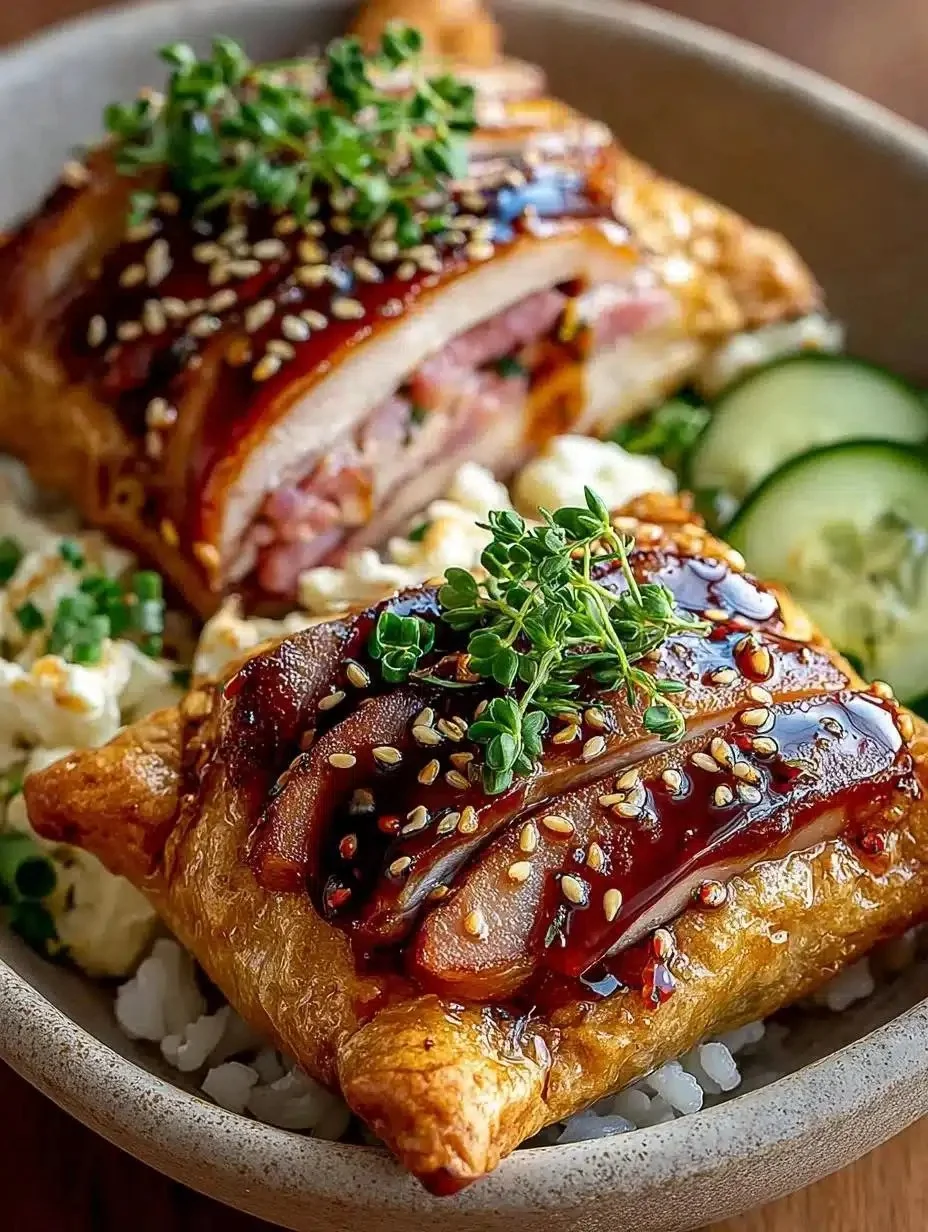
Puff Pastry Grilled Cheese — Flaky, Golden Delight
Buttery, crackling layers give way to molten, stretchy cheese in this Puff Pastry Grilled Cheese that melts on the first bite. I developed and refined this version after testing it 8 times to balance crispness and ooze without a soggy middle. The trick is quick assembly, cold puff pastry, and a light egg wash for a deeply golden finish. This recipe works whether you’re using supermarket sheets or making your own pastry, and it’s perfect for weeknight comfort or an elegant snack when entertaining. If you love easy puff pastry ideas, try my take on garlic puff pastry pinwheels for a savory appetizer. Read on for clear, tested steps and pro tips to get reliably flaky, melty results.
Why This Recipe Works
- Cold puff pastry keeps butter layers intact so steam can puff the dough and create crisp, flaky layers.
- A light egg wash promotes even browning without sealing the edges too tightly, which preserves interior steam for a melty center.
- Using a mix of melting cheeses balances flavor and stretch: a high-moisture cheese for melt and a sharper cheese for flavor.
- Quick assembly and a hot oven minimize moisture transfer from filling to pastry, avoiding a soggy bottom.
- A short rest after baking lets the cheese set slightly so each slice holds together when cut.
Ingredients Breakdown
- Puff pastry (1 sheet, thawed; usually 250 g / 8.8 oz). Role: the crisp, flaky exterior. Substitution: frozen phyllo can work, but it will be thinner and require folding; expect a different texture.
- Unsalted butter (15 g / 1 tbsp, melted). Role: brush for extra browning and flavor. If using salted butter, reduce added salt in the filling.
- Egg (1 large, beaten). Role: egg wash for shine and color. Can omit for a more matte finish.
- Cheddar cheese (120 g / 1 cup, shredded). Role: sharp flavor. Use a medium-sharp cheddar for balance.
- Gruyère cheese (100 g / 1 cup, shredded). Role: melt and nutty depth. Substitute fontina for a milder melt.
- Dijon mustard (1 tsp / 5 g). Role: cuts richness and layers flavor. Omit if disliked, but the sandwich will be richer.
- Butter or cooking spray for the pan. Role: prevents sticking and adds crispness.
- Optional: thinly sliced apple or ham (per sandwich: 30 g / 1 oz). Role: added flavor/texture; be wary of wet ingredients—pat dry.
Brand note: If you bake often, use a reliable puff pastry brand with visible butter layers. If using a European-style high-butter sheet, keep it cold and handle gently.
Essential Equipment
- Baking sheet lined with parchment or a silicone mat for easy release.
- Rolling pin (optional) to even the sheet—use very light taps.
- Pastry brush for egg wash.
- Sharp knife or pizza cutter for clean edges—use one stroke, not sawing.
- Ruler (optional) to cut evenly sized sandwiches.
- Oven thermometer (recommended) to ensure 200°C (400°F) accuracy; home ovens vary.
- Cast-iron skillet or nonstick pan (optional) if you want to pan-sear the puff pastry after baking for extra crust — not required.
Makes 4 sandwiches. Prep time 15 minutes; Cook time 20 minutes; Inactive time None; Total time 35 minutes. Servings: 4 (1 sandwich each).
Step 1: Preheat and prep
Preheat the oven to 200°C (400°F) and position a rack in the center. Line a baking sheet with parchment and lightly butter the surface to prevent sliding. If your oven runs hot or cold, check with an oven thermometer.
Step 2: Unfold and roll the puff pastry
Unfold one sheet of thawed puff pastry on a lightly floured surface and gently press seam creases with your fingers. Roll once with minimal pressure to 28 x 18 cm (11 x 7 inches) if needed, keeping the pastry cold. Do not overwork — keep the dough chilled and layers distinct. This takes 1–2 minutes.
Step 3: Portion and layer the filling
Cut the sheet into four equal rectangles (each about 14 x 9 cm / 5.5 x 3.5 in). On two rectangles, spread 1 tsp (5 g) Dijon mustard each, leaving a 1 cm (½ inch) border. Add 55 g (½ cup) shredded cheddar and 50 g (½ cup) shredded Gruyère to each, keeping the cheese pile centered to avoid spillover. If using ham or apple, add one thin slice (30 g / 1 oz). Assembly per sandwich: ~105–115 g (3.7–4 oz) filling. This step takes about 3–4 minutes.
Step 4: Seal and egg wash
Top with the remaining two rectangles and seal the edges by pressing with a fork or your fingers. Lightly score the top (do not cut through) to allow steam to escape. Brush the surface with beaten egg and trim any uneven edges. Do not puncture deeply — steam needs a small escape to puff properly. This step takes 2–3 minutes.
Step 5: Bake until golden
Transfer to the prepared baking sheet and bake at 200°C (400°F) for 16–20 minutes, rotating the pan halfway through. Bake until puffed and deeply golden—target an internal temp around 74°C (165°F) if measuring; otherwise, bake until the pastry is blistered and set, about 18 minutes. Watch closely; overbaking will dry the filling. Allow 16–20 minutes active baking time.
Step 6: Rest and serve
Let the sandwiches rest on a wire rack for 3–4 minutes to let the cheese set slightly before slicing. Serve warm. Total active hands-on time: ~15 minutes; resting time: 3–4 minutes.
Expert Tips & Pro Techniques
- Mistake to avoid: using room-temperature pastry. Warm pastry loses butter layers and yields a greasy, flat result—keep it cold until the oven.
- Use a cheese combo for both flavor and stretch: the Gruyère (or fontina) gives melt; sharp cheddar gives bite. Pre-shred your cheese or buy blocks and shred yourself for better melt (pre-shredded often contains anti-caking agents).
- Make-ahead: Assemble sandwiches on parchment, wrap individually in plastic, and refrigerate up to 24 hours. Add 2–3 extra minutes to baking if chilled. Do not freeze assembled (moisture can spoil pastry layers).
- Pro trick at home: chill the assembled sandwiches on a sheet pan for 10 minutes before baking—this firms up butter and helps the pastry puff evenly.
- For a crisp bottom: bake on a preheated baking steel or place the pan on the lowest oven rack for the first 6 minutes, then move to the center.
- To prevent leaking: grate cheeses finely and pat any wet ingredients dry. Too much wet filling causes soggy layers and leaks.
Storage & Reheating
- Refrigerator: Store cooled sandwiches in an airtight container or wrapped in foil for up to 2 days. The pastry will lose some crispness but remains tasty.
- Freezer: You can freeze baked sandwiches wrapped tightly in foil and placed in a freezer bag for up to 1 month. To reheat from frozen, bake at 180°C (350°F) for 18–22 minutes until heated through.
- Reheating (best): Reheat refrigerated sandwiches in a 175°C (350°F) oven for 8–10 minutes to restore crispness. From frozen, reheat at 180°C (350°F) for 18–22 minutes. Avoid microwaving — it will make the pastry soggy.
Variations & Substitutions
- Gluten-Free Adaptation: Use a store-bought gluten-free puff pastry sheet (if available). Note: some GF pastry uses different fat and may puff less; bake at the same temperature but expect slight texture differences.
- Vegetarian Upgrade: Add roasted red pepper strips and caramelized onions in place of meat. Keep cheese amounts the same. Roast peppers ahead and pat dry to avoid extra moisture.
- Spicy Melt: Mix 1 tsp (5 g) harissa or sriracha into the Dijon before spreading. Everything else stays the same; the heat pairs nicely with the buttery pastry.
- Mini Appetizers: Cut the sheet into 8 smaller rectangles for bite-sized grills; bake 12–14 minutes. Watch for quicker browning.
- Dairy-Free: Use a dairy-free puff pastry and a high-quality vegan melting cheese. Result: different flavor and melt, but still enjoyable.
Serving Suggestions & Pairings
- Classic pairing: a warm bowl of tomato soup contrasts perfectly with the rich, melty sandwich — try a creamy tomato soup recipe or similar soups for dipping.
- Salad balance: a crisp arugula salad with lemon vinaigrette cuts the richness; add toasted walnuts for texture.
- Beverage pairings: crisp, citrusy white wine (Sauvignon Blanc) or a hoppy IPA balances the buttery layers.
- For a fuller meal: pair with our savory protein taco bowls for protein-forward sides or use smaller sandwiches as finger food.
Nutrition Information
Per serving (1 sandwich). Makes 4 servings.
- Serving size: 1 sandwich
- Calories: 620 kcal
- Total Fat: 38 g
- Saturated Fat: 18 g
- Cholesterol: 95 mg
- Sodium: 820 mg
- Total Carbohydrates: 42 g
- Dietary Fiber: 1 g
- Sugars: 2 g
- Protein: 21 g
Nutrition values are estimates. Actual values may vary based on ingredients and preparation methods.
Frequently Asked Questions
Q: Why did my sandwich turn out soggy?
A: The most common cause is a wet filling or warm pastry at assembly. Pat any wet ingredients dry, keep pastry cold, and bake at a high temperature right away.
Q: Can I make this without eggs?
A: Yes. Skip the egg wash for a matte finish, or brush with milk or melted butter instead. The egg only affects color and shine, not structure.
Q: Can I double this recipe?
A: Yes — double the ingredients and use two baking sheets. Bake one sheet at a time on the center rack for most even results, or rotate sheets halfway through if baking both simultaneously.
Q: Can I prepare this the night before?
A: You can assemble and refrigerate for up to 24 hours. Bake directly from chilled and add 2–3 minutes to the bake time to compensate for the lower starting temperature.
Q: How long does this keep in the fridge?
A: Store in an airtight container for up to 2 days. Reheat in an oven to restore crispness.
Q: What cheeses melt best for this sandwich?
A: Gruyère, fontina, Monterey Jack, and young cheddar melt well. Combine a melter with a sharper cheese for flavor balance.
Q: Can I use homemade puff pastry?
A: Absolutely. Homemade puff pastry will puff beautifully if you keep it cold and laminated properly. Bake times are comparable; watch for color.
Conclusion
This Puff Pastry Grilled Cheese delivers the drama of flaky, golden layers with the simple comfort of melted cheese—perfect for a fast dinner or an impressive snack. For a sweet-salty puff pastry idea to serve alongside or after these sandwiches, try the honey-and-almond baked brie variation at Baked Brie in Puff Pastry with Honey and Almonds. If you want a cozy soup-and-pastry pairing, see the creative tomato-and-cheddar puff pastry pot pies at Tomato Soup Pot Pies with Cheddar Puff Pastry for a fun twist.
Print
Puff Pastry Grilled Cheese
- Total Time: 35 minutes
- Yield: 4 servings
- Diet: Vegetarian
Description
A flaky and golden grilled cheese sandwich made with cold puff pastry and a mix of melting cheeses, delivering a delightful crunch and stretchy center.
Ingredients
- Puff pastry (1 sheet, thawed; usually 250 g / 8.8 oz)
- Unsalted butter (15 g / 1 tbsp, melted)
- Egg (1 large, beaten)
- Cheddar cheese (120 g / 1 cup, shredded)
- Gruyère cheese (100 g / 1 cup, shredded)
- Dijon mustard (1 tsp / 5 g)
- Butter or cooking spray for the pan
- Optional: thinly sliced apple or ham (30 g / 1 oz per sandwich)
Instructions
- Preheat the oven to 200°C (400°F) and line a baking sheet with parchment.
- Unfold one sheet of puff pastry on a lightly floured surface and roll lightly if needed.
- Cut the sheet into four rectangles and layer cheese and mustard on two of the rectangles.
- Seal the sandwiches by topping with the remaining rectangles and pressing the edges.
- Brush the tops with beaten egg and score lightly for steam release.
- Bake for 16–20 minutes until golden and puffed, rotating halfway through.
- Let the sandwiches rest for 3-4 minutes before slicing and serving.
Notes
Keep the puff pastry cold for the best texture and avoid sogginess by using a dry filling.
- Prep Time: 15 minutes
- Cook Time: 20 minutes
- Category: Main Course
- Method: Baking
- Cuisine: American
Nutrition
- Serving Size: 1 sandwich
- Calories: 620
- Sugar: 2g
- Sodium: 820mg
- Fat: 38g
- Saturated Fat: 18g
- Unsaturated Fat: 20g
- Trans Fat: 0g
- Carbohydrates: 42g
- Fiber: 1g
- Protein: 21g
- Cholesterol: 95mg