
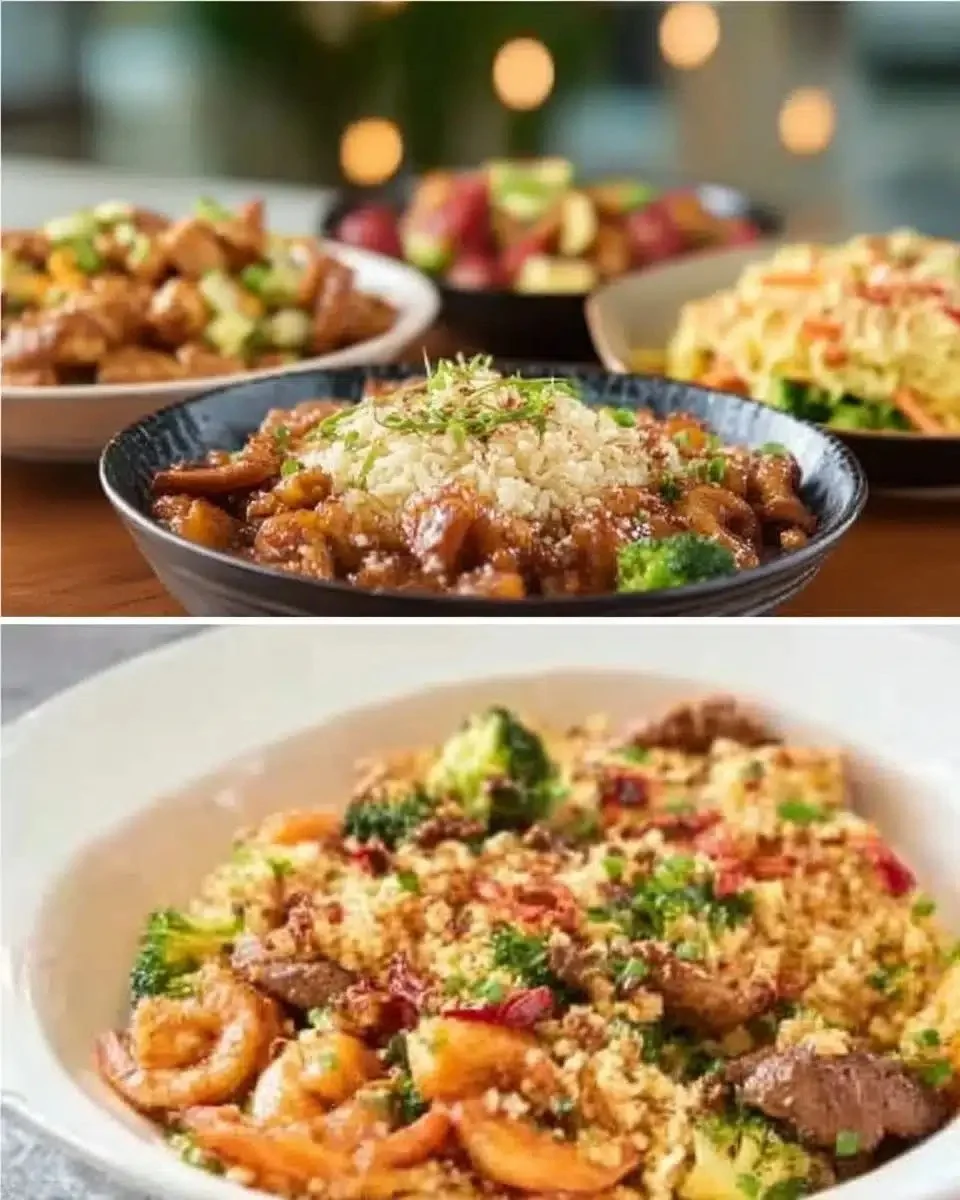
Pesto Chicken Pasta — Creamy Weeknight Dinner
Bright basil, toasted pine nuts, and warm pasta coated in glossy green sauce—this pesto chicken pasta sings of summer even on a rushed weeknight. I developed this version during my years in restaurant kitchens and refined it at home after testing it 10 times to get the sauce-to-pasta ratio just right. The result is a silky, herb-forward sauce that clings to every forkful and a quick method that keeps chicken juicy and the pasta tender.
This recipe stands out because the pesto is bright and never oily, the chicken stays moist thanks to a short sear and brief resting, and the sauce finishes with a touch of cream to marry the flavors. If you like other takes on this idea, you can compare techniques in a close variation of chicken pesto pasta that emphasizes a lighter sauce. Read on for an easy, tested technique that delivers consistent results.
Why This Recipe Works
- Toasting the pine nuts and blanching basil briefly deepens flavor and reduces bitterness, giving pesto a sweeter profile.
- Briefly searing the chicken at high heat locks in juices; slicing thin quarters results in tender bites without overcooking.
- Finishing the sauce with reserved pasta water and a splash of cream creates a silky emulsion that clings to pasta.
- Using room-temperature basil and a cold-cheese finish prevents the pesto from oxidizing and keeps the color vibrant.
- Tossing hot pasta with sauce off the heat preserves the basil aroma and avoids a cooked, dull-tasting sauce.
Ingredients Breakdown
- Pasta: 340 g (12 oz) short pasta such as penne, fusilli, or orecchiette. Short shapes hold the chunky pesto well. Swap to gluten-free 1:1 blend if needed; cooking time may vary.
- Boneless skinless chicken breasts: 500 g (1.1 lb), about 2 medium breasts. Cut into 1–2 cm (½–¾ inch) slices for quick, even cooking. Dark meat (thighs) adds more flavor but is slightly fattier.
- Basil pesto (homemade): 60–80 g (1½–2 cups) packed basil leaves, 30 g (3 tbsp) pine nuts, 60 g (⅔ cup) grated Parmesan, 1 large garlic clove, 60 ml (¼ cup) extra-virgin olive oil, salt to taste. Pre-made pesto works — choose one with few preservatives for fresher flavor.
- Heavy cream or half-and-half: 120 ml (½ cup). Adds silkiness and mellows sharpness. For dairy-free, use full-fat coconut milk; flavor will be slightly different.
- Lemon: zest and 1 tbsp (15 ml) juice to brighten the sauce.
- Salt: Use Diamond Crystal kosher salt for easier pinch measurements; if using Morton’s, halve the volume.
- Black pepper and red pepper flakes (optional): for warmth.
- Olive oil: 2 tbsp (30 ml) for searing chicken. Use a neutral oil with a higher smoke point if your olive oil is delicate.
- Reserved pasta water: about 120–180 ml (½–¾ cup). Starchy water helps bind the sauce.
Substitutions with impact warnings:
- Swap pine nuts with walnuts (equal weight) — the pesto will be earthier and less buttery.
- Use pecorino instead of Parmesan for a tangier finish; reduce salt slightly.
- Replace cream with Greek yogurt (120 g / ½ cup) off the heat — flavor brightens but sauce will be less glossy.
Essential Equipment
- 4-quart (4 L) pot for boiling pasta — large enough to prevent sticking.
- Heavy skillet, 10–12 inch (25–30 cm) stainless steel or cast iron pan for searing chicken. If you only have a nonstick, use it but the fond won’t develop as deeply.
- Food processor or blender for pesto. A mortar and pestle works but takes longer and yields a coarser texture.
- Tongs and a slotted spoon for transferring pasta and chicken.
- Kitchen thermometer to check chicken at 74°C (165°F) for safety when needed.
- Fine microplane for zesting lemon and grating cheese.
If you don’t have pine nuts, toast walnuts in a dry skillet until fragrant for 2–3 minutes and cool before processing.
Step-by-Step Instructions
Prep time 10 minutes • Cook time 20 minutes • Inactive time None • Total time 30 minutes • Serves 4 (1 generous bowl each)
Step 1: Toast the nuts and blanch the basil (3–4 minutes)
Heat a small dry skillet over medium heat and toast 30 g (3 tbsp) pine nuts for 2–3 minutes until golden and fragrant, shaking the pan frequently. Bring a small pot of water to a simmer, add basil for 10 seconds, then transfer to an ice bath—this blanches and brightens the leaves.
Step 2: Make the pesto (3–5 minutes)
In a food processor, pulse 60–80 g (1½–2 cups) blanched basil, toasted pine nuts, 60 g (⅔ cup) grated Parmesan, 1 garlic clove, and a pinch of salt until coarse. With the motor running, drizzle in 60 ml (¼ cup) olive oil until emulsified. Do not overprocess — stop when the mixture is slightly textured.
Step 3: Bring the pasta water to a boil and cook pasta (8–11 minutes)
Bring 4–5 L (16–20 cups) salted water to a rolling boil and add 340 g (12 oz) pasta. Cook to 1–2 minutes before package al dente, about 8–11 minutes depending on shape. Reserve 120–180 ml (½–¾ cup) pasta water, then drain.
Step 4: Sear the chicken (6–8 minutes active)
Pat chicken dry, season with salt and pepper. Heat 2 tbsp (30 ml) olive oil in a 10–12 inch (25–30 cm) skillet over medium-high heat until shimmering. Sear chicken slices 2–3 minutes per side until golden and an internal temperature of 74°C (165°F), about 4–6 minutes total depending on thickness. Transfer to a plate and let rest 3 minutes before slicing thinly.
Step 5: Finish the sauce and toss (3–4 minutes)
Return the skillet to medium heat, add 120 ml (½ cup) reserved pasta water and 120 ml (½ cup) heavy cream, bring just to a simmer for 1 minute. Stir in 60–80 g (1½–2 cups) pesto and 1 tbsp (15 ml) lemon juice; simmer 30–60 seconds until glossy. Add drained pasta and toss off heat until coated, adding more pasta water if needed to loosen, about 1–2 minutes. Stop tossing once sauce clings to pasta — do not boil.
Step 6: Serve and garnish (1 minute)
Plate pasta, top with rested sliced chicken, a sprinkle of extra Parmesan, lemon zest, and crushed red pepper if desired. Serve immediately.
Expert Tips & Pro Techniques
- Common mistake: Overprocessing pesto makes it greasy. Pulse until you see small flecks, not a smooth puree.
- To keep chicken juicy, slice breasts horizontally into thinner cutlets before searing so they cook fast and evenly.
- Make-ahead: Prepare pesto up to 48 hours ahead and store in an airtight container with a thin film of olive oil on top to prevent browning.
- Home pro trick: Use a splash of starchy pasta water and cream to create an emulsion that binds oil-based pesto to pasta without separating.
- If sauce seems heavy, stir in 1–2 tbsp (15–30 ml) bright lemon juice to lift the flavor.
- For a restaurant finish, finish with a quick griddle-char on the sliced chicken just before serving for extra texture.
Storage & Reheating
- Refrigerator: Store in an airtight container for up to 3 days. Keep pasta and chicken together; the sauce clings better than a dry pasta leftover.
- Freezer: Not recommended to freeze the assembled dish — pesto and cream separate after freezing. You can freeze plain pesto for up to 3 months in ice cube trays and thaw as needed.
- Reheating: Reheat gently on the stovetop over low heat with 1–2 tbsp (15–30 ml) water or milk added to restore silkiness; heat for 4–6 minutes until warmed through. Avoid microwaving on high, which can make the sauce separate.
Variations & Substitutions
- Vegetarian: Omit chicken and add 200 g (7 oz) roasted mushrooms or 200 g (7 oz) chickpeas. Everything else remains the same; toss mushrooms with pasta off heat.
- Lighter version: Swap 120 ml (½ cup) half-and-half for heavy cream and use 240 g (8 oz) whole-grain pasta to add fiber. Cook time unchanged.
- One-pot adaptation: Brown diced chicken and sauté garlic in the pot, then add 900 ml (3¾ cups) chicken stock and 340 g (12 oz) pasta; simmer until pasta is nearly done, then stir in pesto and cream. For a tested one-pot approach see this creamy one-pot technique.
- Gluten-free: Use 340 g (12 oz) gluten-free pasta; check package instructions and reduce sauce water if pasta absorbs less.
- Citrus-forward: Replace lemon juice with 1 tbsp (15 ml) white wine vinegar for a sharper lift; start with half the amount and taste.
Serving Suggestions & Pairings
- Simple salad: Serve with a crisp arugula salad dressed with lemon and olive oil for peppery contrast.
- Veggie side: Roasted cherry tomatoes or asparagus add sweetness and texture.
- Beverage: A chilled Sauvignon Blanc or dry rosé pairs well with basil’s herbal notes.
- Comfort option: Pair with creamy pumpkin chicken pasta on the table for a fall-themed pasta night where guests can mix flavors.
Nutrition Information
Per serving (serving size: 1 generous bowl) — recipe yields 4 servings. Values are estimates.
- Calories: 640 kcal
- Total Fat: 32 g
- Saturated Fat: 10 g
- Cholesterol: 95 mg
- Sodium: 560 mg
- Total Carbohydrates: 60 g
- Dietary Fiber: 4 g
- Sugars: 3 g
- Protein: 36 g
Nutrition values are estimates. Actual values may vary based on specific ingredients and preparation methods.
Frequently Asked Questions
Q: Why did my pesto chicken pasta turn out dry?
A: Dryness usually means too little sauce or overcooked chicken. Reserve 120–180 ml (½–¾ cup) pasta water and add it while tossing, and remove chicken from heat at 74°C (165°F) then rest 3 minutes.
Q: Can I make this without eggs?
A: Yes — this recipe contains no eggs. If you meant replacing eggs in a binder, simply use extra Parmesan or a touch of cream.
Q: Can I double this recipe?
A: Yes. Use a larger pot for pasta and sear chicken in batches so the pan stays hot. Cooking times per batch stay the same.
Q: Can I prepare this the night before?
A: You can make the pesto and sear the chicken a day ahead. Store them separately in the fridge and finish the pasta just before serving for best texture.
Q: How long does this keep in the fridge?
A: Keep assembled pasta in an airtight container for up to 3 days. Reheat gently on the stove with a splash of water or milk.
Q: Can I use store-bought pesto?
A: Yes. Choose a high-quality brand with olive oil and natural ingredients. You may want to add extra lemon zest to brighten flavor.
Q: How do I avoid a greasy sauce?
A: Emulsify the sauce with starchy pasta water and cream or a touch of butter off the heat. Do not boil the sauce after adding pesto or it may separate.
Conclusion
This pesto chicken pasta is a reliable, flavor-forward weeknight meal that balances bright basil, nutty cheese, and tender chicken. If you want another creamy take, compare my method with the Creamy Chicken Pesto Pasta at The Mediterranean Dish for a slightly richer sauce. For a one-pot shortcut that saves dishes, see the tested technique at Budget Bytes’ One Pot Creamy Pesto Chicken Pasta. Enjoy—this dish rewards small extras like lemon zest and fresh-grated Parmesan.
Print
Pesto Chicken Pasta
- Total Time: 30 minutes
- Yield: 4 servings 1x
- Diet: Gluten-Free Options Available
Description
A creamy and vibrant pesto chicken pasta that’s perfect for weeknight dinners, bringing summer flavors to your table.
Ingredients
- 340 g (12 oz) short pasta (penne, fusilli, or orecchiette)
- 500 g (1.1 lb) boneless skinless chicken breasts, sliced
- 60–80 g (1½–2 cups) packed basil leaves
- 30 g (3 tbsp) pine nuts
- 60 g (⅔ cup) grated Parmesan
- 1 large garlic clove
- 60 ml (¼ cup) extra-virgin olive oil
- 120 ml (½ cup) heavy cream or half-and-half
- Zest and juice of 1 lemon
- Salt and black pepper to taste
- 2 tbsp (30 ml) olive oil for searing
- 120–180 ml (½–¾ cup) reserved pasta water
Instructions
- Toast the pine nuts and blanch the basil in a small pot of simmering water for 10 seconds, then transfer to an ice bath.
- Make the pesto by pulsing blanched basil, toasted pine nuts, Parmesan, garlic, and salt in a food processor until coarse; drizzle in olive oil until emulsified.
- Bring a large pot of salted water to a boil, cook pasta until al dente (about 8–11 minutes), and reserve pasta water before draining.
- Sear the chicken slices in olive oil over medium-high heat until golden and cooked through (about 4–6 minutes), then let rest before slicing.
- Finish the sauce in the skillet with reserved pasta water and cream, then stir in pesto and lemon juice before tossing with the drained pasta.
- Serve hot, garnished with sliced chicken, extra Parmesan, and lemon zest.
Notes
Use room-temperature basil for vibrant color and flavor. To keep the sauce from becoming greasy, do not overprocess the pesto.
- Prep Time: 10 minutes
- Cook Time: 20 minutes
- Category: Main Course
- Method: Searing and Tossing
- Cuisine: Italian
Nutrition
- Serving Size: 1 serving
- Calories: 640
- Sugar: 3g
- Sodium: 560mg
- Fat: 32g
- Saturated Fat: 10g
- Unsaturated Fat: 18g
- Trans Fat: 0g
- Carbohydrates: 60g
- Fiber: 4g
- Protein: 36g
- Cholesterol: 95mg