
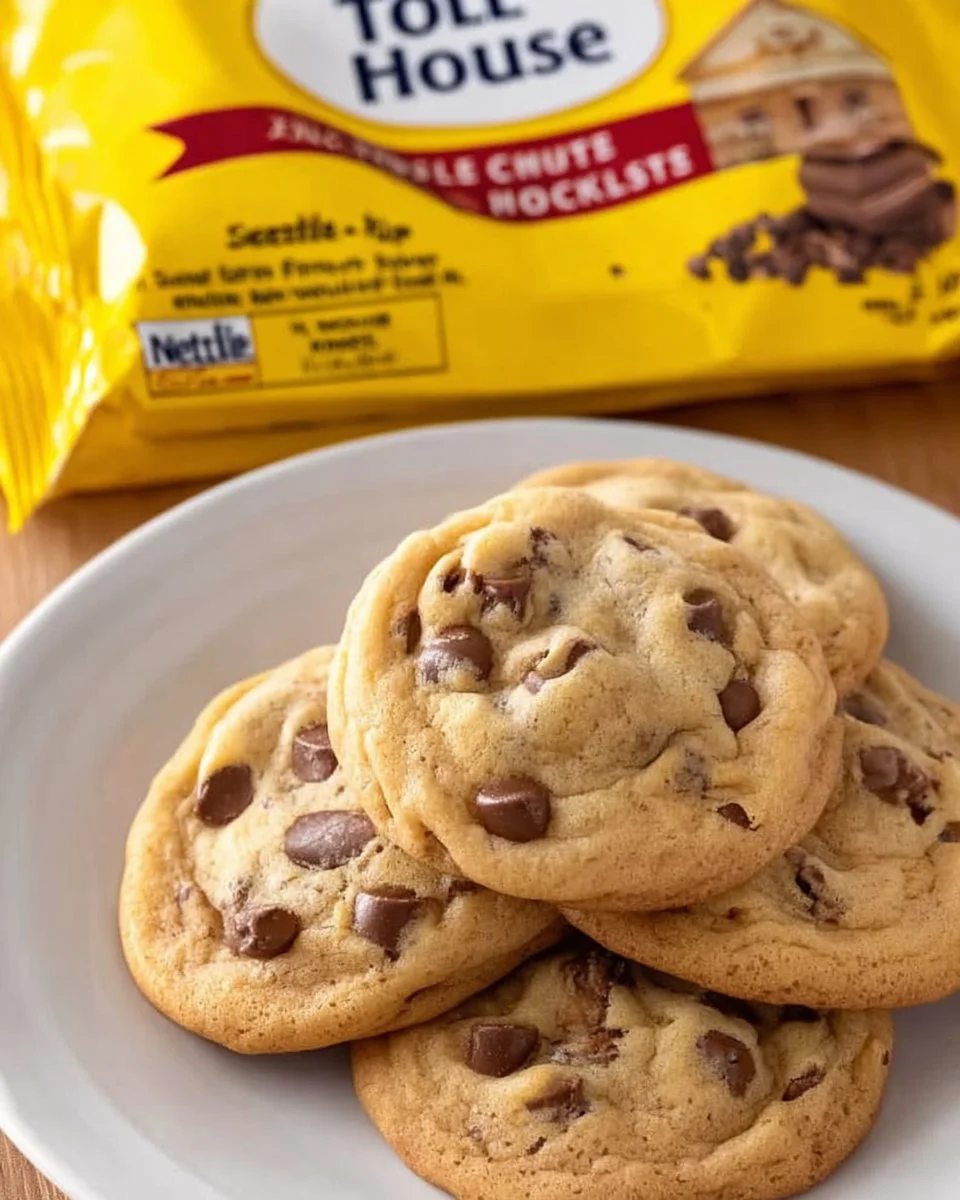
Toll House cookie recipe — Perfect Chocolate Chip Cookies
The first bite should be warm, slightly crisp at the edges and soft in the middle, with pockets of melted chocolate and a buttery aroma that fills the kitchen. This Toll House cookie recipe is the classic, trusted formula that delivers that exact result every time. I refined the method over repeated tests—baking and tasting 8 times with small changes to butter temperature and mixing technique—to land on reliable timing and texture. This version balances dough hydration and sugar ratios so the cookies spread just enough while keeping a tender center. For a chewier spin and technique comparisons, see our bakery-style version which uses a slightly different sugar ratio and higher bake temperature. Read on for ingredient science, step-by-step directions, and pro tips to help you bake impeccable chocolate chip cookies at home.
Why This Recipe Works
- Balanced sugar ratio: using more brown sugar than granulated keeps the center soft while granulated sugar helps crisp the edges.
- Room-temperature butter and gentle creaming create air pockets that lead to lift without dryness.
- Chilling the dough firms the fat, preventing over-spread and concentrating flavor.
- Proper measuring by weight ensures consistent texture and bake times.
- A short, medium-temperature bake yields golden edges and a tender center rather than a uniformly hard cookie.
Ingredients Breakdown
- All-purpose flour — 300 g (2 1/2 cups): Provides structure. Weighing the flour prevents dense cookies from overpacking. Do not overpack measuring cups.
- Baking soda — 1 tsp (6 g): Leavening agent that reacts with brown sugar to give lift and a light crumb.
- Fine salt — 1 tsp (5 g) Diamond Crystal kosher salt equivalent: Enhances flavor. If using Morton’s kosher salt, use 3/4 tsp.
- Unsalted butter — 170 g (3/4 cup, 1 1/2 sticks), softened to 18–20°C (65–68°F): Fat for tenderness and flavor. Butter temperature is critical; too warm yields flat cookies.
- Granulated sugar — 150 g (3/4 cup): Adds crispness and helps spread.
- Light brown sugar — 165 g (3/4 cup packed): Adds moisture and molasses flavor for chewiness.
- Large eggs — 2 (about 100 g total): Bind and add richness. If egg-free is required, see substitutions below.
- Pure vanilla extract — 2 tsp (10 ml): Flavor enhancer; use good-quality vanilla.
- Semi-sweet chocolate chips — 300 g (10 oz): The classic mix-in. Use high-quality chips for flavor; coarsely chop 150 g (5 oz) dark chocolate for pockets of molten chocolate.
- Optional: 1 cup (100 g) chopped walnuts or pecans — adds crunch and toasty flavor. Toast first for best aroma.
Substitution notes: You may swap part of the all-purpose flour with bread flour for chewier cookies, but reduce mixing to avoid toughness. For a gluten-free option, use a 1:1 blend plus 1/2 tsp xanthan gum—baking time may increase by 2–4 minutes. See variations for more swaps.
Essential Equipment
- Digital kitchen scale (recommended) — for accurate flour and sugar measurements.
- Stand mixer with paddle or hand mixer — for creaming butter and sugar. If you don’t have one, use a stiff spatula and a bit more elbow grease.
- Baking sheets — two heavy-duty, rimmed half-sheet pans (18 x 13 inches) or equivalent.
- Parchment paper or silicone baking mats — prevents sticking and promotes even browning.
- 1.5-tablespoon cookie scoop (or 40–45 g dough balls) — makes uniform cookies. No scoop? Use a rounded tablespoon and weigh.
- Wire rack — to cool cookies completely.
- Small bowl and fork — for beating eggs and vanilla.
For a treatment that yields larger, rustic cookies like the ones in cauldron cookies, increase scoop size and extend bake time by 3–5 minutes.
Step-by-Step Instructions
This recipe makes about 36 cookies. Prep time: 15 minutes. Cook time: 10–12 minutes per batch at 175°C (350°F). Total time: about 27 minutes active plus optional chilling. Inactive time: 30–60 minutes chill time (optional) to control spread.
Step 1: Preheat and prepare pans
Preheat the oven to 175°C (350°F) and position racks in the middle. Line baking sheets with parchment or silicone mats so cookies bake evenly. Allow 2–3 minutes for the oven to reach full temperature after loading for best results.
Step 2: Mix dry ingredients
In a bowl whisk together 300 g (2 1/2 cups) all-purpose flour, 1 tsp (6 g) baking soda, and 1 tsp (5 g) fine salt until evenly combined—about 30 seconds. Set aside; this ensures even leavening and salt distribution.
Step 3: Cream butter and sugars
In a stand mixer fitted with the paddle (or a large bowl with a hand mixer), beat 170 g (3/4 cup) softened unsalted butter with 150 g (3/4 cup) granulated sugar and 165 g (3/4 cup packed) light brown sugar on medium speed for 2–3 minutes. Stop when the mixture is pale and slightly fluffy; do not overbeat or the dough will dry out.
Step 4: Add eggs and vanilla
Beat in the 2 large eggs, one at a time, and then 2 tsp (10 ml) vanilla extract, mixing for 20–30 seconds until incorporated and glossy. Scrape the bowl once to ensure even mixing.
Step 5: Combine wet and dry
Add the flour mixture to the butter mixture in two additions, mixing on low speed until just combined—about 15–20 seconds per addition. Stop as soon as no dry flour streaks remain to avoid gluten development. The dough will be thick and slightly sticky.
Step 6: Fold in chocolate and nuts
Using a spatula, fold in 300 g (10 oz) semi-sweet chocolate chips and optional 100 g (1 cup) chopped toasted nuts for 10–15 gentle turns. Ensure chips are evenly distributed but avoid overworking the dough.
Step 7: Chill (optional but recommended)
Scoop dough into 40–45 g balls and place 2 inches apart on a tray. Chill for 30–60 minutes. Chilling firms butter and reduces spread, creating thicker cookies. If short on time, you can bake immediately; expect slightly thinner cookies.
Step 8: Bake and cool
Bake in the preheated oven for 10–12 minutes at 175°C (350°F), rotating pans halfway through. Bake until edges are golden brown and centers look set but still soft—about 10 minutes for medium cookies. Cool on the pan for 2 minutes, then transfer to a wire rack to finish cooling.
Step 9: Store or serve
Allow cookies to cool to room temperature before storing. Serve warm for melty chocolate or at room temperature for a chewier bite. Store as directed in the Storage & Reheating section below.
Expert Tips & Pro Techniques
- Measure flour by weight. Scooping with a cup packs too much flour and yields dry cookies.
- Common mistake: using overly soft butter. If butter is too warm, chill the dough balls for 30 minutes before baking to prevent flat cookies.
- For deeper flavor, toast chopped nuts and brown sugar a bit in a skillet for 1–2 minutes before measuring. Cool fully before using.
- Make-ahead: Scoop and freeze dough balls on a sheet tray, then transfer to a labeled bag. Bake from frozen; add 2–3 minutes to bake time.
- Professional trick adapted for home ovens: bake one tray at a time in the center rack and use an oven thermometer to ensure accurate temperature.
- For a chewier cookie, substitute 50 g (1/4 cup) bread flour for all-purpose and increase brown sugar by 15 g (1 tbsp). Bake at the same temperature but check for doneness a minute earlier.
Storage & Reheating
- Refrigerator: Store cooled cookies in an airtight container at room temperature for up to 4–5 days. For best texture, add a slice of bread to the container to keep them soft.
- Freezer: Dough balls freeze very well. Freeze on a tray, then transfer to a sealed bag for up to 3 months. Baked cookies freeze for up to 2 months; layer with parchment to prevent sticking.
- Reheating: Reheat in a 175°C (350°F) oven for 4–6 minutes to revive warmth and softness. Avoid microwaving large batches — it can make them overly soft or chewy.
Variations & Substitutions
- Gluten-Free Version: Replace 300 g all-purpose flour with a 1:1 GF blend plus 1/2 tsp xanthan gum. Baking time may increase by 2–4 minutes.
- Egg-Free Version: Use 2 tablespoons (30 g) flaxseed meal + 6 tbsp (90 ml) water, whisked and rested 5 minutes to replace 2 eggs. Texture will be slightly denser; add 1–2 minutes to bake time.
- Brown Butter Option: Replace softened butter with browned butter (melt and cook until nutty, then cool to 30°C/86°F) for nutty complexity. Allow dough to chill longer so butter rehardened slightly.
- Oatmeal Chocolate Chip: Replace 60 g (1/2 cup) flour with 60 g (3/4 cup) old-fashioned oats for chew and nutty flavor. See our oatmeal chocolate chip cookies for texture notes.
- Mix-Ins: Swap half the chips for chopped dark chocolate or add 1/2 tsp flaky sea salt on top after baking for balance. For a textural twist, try crushed hazelnuts and a sprinkle of cocoa nibs (see hazelnut crunch inspiration).
Serving Suggestions & Pairings
- Serve warm with a glass of cold milk or a shot of espresso for contrast.
- Garnish with flaky sea salt and pair with vanilla ice cream for a warm cookie sundae.
- Offer alongside salted caramel sauce for dipping on a dessert platter.
- Pair with our lighter cookies or bars for a cookie swap party and compare textures.
Nutrition Information
Serving size: 1 cookie. Makes 36 cookies.
Per serving (estimate)
- Calories: 120 kcal
- Total Fat: 6.5 g
- Saturated Fat: 3.5 g
- Cholesterol: 25 mg
- Sodium: 95 mg
- Total Carbohydrates: 15 g
- Dietary Fiber: 0.5 g
- Sugars: 9 g
- Protein: 1.5 g
Nutrition values are estimates. Actual values may vary based on specific ingredients and preparation methods.
Frequently Asked Questions
Q: Why did my cookies turn out flat and greasy?
A: Most likely the butter was too warm or you overcreamed the butter and sugar. Chill the dough for 30–60 minutes and ensure butter is 18–20°C (65–68°F) before mixing.
Q: Can I make this without eggs?
A: Yes. Use a flax egg substitute (2 tbsp flaxseed meal + 6 tbsp water for two eggs) or commercial egg replacer. Expect a slightly different texture—denser and less lifted.
Q: Can I double this recipe?
A: Yes, you can double it. Mix two batches of dough in separate bowls or use a large-capacity stand mixer and ensure thorough but brief mixing. Bake on multiple trays, one at a time, for consistent heat.
Q: Can I prepare the dough the night before?
A: Absolutely. Chilling the dough overnight (8–24 hours) deepens flavor and improves texture. Bring dough to room temperature for 10–15 minutes if very firm before scooping.
Q: How long do these keep in the fridge?
A: Baked cookies stored in an airtight container at room temperature keep well for 4–5 days. Refrigeration is not necessary and can dry them — use the fridge for dough only when extending life for up to 3 days.
Q: Why are my cookies cakey instead of chewy?
A: Cakey cookies usually mean too much flour, too much egg, or overmixing. Measure flour by weight and mix only until combined. Use a higher brown-to-white sugar ratio for chewiness.
Q: Can I use a different type of chocolate?
A: Yes. Dark chocolate will intensify flavor; milk chocolate will make them sweeter. Chop a chocolate bar for irregular melting pockets instead of standard chips.
Conclusion
This classic recipe honors the original proportions while adding simple, tested techniques so you get consistent results—chewy centers and crisp, golden edges—every time. For the original manufacturer’s version and background, see the Original NESTLÉ® TOLL HOUSE® Chocolate Chip Cookies and compare notes with the Nestle Toll House Cookie Recipe for variations and historical context. Enjoy baking, tasting, and sharing these timeless cookies.
Print
Toll House Chocolate Chip Cookies
- Total Time: 45 minutes
- Yield: 36 cookies 1x
- Diet: Vegetarian
Description
Classic Toll House cookie recipe with a perfect balance of crisp edges and soft centers, featuring pockets of melted chocolate.
Ingredients
- 300 g (2 1/2 cups) all-purpose flour
- 1 tsp (6 g) baking soda
- 1 tsp (5 g) fine salt
- 170 g (3/4 cup, 1 1/2 sticks) unsalted butter, softened
- 150 g (3/4 cup) granulated sugar
- 165 g (3/4 cup packed) light brown sugar
- 2 large eggs
- 2 tsp (10 ml) pure vanilla extract
- 300 g (10 oz) semi-sweet chocolate chips
- Optional: 100 g (1 cup) chopped walnuts or pecans
Instructions
- Preheat oven to 175°C (350°F), line baking sheets with parchment.
- Whisk flour, baking soda, and salt in a bowl.
- Cream butter, granulated sugar, and brown sugar until fluffy.
- Add eggs one at a time and mix in vanilla.
- Combine wet and dry ingredients gently.
- Fold in chocolate chips and nuts if using.
- Chill dough balls for 30–60 minutes.
- Bake for 10–12 minutes until edges are golden.
- Cool on baking sheets for 2 minutes before transferring to a rack.
Notes
For chewier cookies, adjust flour type and chilling steps as suggested. Can freeze dough for up to 3 months.
- Prep Time: 15 minutes
- Cook Time: 12 minutes
- Category: Dessert
- Method: Baking
- Cuisine: American
Nutrition
- Serving Size: 1 cookie
- Calories: 120
- Sugar: 9g
- Sodium: 95mg
- Fat: 6.5g
- Saturated Fat: 3.5g
- Unsaturated Fat: 2g
- Trans Fat: 0g
- Carbohydrates: 15g
- Fiber: 0.5g
- Protein: 1.5g
- Cholesterol: 25mg