
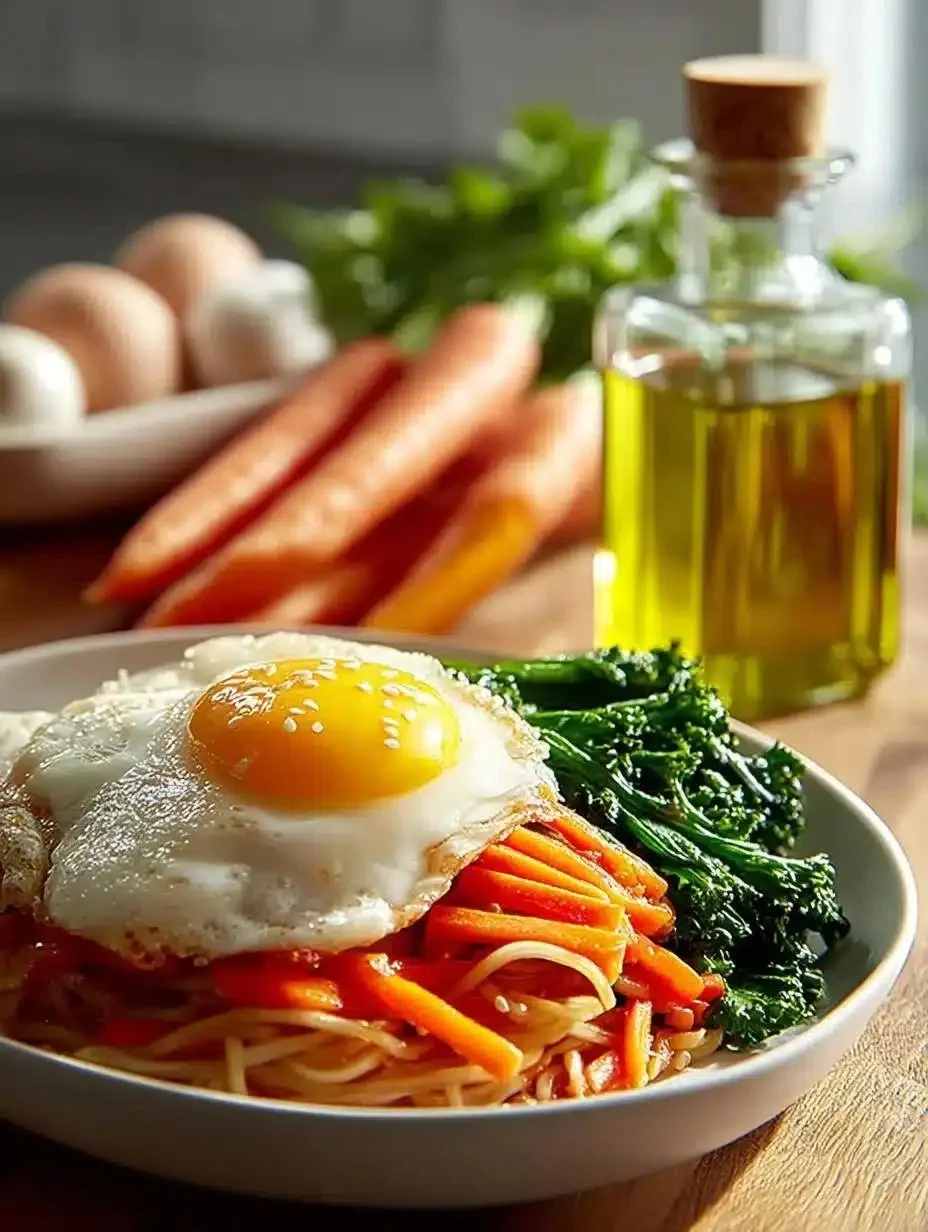
Korean Fried Noodles — Crispy Stir-Fry for Weeknights
The first bite is crackly, glossy, and salty-sweet — exactly the kind of texture that turns a quick dinner into a keep-it-in-rotation favorite. Korean fried noodles deliver crunchy noodles coated in a savory-spicy soy glaze, bright vegetables, and a fast technique that locks in texture. I perfected this version after testing it eight times on weeknights and while developing menus in a busy Korean bistro. The methods are tuned for speed and reliable crunch so you get crisp noodles without standing at the stove all night. Read on for precise timings, metric and imperial measures, and tips that prevent soggy noodles — then get cooking.
Why This Recipe Works
- Pan-frying the noodles first creates a crisp surface that keeps its texture when sauced later.
- A concentrated soy-sugar glaze clings to the noodles without making them soggy.
- Quick, high-heat stir-frying seals in bright vegetable color and crunch.
- A short rest after frying lets excess oil drain and prevents the sauce from steaming the noodles.
- Tested across home and small-restaurant kitchens for consistent results.
Ingredients Breakdown
- Noodles: 300 g (10.5 oz) fresh wheat noodles or 220 g (7.8 oz) dried alkaline noodles — fresh fries crisp fastest; dried needs 1–2 minutes parboil and cooling.
- Substitution: Use 300 g (10.5 oz) udon for chewier texture; crisping time increases by 2–3 minutes.
- Neutral oil: 60 ml (1/4 cup) vegetable or peanut oil — high smoke point for frying.
- Protein: 200 g (7 oz) thinly sliced pork shoulder or 250 g (9 oz) firm tofu, pressed and cubed — pork adds richness; tofu makes it vegetarian-friendly.
- Vegetables: 150 g (1 cup) shredded cabbage, 1 medium carrot (80 g / 3 oz) julienned, 1 bell pepper (120 g / 4.2 oz) sliced, 3 scallions (30 g / 1 oz) sliced.
- Aromatics: 3 cloves garlic minced (9 g), 1 tsp (5 g) grated ginger.
- Sauce: 60 ml (1/4 cup) soy sauce, 30 ml (2 tbsp) rice vinegar, 45 g (3 tbsp) brown sugar, 15 ml (1 tbsp) gochujang or 1 tsp (5 g) chili paste for heat (optional), 15 ml (1 tbsp) sesame oil.
- Note: If using low-sodium soy sauce, taste and add up to 1/2 tsp (3 g) more sugar to balance.
- Finish: 15 g (1 tbsp) toasted sesame seeds and a squeeze of lime or rice vinegar to brighten.
- Salt: Use Diamond Crystal kosher salt if possible; if using Morton’s, use about half the volume because it’s denser.
Essential Equipment
- Large nonstick or well-seasoned carbon steel skillet, 30 cm (12 inches) — allows a single layer of noodles for even crisping.
- Tongs and a flat spatula for flipping and pressing noodles.
- Fine-mesh strainer or colander for draining parboiled noodles.
- Large bowl for mixing the sauce and tossing.
- If you don’t own a large skillet, use two 25 cm (10-inch) pans and divide the noodles.
Step-by-Step Instructions
Prep Time: 15 minutes — Cook Time: 15 minutes — Inactive Time: None — Total Time: 30 minutes — Servings: 4
Step 1: Parboil (only if using dried noodles)
Bring 2 L (8 cups) water to a rolling boil. Add 220 g (7.8 oz) dried alkaline or wheat noodles and cook for 4–5 minutes until just pliable but not fully tender. Drain and rinse under cold water for 30 seconds to stop cooking. Drain well — noodle moisture is the enemy of crisping.
Step 2: Fry the noodles until crisp
Heat 60 ml (1/4 cup) oil in a large 30 cm (12-inch) skillet over medium-high heat until shimmering, about 180°C (350°F) surface temp. Add the noodles in a single layer and press gently with a spatula. Fry undisturbed for 3–4 minutes until the bottom is golden and crisp, then flip sections and fry another 2–3 minutes. Transfer to a paper-towel-lined tray to drain.
Step 3: Cook the protein and aromatics
Wipe the pan, add 1 tbsp (15 ml) oil, and heat to medium-high. Add 200 g (7 oz) pork or 250 g (9 oz) tofu. Sauté for 3–4 minutes until pork is browned through or tofu is golden, stirring regularly. Add garlic and ginger and cook 30–45 seconds until fragrant.
Step 4: Stir-fry the vegetables
Add cabbage, carrot, and bell pepper to the pan. Sauté for 2–3 minutes, tossing every 30 seconds, until vegetables are bright and just tender-crisp. Stir in scallions and cook 30 seconds.
Step 5: Make the sauce and combine
In a bowl, whisk 60 ml (1/4 cup) soy sauce, 30 ml (2 tbsp) rice vinegar, 45 g (3 tbsp) brown sugar, 15 ml (1 tbsp) sesame oil, and 15 ml (1 tbsp) gochujang if using. Pour the sauce into the pan and cook for 30–60 seconds until it bubbles and thickens slightly. Return the drained, crisped noodles to the pan and toss gently for 45–60 seconds until evenly coated. Taste and adjust with a pinch of salt or 1 tsp (5 g) sugar.
Step 6: Finish and serve
Scatter 15 g (1 tbsp) toasted sesame seeds and a squeeze of lime or rice vinegar. Serve immediately while the noodles remain crispy. Leftovers lose some crunch quickly.
Expert Tips & Pro Techniques
- Avoid steam: Do not overcrowd the pan when frying noodles. Fry in a single layer; overcrowding creates steam and softens the noodles.
- Use cold, dry noodles: Excess water stops crisping. Pat fresh noodles dry and rinse dried noodles well after parboil.
- Mistakes to avoid: Adding the sauce too early will steam the noodles. Wait until after the noodles are crisp and briefly toast the sauce in the pan to concentrate it.
- Make-ahead: Fry the noodles and cool on a rack for up to 6 hours. Store in the fridge uncovered on a tray for best re-crisping later. Refinish with sauce just before serving.
- Professional shortcut: Use a high-heat wok or carbon steel pan and toss quickly on a high flame to evaporate extra moisture — keep hands moving to prevent burning.
- Flavor layering: Brown the sugar slightly in the pan before adding soy for a deeper caramel note. Don’t let it burn — about 30–45 seconds over medium heat is enough.
Ingredients (full list)
- 300 g (10.5 oz) fresh wheat noodles or 220 g (7.8 oz) dried noodles
- 60 ml (1/4 cup) neutral oil (vegetable or peanut)
- 200 g (7 oz) thinly sliced pork shoulder OR 250 g (9 oz) firm tofu, cubed
- 150 g (1 cup) shredded cabbage
- 1 medium carrot, 80 g (3 oz), julienned
- 1 bell pepper, 120 g (4.2 oz), thinly sliced
- 3 scallions, 30 g (1 oz), sliced
- 3 cloves garlic, 9 g, minced
- 1 tsp (5 g) grated ginger
- 60 ml (1/4 cup) soy sauce
- 30 ml (2 tbsp) rice vinegar
- 45 g (3 tbsp) brown sugar
- 15 ml (1 tbsp) gochujang or chili paste (optional)
- 15 ml (1 tbsp) sesame oil
- 15 g (1 tbsp) toasted sesame seeds
- Diamond Crystal kosher salt to taste (or halve if using Morton’s)
Storage & Reheating
- Refrigerator: Store in an airtight container for up to 2 days. The noodles will soften; re-crisping is necessary.
- Freezer: Not recommended — fried noodles lose their texture when frozen and thawed.
- Reheating: For best texture, reheat in a 190°C (375°F) oven for 6–8 minutes on a wire rack to re-crisp edges, then briefly toss in a hot pan with a splash of oil and sauce for 30–45 seconds. Avoid microwaving; it makes noodles soggy.
Variations & Substitutions
- Vegetarian: Use 250 g (9 oz) firm tofu instead of pork and add 1 tsp (5 g) mushroom powder for umami; technique stays the same.
- Gluten-free: Swap soy sauce for tamari or coconut aminos (60 ml / 1/4 cup). Use rice or glass noodles (300 g / 10.5 oz) — these require shorter parboil and a lighter crisping time (2–3 minutes per side).
- Spicy-sweet: Increase gochujang to 30 ml (2 tbsp) and add 1 tsp (5 g) toasted chili flakes. Keep sugar the same to maintain glaze balance.
- Seafood version: Use 300 g (10.5 oz) shrimp, peeled and deveined. Sear shrimp 1–2 minutes per side until opaque before adding vegetables.
- Make it lighter: Shallow-fry noodles with 30–40 ml (2–3 tbsp) oil in two batches rather than deep-frying. Crisp will be slightly less but still satisfying.
Serving Suggestions & Pairings
- Garnish with additional scallions and a side of quick kimchi for acidity.
- Pair with a crisp lager or a chilled dry Riesling to cut through the glaze.
- For texture contrast, serve alongside our crispy fried pineapple rings.
- Round the meal with a simple egg side like in our authentic egg fried rice for an extra-comfort plate.
Nutrition Information
Per serving (serving size: about 1 plate, recipe makes 4 servings)
- Calories: 550 kcal
- Total Fat: 22 g
- Saturated Fat: 5 g
- Cholesterol: 45 mg (varies if tofu used)
- Sodium: 980 mg (varies with soy sauce)
- Total Carbohydrates: 68 g
- Dietary Fiber: 4 g
- Sugars: 12 g
- Protein: 20 g
Nutrition values are estimates. Actual values may vary based on specific ingredients and preparation methods.
Frequently Asked Questions
Q: Why did my noodles turn out soggy instead of crispy?
A: Soggy noodles usually mean too much moisture. Drain and pat noodles dry after parboil, avoid overcrowding the pan when frying, and make sure oil is hot (shimmering) before adding noodles.
Q: Can I make this without eggs?
A: Yes — this recipe uses no eggs. If you meant swapping egg as an ingredient for protein, use tofu (250 g / 9 oz) in place of pork with identical timing.
Q: Can I double this recipe for a crowd?
A: You can double the ingredients but cook in batches to keep the noodles in a single layer when frying. Overcrowding causes steaming, so use two pans or fry in two rounds.
Q: Can I prepare this the night before?
A: Yes. Fry the noodles and cool on a rack. Store the fried noodles uncovered in the fridge up to 6 hours for best re-crisping. Keep sauce and vegetables separate and finish assembly before serving.
Q: How long does this keep in the fridge?
A: Stored in an airtight container, leftovers keep for up to 2 days. Expect a loss of crispness; re-crisp in the oven before serving.
Q: What’s a good substitute for gochujang if I don’t have it?
A: Substitute 15 ml (1 tbsp) miso mixed with 1 tsp (5 g) chili paste or sriracha for a similar umami-spicy lift. Adjust sugar to taste.
Q: Will the noodles absorb the sauce and dry out?
A: If you use the concentrated glaze and toss briefly, the sauce will cling without soaking in. Overcooking after saucing causes absorption; toss only 45–60 seconds until coated.
Internal Resources and Further Reading
- For a sweet-crisp side inspiration, try our crispy fried pineapple rings.
- Explore a tofu crisping technique in our crispy fried silken tofu guide for vegetarian swaps.
- If you want a lighter morning pairing, see our banana smoothie recipe for weight loss.
- For a quick egg-based side, check the classics in our authentic egg fried rice.
- For sweet balance on the plate, revisit these crispy fried pineapple rings to double-link their tropical crunch.
Conclusion
If you like tofu-based weeknight ideas, try Choosing Chia’s weeknight tofu stir fry for a fast, family-friendly option. For a chef’s approach to using fridge odds and ends in a noodle stir-fry, read Dave Chang’s soy-and-scallion noodle stir-fry for inspiration.
Print
Korean Fried Noodles
- Total Time: 30 minutes
- Yield: 4 servings 1x
- Diet: Vegetarian
Description
Quick and crispy Korean fried noodles coated in a savory-spicy soy glaze with bright vegetables, perfect for weeknight dinners.
Ingredients
- 300 g (10.5 oz) fresh wheat noodles or 220 g (7.8 oz) dried alkaline noodles
- 60 ml (1/4 cup) neutral oil (vegetable or peanut)
- 200 g (7 oz) thinly sliced pork shoulder or 250 g (9 oz) firm tofu, cubed
- 150 g (1 cup) shredded cabbage
- 1 medium carrot, 80 g (3 oz), julienned
- 1 bell pepper, 120 g (4.2 oz), sliced
- 3 scallions, 30 g (1 oz), sliced
- 3 cloves garlic, 9 g, minced
- 1 tsp (5 g) grated ginger
- 60 ml (1/4 cup) soy sauce
- 30 ml (2 tbsp) rice vinegar
- 45 g (3 tbsp) brown sugar
- 15 ml (1 tbsp) gochujang or chili paste (optional)
- 15 ml (1 tbsp) sesame oil
- 15 g (1 tbsp) toasted sesame seeds
- Diamond Crystal kosher salt to taste (or halve if using Morton’s)
Instructions
- Parboil dried noodles if using, in boiling water for 4–5 minutes; drain and rinse.
- Fry the noodles in hot oil for 3–4 minutes undisturbed, then flip and fry for another 2–3 minutes.
- Cook protein in the pan, sautéing for 3–4 minutes until browned; add garlic and ginger and sauté for another 30–45 seconds.
- Stir-fry vegetables, adding them to the pan and sautéing for 2–3 minutes until tender-crisp; add scallions and cook 30 seconds.
- Make the sauce by whisking all sauce ingredients together, pour over the pan, and cook until thickened; toss in the noodles to coat.
- Finish with sesame seeds and lime or rice vinegar; serve immediately.
Notes
For best texture, do not overcrowd the pan while frying the noodles. Re-crisp leftovers in the oven at 190°C (375°F).
- Prep Time: 15 minutes
- Cook Time: 15 minutes
- Category: Main Course
- Method: Stir-frying
- Cuisine: Korean
Nutrition
- Serving Size: 1 serving
- Calories: 550
- Sugar: 12 g
- Sodium: 980 mg
- Fat: 22 g
- Saturated Fat: 5 g
- Unsaturated Fat: 0 g
- Trans Fat: 0 g
- Carbohydrates: 68 g
- Fiber: 4 g
- Protein: 20 g
- Cholesterol: 45 mg