
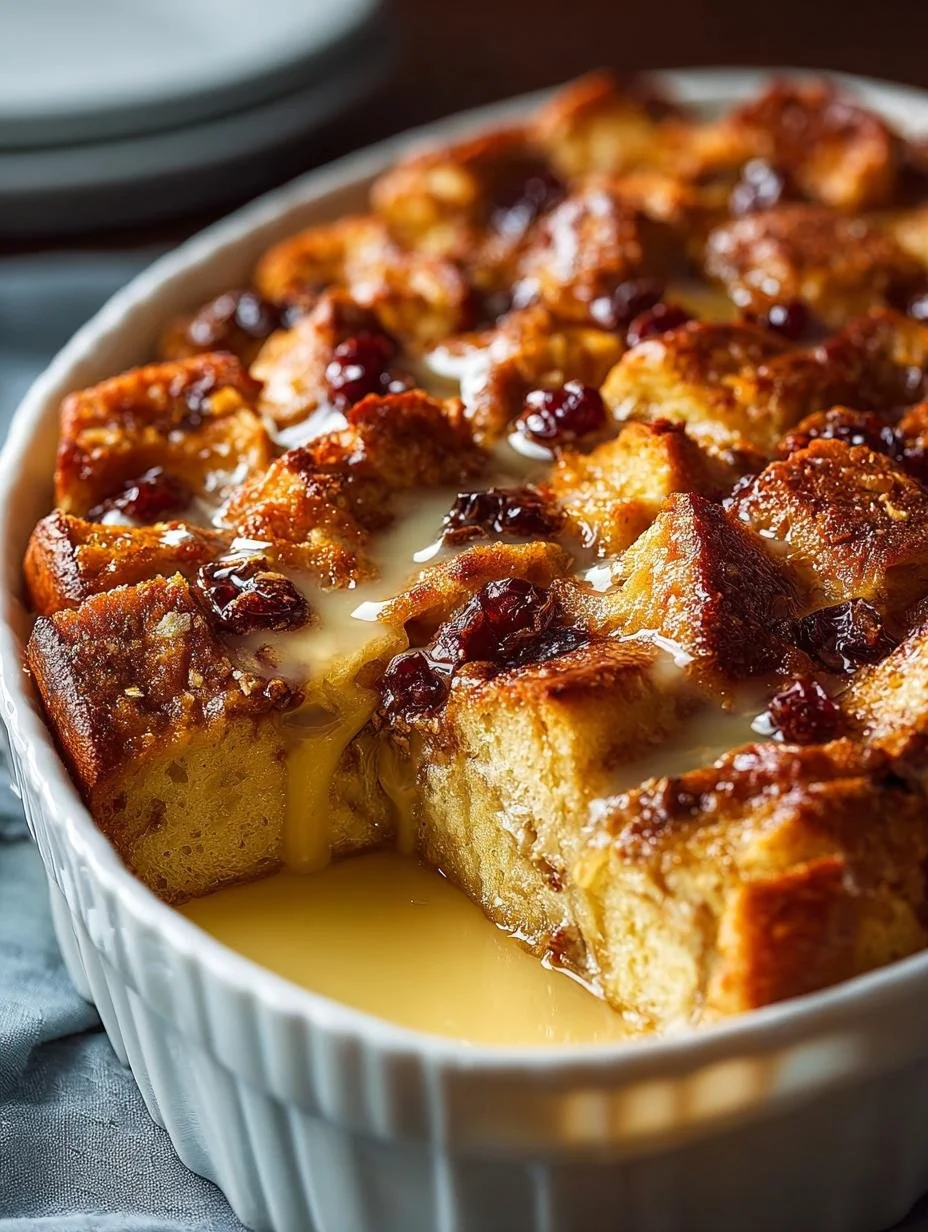
Traditional French Toast Casserole with Pecans guide
There are breakfasts that pass, and breakfasts that become rituals — the kind you plan for, look forward to, and talk about afterward. If you want that kind of dependable, show-stopping morning, this Traditional French Toast Casserole with Pecans guide will walk you from first principles to confident execution.
Read on and you’ll gain a clear understanding of what makes a great French toast casserole (not just a good recipe), practical steps for any skill level, advanced techniques for improved texture and flavor, and strategies for adapting, storing, and troubleshooting. This is designed as a reference you’ll return to when you want consistent, delicious results.
Background & Context
French toast in some form appears worldwide — stale bread revived with eggs and milk, fried or baked, sweet or savory. The casserole form is a practical American adaptation that turns an individual skillet dish into a communal, hands-off bake.
- Classic French Toast Casserole with Pecans history: The casserole evolved in the U.S. as families sought simple, make-ahead brunch options. It combines custardy slices of bread with a streusel or nut topping and bakes evenly in a pan.
- Authentic French Toast Casserole with Pecans origin: While French toast itself traces to medieval Europe (a way to repurpose bread), the pecan-topped casserole emerged where pecans were regionally available — especially the American South — pairing local nuts with accessible dairy and eggs.
- Cultural relevance: This casserole is a bridge between comfort food and practical entertaining. It’s served at holidays, potlucks, and weekend brunches. Its strengths are convenience, adaptability, and reliable crowd-pleasing texture.
Personal note: Over years of testing, I’ve seen the dish transform from soggy to sublime once cooks understand the two core goals: even custard absorption and a crunchy, flavorful topping.
Why This Approach Works
This guide emphasizes technique over strict rules. That matters because small shifts — in bread choice, soaking time, oven temperature, or nut treatment — create big differences.
Benefits explained:
- Predictability: Follow the process and you’ll get consistent custard penetration and a uniform bake.
- Flexibility: The casserole framework accepts many substitutions without collapse.
- Time-efficiency: Make-ahead and overnight options let flavors develop and free you to focus on garnishes or sides.
- Accessibility: You don’t need professional tools. Simple bowls, a baking dish, and an oven are enough.
Addressing common doubts:
- “Isn’t a casserole just lazy?” Not when it optimizes texture. The baking environment yields an even, set custard that’s hard to achieve on a skillet, especially for many servings.
- “Won’t the pecans get soggy?” Toasting and protecting them with a streusel or glaze preserves crunch, which we’ll show you how to do.
Core Concepts Explained
Understanding the elements helps you troubleshoot and customize without fear.
- Bread selection and preparation
- Concept: Bread is the skeleton that absorbs custard. Size, crumb, and freshness (or staleness) matter.
- Examples: Dense challah and brioche soak well and give a rich result. Day-old bakery bread or slightly stale slices hold structure better than fresh sandwich bread.
- Alternatives: For a lighter bake, use French bread or sourdough; for very rich texture, use croissants.
- Custard ratio and consistency
- Concept: Eggs provide structure and richness; milk (or cream) dilutes and softens. Sugar and extracts add flavor but can affect browning.
- Rule of thumb: 1 large egg per 1/2 cup of dairy generally yields a set but tender custard in casserole form.
- Simplification: For a 9×13 pan, aim for 6–8 eggs with 3–4 cups dairy depending on how custardy you like it.
- Soaking/Rest time
- Concept: The custard must penetrate bread without turning it to mush.
- Examples:
- Quick-start (30–45 minutes) for fresh firm bread.
- Overnight soak (6–12 hours) for deeper flavor and hands-off mornings.
- Tip: Pressing the bread down gently helps distribute custard evenly.
- Pecan handling
- Concept: Pecans add texture and flavor; to maximize both, toast them and combine with a binder (butter, brown sugar) to create a crunchy topping.
- Substitutions: Walnuts, almonds, or sunflower seeds for nut-free households (use toasted seeds).
- Spices & aromatics
- Concept: Cinnamon, nutmeg, and vanilla are classic, but balance matters. Pecan oils are delicate — a touch of citrus zest brightens the flavor.
- Example: 1–2 teaspoons cinnamon and a pinch of nutmeg per 9×13 pan is a reliable starting point.
Tools, Resources, or Foundations
Essentials:
- 9×13 baking dish (glass or metal)
- Mixing bowls (one for custard, one for topping)
- Whisk and spatula
- Oven thermometer (optional, but very useful)
- Baking sheet for toasting pecans
Optional enhancements:
- Kitchen scale for precise ratios
- Immersion blender for silky custard
- Instant-read thermometer for setting verification
Budget-friendly alternatives:
- Use a hand whisk instead of an immersion blender.
- Substitute a metal pan if you don’t have glass — adjust baking time slightly.
- Recycle day-old bread from a bakery for free or low cost.
Brief commentary:
The difference between an okay and great bake often comes from small, inexpensive tools — an oven thermometer and a good whisk beat expensive gadgets.
Step-by-Step Process
Below is a reliable step-by-step process for a 9×13 Traditional French Toast Casserole with Pecans. Adjust servings proportionally for other pan sizes.
Estimated total time: 1 hour active, + optional 6–12 hours overnight soak.
H3 Step 1 — Prep and toast pecans (10–12 minutes)
- Preheat oven to 350°F (175°C).
- Spread pecans on a baking sheet; toast 6–8 minutes until fragrant, shaking once.
- Chop roughly and set aside.
Pro tip: Toast in the oven rather than on the stovetop for even results when making large batches.
H3 Step 2 — Cut and arrange bread (5–10 minutes)
- Cube or slice bread into bite-sized pieces.
- Layer evenly in the baking dish, pressing gently to create an even surface.
- If using brioche or challah, slightly larger cubes (1–1.5 inches) maintain structure.
H3 Step 3 — Make the custard (5 minutes)
- Whisk eggs, dairy (milk, half-and-half, or cream), sugar, vanilla, cinnamon, and salt until smooth.
- Optional: Add a tablespoon of bourbon or orange zest for complexity.
Time estimate: 5 minutes.
Pro tip: Warm the dairy slightly (not hot) before mixing for smoother integration.
H3 Step 4 — Combine and soak (2–5 minutes active, plus soak time)
- Pour custard evenly over bread; press pieces down gently to soak.
- Choose soak timing:
- Quick: 30–45 minutes at room temp.
- Overnight: Cover and refrigerate 6–12 hours (best for make-ahead).
Common mistake: Baking immediately can leave dry pockets; ensure at least 30 minutes of contact.
H3 Step 5 — Make pecan topping and assemble (5 minutes)
- Mix toasted pecans with melted butter, brown sugar, cinnamon, and optional oats for texture.
- Sprinkle evenly over the soaked bread.
Pro tip: Reserve a few pecan halves for garnish after baking for visual appeal.
H3 Step 6 — Bake (40–50 minutes)
- Bake at 350°F (175°C) until custard sets and top is golden brown.
- Check doneness: center should be set but slightly jiggly; internal temp around 160–165°F is ideal.
Common mistake: Overbaking dries the casserole; underbaking leaves a raw center.
H3 Step 7 — Rest and finish (10 minutes)
- Let the casserole rest 10–15 minutes to firm up for cleaner slices.
- Finish with powdered sugar, maple syrup, or a warm caramel drizzle.
Common mistakes + how to avoid them:
- Soggy topping: Toast pecans and combine with butter/sugar binder.
- Uneven bake: Use an oven thermometer; rotate pan halfway if your oven has hot spots.
- Bland flavor: Add a pinch of salt and a touch of citrus zest to brighten.
Expert Techniques & Insights
- Layering by density: Alternate richer bread (brioche) and lighter pieces. Richer pieces absorb more custard and contribute to creamy pockets.
- Custard infusion: Steep whole spices (cinnamon stick, vanilla bean) in warmed dairy for 15 minutes, then cool and use. This creates deeper, more integrated flavor.
- Browning control: If top is browning too fast, tent loosely with foil for the final 10–15 minutes.
- Crisp return: To revive leftover casserole, re-toast in a 375°F oven for 8–10 minutes; add a fresh pat of butter or glaze to refresh crispness.
- Textural contrast: Fold a small amount of grated apple or pear into the custard layer for a moist fruit element that contrasts with pecan crunch.
Variations & Adaptations
Different contexts or use cases:
- Holiday brunch: Add sliced apples, dried cherries, or a bourbon-maple glaze.
- Weeknight family dinner: Make individual ramelet versions for portion control.
- Dietary adaptations:
- Gluten-free: Use gluten-free brioche or day-old gluten-free bread with slightly less soak time.
- Dairy-free: Substitute full-fat coconut milk or almond milk; increase eggs slightly for structure.
- Nut-free: Replace pecans with toasted oats mixed with brown sugar and butter or seed blends.
Skill-level adaptations:
- Beginner: Use a straightforward custard and pre-toasted pecans; skip the infusion step.
- Intermediate: Try overnight soak and a streusel with oats.
- Advanced: Infuse dairy, use laminated dough (croissants), or brulee the topping for a caramel shell.
Cultural flexibility:
- Latin twist: Add cinnamon, orange zest, and chopped toasted piloncillo.
- Southern style: Use sorghum syrup instead of maple, and add a pinch of allspice.
Analysis & Benefits Breakdown
Here’s a structured comparison of common choices and their effects.
| Choice | Effect on Texture | Flavor Impact | Ease |
|—|—:|—|—:|
| Brioche / Challah | Rich, custardy pockets; holds shape | Buttery, slightly sweet | Moderate |
| Sturdy French bread | Denser, more uniform set | Mild, supports toppings | Easy |
| Overnight soak | Deep penetration, complex flavor | Better melded spices | Requires planning |
| 30–45 min soak | Faster, good for fresh bread | Lighter flavor absorption | Flexible |
| Toasted pecans + butter binder | Crunchy, caramelized topping | Nutty, brown-sugar notes | Easy |
| Raw pecans | Softer, oilier | Subtle nut flavor | Not recommended |
Strengths:
- Scales easily for large groups.
- Strong make-ahead potential.
Limitations: - Requires timing if serving hot.
- Custard ratios need attention to avoid drying or sogginess.
Preparation, Retention & Long-Term Use
How to prepare effectively:
- Plan overnight when possible: assemble the night before, refrigerate, and bake in the morning.
- Keep ingredients measured and pre-toasted nuts in sealed jars.
Retention or reuse strategies:
- Refrigeration: Store baked casserole covered for up to 3 days.
- Freezing pre-baked: Wrap tightly and freeze for up to 1 month. Reheat covered at 350°F until warmed through.
- Freezing unbaked: Assemble in a foil pan, wrap well, and freeze. Thaw overnight in the fridge before baking; add 10–15 minutes to baking time.
Longevity of the skill:
- Once you internalize custard ratios and soak times, adapting the casserole becomes intuitive. The technique transfers to bread puddings, strata, and savory bakes.
Troubleshooting & Common Problems
Problem → Cause → Solution
- Soggy center → Underbaked or too much dairy relative to eggs → Increase eggs slightly or bake longer at slightly lower temp; check internal temp 160–165°F.
- Dry, crumbly texture → Overbaked or not enough custard soaked in → Reduce bake time, increase soak time, or add a tablespoon or two of cream to custard next time.
- Topping lost crunch after sitting → Pecans added raw or moist environment → Toast pecans and combine with a butter/sugar binder; add topping after reheating when serving leftovers.
- Uneven browning → Oven hot spots or incorrect rack placement → Rotate pan halfway; use center rack; use oven thermometer.
- Bland flavor → Too little salt or neglected aromatics → Add a pinch of salt, vanilla, and citrus zest to brighten flavors.
Each of these solutions aims to maintain texture contrast and flavor balance — the defining feature of a successful casserole.
FAQ
- How long can I soak the casserole overnight?
- Up to 12 hours in the refrigerator is optimal. Beyond that, bread can become overly saturated and start to fall apart.
- Can I make this dairy-free?
- Yes. Use full-fat coconut milk or a rich plant milk; increase eggs slightly for structure or add 1–2 tablespoons of cornstarch for stability.
- What’s the best bread for a custardy vs. cake-like result?
- For custardy pockets, use brioche or challah. For a more uniform, cake-like set, use French bread or sourdough.
- Can I assemble the night before and bake in the morning without adjusting the recipe?
- Yes. Cover and refrigerate. If adding a streusel, add it right before baking to keep it crisp.
- How do I reheat leftovers without losing the topping crunch?
- Reheat in a 350°F oven uncovered for 8–12 minutes; if topping softens, crisp separately in a skillet and sprinkle on before serving.
- Can I use store-bought pecan pie filling as a shortcut?
- It will add sweetness but can make the topping overly sticky and soft. Toast and mix plain pecans with butter and brown sugar for best texture.
- Is it safe to serve the casserole warm if it has alcohol in it?
- Alcohol burns off most quickly in high heat, but some residual flavor remains. It’s safe; avoid using alcohol if serving to children who shouldn’t consume it.
- How do I scale the recipe for a crowd?
- Double the 9×13 quantities for a large hotel pan; adjust bake time and check doneness with an internal thermometer.
Related Topics & Next Steps
If this guide resonated, consider exploring:
- Classic bread puddings and savory strata techniques.
- Knife skills for uniform bread cubes.
- Flavor layering: infusing dairy, making candied pecans, and building syrups.
Practical next steps:
- Try the basic 9×13 recipe once, then experiment with one variation (e.g., citrus zest or apples) the next time.
- Practice toasting nuts and making a quick streusel — these skills transfer to many desserts.
Quick Reference Summary
- Bread: Day-old brioche or challah for richest results.
- Custard: Roughly 1 egg per 1/2 cup dairy; 6–8 eggs + 3–4 cups dairy for 9×13.
- Soak: 30–45 min quick; 6–12 hours overnight for best flavor.
- Pecans: Toast first; combine with butter/brown sugar for crunch.
- Bake: 350°F for 40–50 minutes; internal temp ~160–165°F.
- Rest: 10–15 minutes before slicing.
Conclusion
You now have a full Traditional French Toast Casserole with Pecans guide that moves from the origins and rationale to step-by-step execution and advanced refinements. Use this as a living reference: test one variable at a time, record changes, and adopt the techniques that suit your taste and schedule. If you want recipe inspiration or visual guides for variations, see the helpful recipe examples at Overnight Cinnamon Pecan French Toast Casserole – Creme De La … and a lighter take at French Toast Casserole Recipe – Love and Lemons.
If you’d like, I can:
- Convert this into a reusable system prompt.
- Adapt it into a step-by-step printable recipe card.
- Create a test plan for practicing techniques (toasting, soaking, baking) with measurable outcomes.
Which would be most helpful for your next cooking session?
Print
Traditional French Toast Casserole with Pecans
- Total Time: 65 minutes
- Yield: 8 servings 1x
- Diet: Vegetarian
Description
A rich and custardy breakfast casserole made with bread and topped with crunchy toasted pecans, perfect for gatherings.
Ingredients
- 1 loaf of day-old brioche or challah, cubed
- 6–8 large eggs
- 3–4 cups milk or half-and-half
- 1 cup brown sugar
- 1 tablespoon vanilla extract
- 1 teaspoon cinnamon
- 1/2 teaspoon salt
- 1 cup pecans, toasted and chopped
- 1/4 cup melted butter
- Optional: 1 tablespoon bourbon or zest of 1 orange
Instructions
- Preheat oven to 350°F (175°C) and toast pecans for 6-8 minutes until fragrant. Chop and set aside.
- Cube the bread and layer evenly in a 9×13 baking dish, pressing gently.
- In a bowl, whisk together eggs, milk, sugar, vanilla, cinnamon, and salt until smooth.
- Pour custard over the bread and press down gently to soak. Soak for 30-45 minutes at room temperature or overnight in the refrigerator.
- Mix toasted pecans with melted butter and brown sugar, then sprinkle over the soaked bread.
- Bake for 40-50 minutes until the custard is set and the top is golden brown.
- Let the casserole rest for 10-15 minutes before serving with powdered sugar or syrup.
Notes
For best flavor, let the casserole soak overnight. Adjust baking time if using a different pan size.
- Prep Time: 15 minutes
- Cook Time: 50 minutes
- Category: Breakfast
- Method: Baking
- Cuisine: American
Nutrition
- Serving Size: 1 serving
- Calories: 400
- Sugar: 15g
- Sodium: 300mg
- Fat: 20g
- Saturated Fat: 8g
- Unsaturated Fat: 10g
- Trans Fat: 0g
- Carbohydrates: 45g
- Fiber: 2g
- Protein: 10g
- Cholesterol: 150mg