
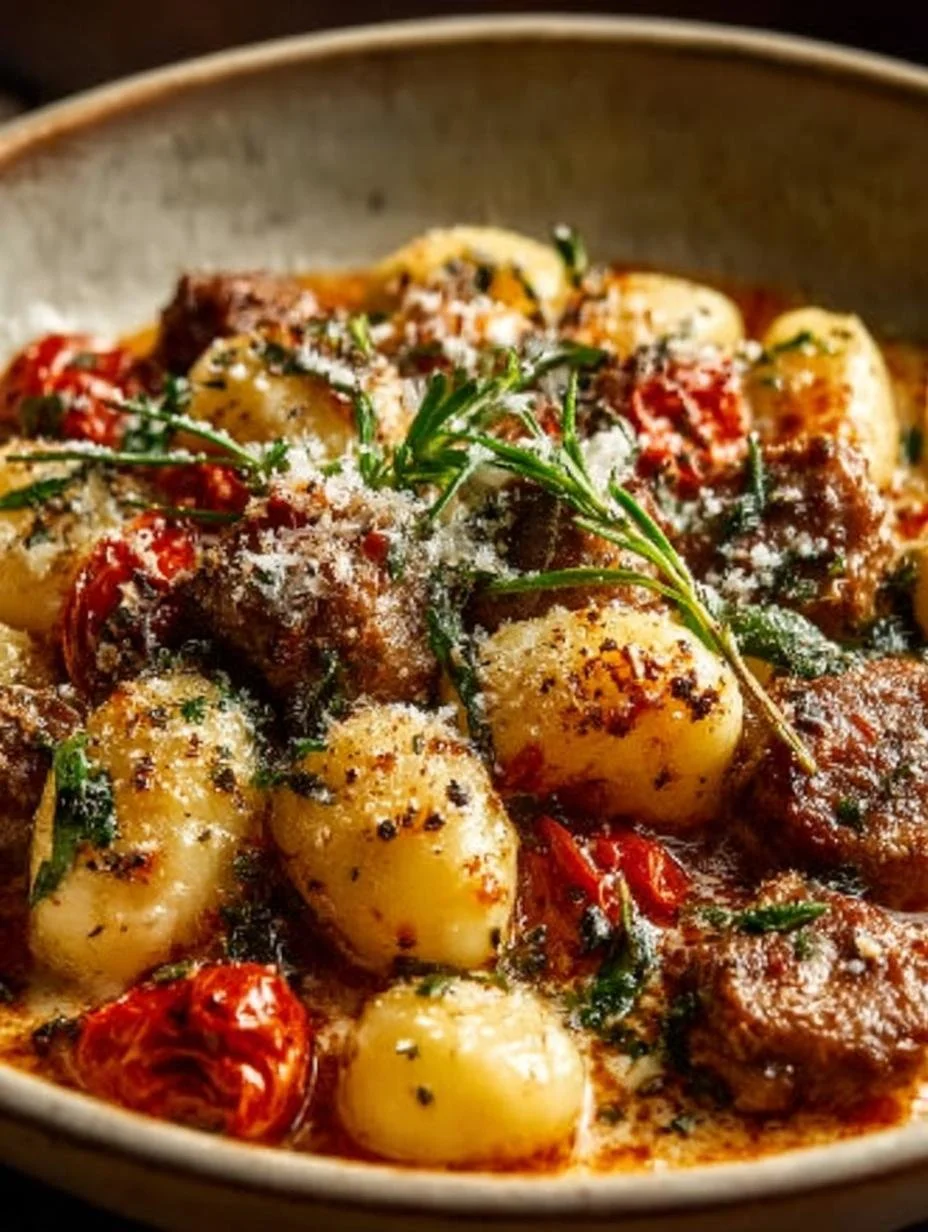
Traditional Creamy Italian Sausage Gnocchi guide
A warm, pillowy forkful of gnocchi bathed in a rich, savory cream sauce and flecked with browned Italian sausage is one of those dishes that feels both indulgent and deeply comforting. This Traditional Creamy Italian Sausage Gnocchi guide walks you from the fundamentals to skilled finishes so you can make, troubleshoot, and confidently adapt the recipe for any dinner night.
By the end of this guide you will:
- Understand the components and history behind the dish.
- Be able to make a reliable version from scratch or adapt high-quality shortcuts.
- Know how to avoid common errors and refine texture and flavor.
- Have advanced tips and variations to scale, store, and personalize the dish.
Read on whether you’re a beginner who’s never touched potato dough or an experienced cook wanting to refine technique.
Background & Context
Gnocchi — small dumplings typically made from potato, flour, and egg — have roots that ripple across Italian regional cooking. The concept of dough-based dumplings exists across Italy, but the potato gnocchi most of us recognize became common after potatoes were introduced to Europe in the 16th century.
The pairing of gnocchi with creamy sauces and hearty cured or fresh meats is also regional. In northern and central Italy, richer sauces with cream, butter, and cheese are common, while southern traditions emphasize tomato and olive oil. The specific combination of creamy sauce and Italian sausage is a modern, household-friendly adaptation that balances comfort with savory depth.
If you want to explore the Authentic Creamy Italian Sausage Gnocchi origin and Classic Creamy Italian Sausage Gnocchi history more deeply, it helps to look at both peasant menus (where gnocchi were a way to stretch ingredients) and the evolution of charcuterie and dairy in different regions.
Personal note: in many home kitchens this dish is prized because it’s fast to prep yet feels special — ideal for families, weeknight dinners, and small gatherings.
Why This Approach Works
This guide emphasizes technique over prescription. You’ll learn why each step exists, not just how to follow it.
Benefits:
- Predictable results: know how to adjust for humidity, potato moisture, and flour type.
- Flexible: choose from fully homemade to partly prepped options without losing quality.
- Time-efficient: methods include one-pan or skillet finishes that reduce dishes.
Common doubts addressed:
- “Do I need to make gnocchi from scratch?” No — good store-bought or frozen gnocchi can be a smart shortcut when paired with a well-made sauce.
- “Will a creamy sauce be too heavy?” Not if you control emulsion and seasoning; acidity (lemon or wine) and herbs keep it balanced.
- “Is this only for experienced cooks?” No — beginners can follow the step-by-step, and intermediate cooks will find places to refine technique.
Core Concepts Explained
Break this dish into its logical parts: the gnocchi, the sausage, the sauce, and the finishing.
- Gnocchi fundamentals: texture depends on potato variety (starchy ones like Russet are best), dryness, the amount of flour, and gentle handling. Overworking makes heavy, dense gnocchi.
- Sausage role: Italian sausage (sweet or hot) provides fat, seasoning, and texture. The breakdown of meat into small crumbles spreads flavor through the sauce.
- Cream sauce mechanics: cream emulsifies with rendered fat and a touch of starchy cooking water to cling to gnocchi. Reduction concentrates flavor; cream thickness determines body.
- Cheese and acidity: Parmigiano-Reggiano or Pecorino add umami and salt. Acid (wine, lemon, tomato paste) cuts richness.
Alternatives and substitutions:
- Potato gnocchi → ricotta gnocchi (lighter, fewer potatoes) or store-bought potato gnocchi.
- Heavy cream → half-and-half + cornstarch for lower-fat thickening.
- Italian sausage → ground pork mixed with fennel and red pepper flakes, or a vegetarian sausage alternative.
Use example: If you swap store-bought gnocchi for homemade, reduce sauce reduction time because homemade gnocchi often cooks faster and can absorb more sauce.
Tools, Resources, or Foundations
Essentials:
- Large pot for boiling gnocchi.
- Heavy skillet (cast iron or stainless) for browning sausage.
- Slotted spoon for transferring gnocchi.
- Microplane or fine grater for cheese.
- Measuring cups and a bench scraper for gnocchi work.
Optional enhancements:
- Ricer for fluffy potatoes (makes light gnocchi).
- Gnocchi board or fork for ridging (more sauce adherence).
- Immersion blender for silky sauces.
Budget-friendly or beginner alternatives:
- Skip a ricer: mash potatoes well and dry in a warm oven briefly.
- Use store-bought gnocchi when learning to focus on sausage and sauce technique.
- Swap Parmigiano for a lower-cost aged hard cheese in a pinch (though flavor will differ).
Commentary on usefulness:
Investing in a good skillet and a ricer pays off across many recipes; both shave time and increase control.
Step-by-Step Process
This section covers three main paths: beginner (store-bought gnocchi), intermediate (homemade gnocchi), and advanced (from-scratch + refined sauce). Each path includes time estimates and common mistakes.
Preparation estimate summary:
- Beginner path: 25–35 minutes.
- Intermediate (homemade gnocchi): 1.5–2 hours (includes potato baking/cooling).
- Advanced: 2–3 hours including resting, shaping, and multi-step sauce reduction.
Step 1 — Prep your mise en place (10–15 minutes)
Have all ingredients measured and ready: sausage, onions/shallots, garlic, cream, cheese, herbs, potatoes or gnocchi, salt, pepper, and optional wine/tomato paste.
Why it matters: Cream sauces and gnocchi cook quickly; having everything ready prevents overcooking or burnt garlic.
Step 2 — Make or prepare gnocchi
Beginner: use high-quality store-bought gnocchi.
- Boil in well-salted water; cook until they float plus 30–60 seconds.
- Drain with a slotted spoon and set aside in a bowl with a little olive oil to prevent sticking.
Intermediate/Advanced: homemade potato gnocchi (overview)
- Bake or boil Russet potatoes until tender. Baking reduces moisture and concentrates starch.
- While hot, peel and pass through a ricer onto a work surface. Let steam off briefly.
- Add a small beaten egg and salt, then sprinkle flour. Fold gently until a soft dough forms.
- Divide into ropes, cut into bite-sized pieces, and roll on a fork or board for ridges.
- Cook in salted boiling water until they float; remove with a slotted spoon.
Common mistakes:
- Over-flouring creates dense gnocchi. Aim for the least flour needed for workable dough.
- Working dough too long activates gluten — keep it short and gentle.
Pro tip: If dough is sticky, chill 10–15 minutes instead of adding lots of extra flour.
Step 3 — Brown the sausage (8–12 minutes)
- Heat your skillet over medium-high. Add a splash of oil only if the sausage is very lean.
- Crumble and brown until deeply caramelized. Remove most fat if excessively greasy, but reserve 1–2 tablespoons for flavor.
Why it matters: Maillard browning on the sausage gives savory depth; don’t rush it.
Pro tip: For extra complexity, brown sliced mushrooms or diced pancetta with the sausage.
Step 4 — Build the sauce (10–15 minutes)
- Sauté onions/shallots in the reserved fat until translucent.
- Add garlic, then deglaze with a splash of dry white wine or a tablespoon of tomato paste for color and acidity.
- Reduce slightly, then add cream. Bring to a gentle simmer and reduce to thicken.
- Add grated cheese off the heat to prevent graininess; stir until melted and smooth. If sauce looks thin, add a small ladle of gnocchi cooking water to emulsify.
Why this works: Starches in the gnocchi water help the cream bind and cling to the dumplings.
Common mistakes:
- Boiling the cream causes separation. Keep it at a simmer and reduce gradually.
- Adding cheese over high heat makes it clump; remove from heat first.
Step 5 — Assemble and finish (3–5 minutes)
- Fold gnocchi and sausage into the sauce in the skillet. Toss gently to coat.
- Finish with fresh herbs (sage, parsley, or thyme) and a squeeze of lemon if desired.
- Taste and adjust salt and pepper. Serve immediately with extra cheese.
Pro tips:
- Toss in a knob of butter at the end for silky sheen.
- If you like a baked finish, transfer to a gratin dish, top with extra cheese, and broil briefly for a golden crust.
Expert Techniques & Insights
- Control moisture from the start: Bake potatoes for less watery gnocchi; cool them uncovered to let steam escape.
- Use a higher cheese-to-cream ratio for richness without needing more cream.
- Reduce the cream slightly before adding cheese. That concentrates flavor and stabilizes the sauce.
- Finish with acid: a teaspoon of lemon juice or a tablespoon of aged balsamic can lift the dish without making it tangy.
- Temperature management: keep the sauce warm but off high heat when mounting cheese to prevent breakage.
- Texture layering: add toasted breadcrumbs or fried sage leaves at the end for contrast.
Lessons from experience:
- Too much flour in gnocchi is the most common route to disappointment. Practice shaping with minimal flour.
- Sausage quality dramatically affects outcome — choose a flavorful, balanced link for the best results.
Variations & Adaptations
Different contexts or dietary needs call for flexibility.
- Quick weeknight: use store-bought gnocchi and pre-cooked sausage; finish in a skillet with cream and cheese.
- Vegetarian: replace sausage with roasted mushrooms, crumbled tempeh seasoned with fennel and smoked paprika, or store-bought vegetarian sausage.
- Spicy: use hot Italian sausage or add Calabrian chili paste.
- Tomato-cream hybrid: add a few tablespoons of tomato paste or crushed tomatoes for brightness.
- One-pan adaptation: brown sausage, remove, cook gnocchi briefly in the skillet with stock, then add cream and cheese for a minimal-dish method.
Skill-level adaptations:
- Beginner: buy gnocchi, focus on sauce.
- Intermediate: make gnocchi, refine sauce balance.
- Advanced: make gnocchi, sausage from scratch (hand-mixed pork with fennel), and double-reduction sauce with finishing butter and micro-herbs.
Analysis & Benefits Breakdown
Below is a comparative view of common approaches to this dish to help you choose a path based on time, cost, and outcome.
| Method | Time | Skill | Flavor Depth | Cost | Best Use |
|—|—:|—:|—:|—:|—|
| Store-bought gnocchi + made sauce | 25–35 min | Low | Good | Low | Weeknights, beginners |
| Homemade gnocchi + canned cream sauce | 60–90 min | Medium | High (texture) | Medium | Weekend cooking, learning technique |
| From-scratch everything (sausage + gnocchi + sauce) | 2–3 hrs | High | Very High | Medium–High | Entertaining, mastery |
Strengths and limitations:
- Store-bought gnocchi saves time but can vary in quality.
- Homemade gnocchi rewards technique and texture but takes patience.
- Full scratch offers the greatest complexity but requires more planning.
Preparation, Retention & Long-Term Use
How to prepare effectively:
- Make potatoes a day ahead. Bake, peel, wrap, and refrigerate. They’ll be easier to process.
- Par-cook gnocchi and freeze on a tray before bagging for quick meals.
Retention or reuse strategies:
- Freeze raw gnocchi on parchment-lined trays. Once frozen, transfer to bags. Cook from frozen — add an extra 30–60 seconds.
- Freeze sauce in portioned containers. Reheat gently and add a splash of cream or water to restore texture.
Longevity of knowledge:
- Once you’ve made gnocchi a few times, you’ll intuitively judge dough stiffness and flour needs.
- Learning to balance the cream with acidity and cheese will translate to many pasta and sauce dishes.
Troubleshooting & Common Problems
Problem → Cause → Solution
- Dense, heavy gnocchi → Too much flour or overworked dough → Use less flour, handle dough gently; chill if sticky.
- Gnocchi fall apart in water → Dough too wet or not enough binding → Add a small amount of extra flour, or reduce water content in potatoes.
- Grainy sauce after adding cheese → High heat or acid added at wrong time → Remove from heat before adding cheese; add a splash of gnocchi water to smooth.
- Sauce too thin → Not reduced enough or too much liquid added → Simmer to concentrate, or whisk in a cornstarch slurry (small amount).
- Too rich/greasy → Too much sausage fat → Drain excess fat, add acidity (wine or lemon), and fresh herbs.
- Sticking gnocchi → Overcrowded pot or not enough salt → Cook in batches, add oil briefly after draining or toss gently in butter.
Tone: these problems are common and fixable. Treat them as data points to refine your approach.
FAQ Section
Q: Do I need to peel potatoes before making gnocchi?
A: For best texture, bake or boil with skins on and peel while hot. Passing through a ricer or mashing without skins yields better, less waterlogged dough.
Q: Can I use sweet Italian sausage?
A: Yes. Sweet sausage offers a milder, fennel-forward flavor. Substitute hot sausage for spice, or mix both.
Q: How long can gnocchi sit before cooking?
A: Fresh gnocchi can sit on a lightly floured tray for 30–60 minutes. For longer storage, freeze on a tray then bag.
Q: What cream should I use?
A: Heavy cream or double cream gives the richest sauce. For lighter options, use half-and-half and thicken with a small cornstarch slurry.
Q: Can I make this gluten-free?
A: Yes, use gluten-free flour blends for the gnocchi and check processed ingredients in sausage. Texture will differ; consider adding a xanthan binder if needed.
Q: Why add cheese off the heat?
A: Cheese added to too-hot liquid can clump. Removing from heat and stirring in cheese produces a smoother emulsion.
Q: How do I keep gnocchi from falling apart when browning?
A: Boil and drain them gently. Pan-fry briefly with a little butter or oil to crisp surfaces; avoid tossing constantly or overcooking.
Q: Is it okay to double the recipe?
A: Yes, but consider cooking gnocchi in batches and finishing sauce in a larger pan to avoid overcrowding and cooling.
Related Topics & Next Steps
If you enjoyed this guide, the following topics deepen adjacent skills:
- Ricotta gnocchi technique for lighter dumplings.
- Homemade Italian sausage seasoning blends.
- Emulsified cream sauces vs beurre monté techniques.
- Sautéing and browning fundamentals for maximized Maillard flavor.
Next practical steps:
- Try a beginner version this week with store-bought gnocchi and focus on sauce balance.
- Make a small test batch of gnocchi to feel dough consistency and adjust flour usage.
- Keep notes on flour amounts, potato types, and cooking times to build a personal recipe.
Quick Reference Summary
- Use starchy potatoes (Russet), limit flour, and handle dough minimally.
- Brown sausage well for depth; reserve some fat for the sauce.
- Reduce cream gently; add cheese off the heat and use gnocchi water to finish.
- For speed: buy gnocchi and focus on perfecting the sausage-sauce base.
- For texture mastery: bake potatoes, rice while hot, and work quickly with minimal flour.
- Store: freeze raw gnocchi on trays; freeze sauce in portions.
Conclusion
You now have a comprehensive Traditional Creamy Italian Sausage Gnocchi guide that spans history, technique, troubleshooting, and variations. Use this as a living reference: try the beginner path, then progress to homemade gnocchi when you’re comfortable. If you want practical examples and visual recipes to compare method and plating, two helpful recipe pages to review are the One Pan Creamy Gnocchi with Sausage • Salt & Lavender and the Creamy Gnocchi Recipe with Italian Sausage • Kroll’s Korner. Both show usable one-pan approaches and ingredient proportions that complement the techniques outlined here.
Try one method, take notes, and iterate. When a dish this comforting becomes part of your repertoire, you’ll find small adjustments make it distinctly yours. If you’d like, I can convert this guide into a printable recipe card, a step-by-step video script, or a reusable system prompt for content creators. Which would you find most helpful next?
Print
Traditional Creamy Italian Sausage Gnocchi
- Total Time: 45 minutes
- Yield: 4 servings
- Diet: Carnivore
Description
A warm, pillowy forkful of gnocchi bathed in a rich, savory cream sauce with browned Italian sausage, perfect for cozy dinners.
Ingredients
- Potato gnocchi
- Italian sausage (sweet or hot)
- Onion or shallot
- Garlic
- Heavy cream
- Parmesan cheese
- Fresh herbs (sage, parsley, or thyme)
- Salt and pepper
- Olive oil
- Optional: white wine or tomato paste
Instructions
- Prep all ingredients: sausage, onions, garlic, cream, cheese, herbs, potatoes or gnocchi, salt, and pepper.
- For store-bought gnocchi: Boil in well-salted water until they float, then drain and toss with olive oil.
- For homemade gnocchi: Bake or boil potatoes and pass through a ricer, mixing with flour and egg to form dough, then cut into small pieces.
- Brown the Italian sausage in a skillet until caramelized, reserving a small amount of fat.
- Sauté onions in the reserved fat, add garlic, then deglaze with wine or tomato paste.
- Add cream to the skillet and simmer to thicken; incorporate cheese until melted.
- Fold the cooked gnocchi and sausage into the sauce, tossing gently to coat.
- Serve immediately, garnished with fresh herbs and additional cheese.
Notes
For a lighter version, substitute heavy cream with half-and-half mixed with cornstarch. Adjust seasoning and acidity with lemon or wine for a balanced flavor.
- Prep Time: 15 minutes
- Cook Time: 30 minutes
- Category: Main Course
- Method: Stovetop
- Cuisine: Italian
Nutrition
- Serving Size: 1 serving
- Calories: 400
- Sugar: 3g
- Sodium: 600mg
- Fat: 18g
- Saturated Fat: 8g
- Unsaturated Fat: 6g
- Trans Fat: 0g
- Carbohydrates: 45g
- Fiber: 2g
- Protein: 18g
- Cholesterol: 50mg