
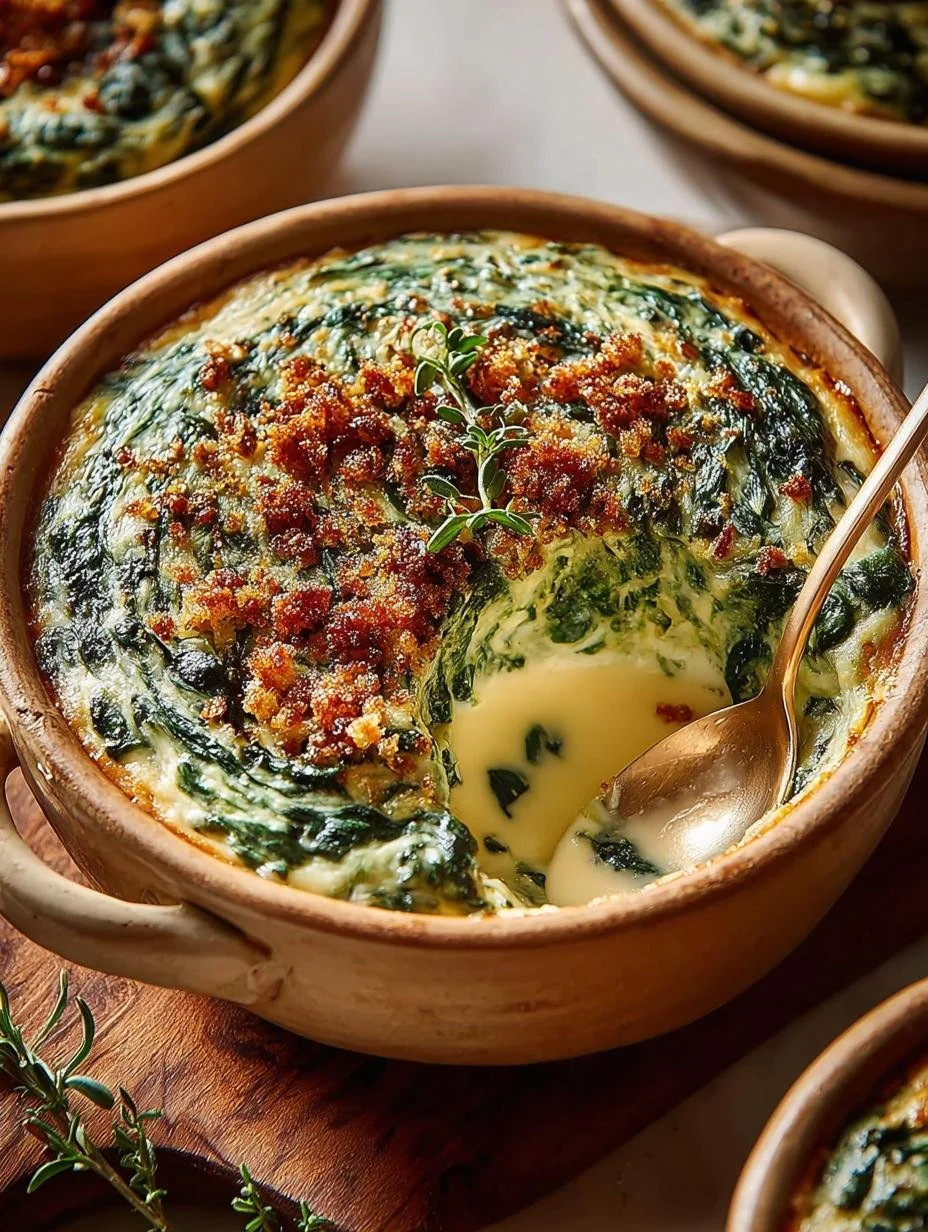
Traditional Creamed Spinach with Toasted Breadcrumbs guide
Creamed spinach is the kind of side dish that quietly elevates a meal — comforting, richly flavored, and endlessly adaptable. In this Traditional Creamed Spinach with Toasted Breadcrumbs guide, you’ll learn not just a reliable recipe but the why behind each technique so you can cook with confidence and creativity.
Read on and you’ll gain a clear, step-by-step method for making velvety creamed spinach with crisp toasted breadcrumbs, plus alternatives, troubleshooting, and advanced tips that let you tailor the dish to any occasion.
Background & Context
Creamed spinach has roots in simple European cooking traditions: leafy greens gently cooked and finished with dairy to create a silky sauce. Over time, cooks refined the approach using roux or béchamel, nutmeg, and cheeses to boost richness. The addition of toasted breadcrumbs is a practical, textural tradition that adds contrast and an appealing crunch.
When exploring the Authentic Creamed Spinach with Toasted Breadcrumbs origin, two threads converge: the classic French techniques for sauces (béchamel and roux) and the English/American tradition of hearty, comforting side dishes often paired with roast meats. Steakhouses adopted creamed spinach as a signature accompaniment, while home cooks added breadcrumbs and seasonings to make it more interesting and accessible.
Classic Creamed Spinach with Toasted Breadcrumbs history shows how a simple vegetable side became a canvas for technique. From farmhouse kitchens to restaurant plates, it represents both comfort and culinary technique — a dish that rewards attention to texture, seasoning, and balance.
Personal observation: when you first master moisture control and the balance between creaminess and crunch, creamed spinach becomes a dependable dish you’ll return to across seasons and menus.
Why This Approach Works
This guide emphasizes building blocks — blanching, moisture control, a stable cream base, and separate breadcrumb toasting — because each component solves a common problem.
- Blanching locks in color and reduces bitterness; it’s faster and cleaner than prolonged sautéing.
- Draining and squeezing spinach removes excess water, preventing a watery sauce.
- A proper roux or béchamel creates a stable emulsion that holds up when reheated.
- Toasted breadcrumbs applied at the end preserve crunch and add flavor without sogginess.
Accessibility: the method scales from a quick weeknight version using frozen spinach to a professional-level technique for dinner parties.
Flexibility: you can swap dairy types, breadcrumbs, and cheeses while maintaining the essential texture and flavor relationships.
Addressing doubts: if you worry that creamed spinach is fussy or too rich, this approach allows streamlined shortcuts (frozen spinach + cream) and lighter versions (milk + cornstarch thickening), while giving you the fundamentals to upgrade whenever you like.
Core Concepts Explained
Break the dish into logical components and understand their roles.
- Spinach quality and preparation
- Fresh vs frozen: Fresh gives brighter flavor and color; frozen is speed-friendly.
- Blanching vs sautéing: Blanching reduces bitterness and makes pressing moisture simpler.
- Moisture control
- Why it matters: Excess water dilutes the sauce and makes it grainy.
- How to manage: drain, squeeze, strain, or press through cheesecloth.
- Sauce base
- Roux + milk (béchamel): classic, stable, adaptable.
- Cream-only: faster, richer but less stable on reheating.
- Starch slurry: gluten-free shortcut using cornstarch or arrowroot.
- Flavour balance
- Salt, pepper, and acid (lemon) to brighten.
- Nutmeg: a small amount complements dairy.
- Cheese: Parmesan, Gruyère, or cheddar add depth.
- Textural contrast
- Toasted breadcrumbs (or panko) add crunch.
- Finish techniques: browned butter, crisped prosciutto, or fried garlic add complexity.
Alternatives and substitutions:
- Gluten-free breadcrumbs or crushed nuts for crunch.
- Non-dairy milks + cashew cream or silken tofu for vegan versions.
- Yogurt or crème fraîche for tangy, lighter textures.
Tools, Resources, or Foundations
Essentials:
- Large pot for blanching or boiling.
- Fine mesh strainer or colander.
- Large skillet for sauce and finishing.
- Heatproof bowl and slotted spoon.
- Microplane or grater for nutmeg/cheese.
- Wooden spoon and whisk.
Optional enhancements:
- Immersion blender or food processor to smooth the sauce.
- Ovenproof skillet or gratin dish if you want a browned top.
- Cheesecloth for pressing spinach.
Budget-friendly/beginner alternatives:
- Use frozen chopped spinach and a heavy-bottomed saucepan.
- Replace butter + flour with a cornstarch slurry for a quicker thickening method.
- Buy pre-made breadcrumbs or use toasted crushed crackers.
Commentary on usefulness:
- A modest investment in a few reliable tools (skillet, pot, whisk) yields a big return across many dishes.
- The skills practiced here — making a roux, controlling moisture, finishing with acid — transfer directly to sauces, soups, and gratins.
Step-by-Step Process
Total active time: ~30–45 minutes. Serves 4–6.
Overview:
- Prep spinach (blanching or thawing)
- Make sauce (béchamel or cream)
- Combine and finish
- Toast breadcrumbs and plate
Step 1 — Prep and blanch the spinach (10–12 minutes)
- Bring a large pot of salted water to a rolling boil.
- Add spinach in batches, blanching fresh leaves for 30–60 seconds until wilted and vibrant.
- Use a slotted spoon to move spinach to an ice bath to stop cooking.
- Drain thoroughly; squeeze in handfuls or press in a colander until almost dry.
Time estimate: 10–12 minutes including cooling.
Common mistakes + how to avoid:
- Mistake: Not cooling — results in overcooked, mushy leaves. Avoid by using an ice bath immediately.
- Mistake: Skipping the squeeze — leads to watery sauce. Squeeze or press until you remove most liquid.
Pro tip: If using frozen spinach, thaw in a bowl and squeeze by hand or press with a spatula; then reserve.
Step 2 — Make the sauce (béchamel method) (10–12 minutes)
- Melt 2 tablespoons butter in a saucepan over medium heat.
- Add 2 tablespoons all-purpose flour and whisk to create a blonde roux; cook 1–2 minutes without browning.
- Slowly whisk in 1 1/2 cups milk (warmed slightly) until smooth; simmer until thickened (2–4 minutes).
- Season with salt, white pepper, and a pinch of freshly grated nutmeg.
- Optionally stir in 1/4–1/2 cup grated Parmesan for flavor and stability.
Time estimate: 10–12 minutes.
Beginners: replace roux with 1 cup heavy cream heated until reduced by half (5–8 minutes) for a faster route.
Step 3 — Combine spinach and sauce (3–5 minutes)
- Chop drained spinach roughly and fold into the béchamel.
- Simmer gently for 2–3 minutes to let flavors marry.
- Taste and adjust salt, pepper, and a squeeze of lemon if the dish needs brightness.
Time estimate: 3–5 minutes.
Common mistakes:
- Mistake: Overcooking combined dish — it will lose vibrancy. Finish quickly and serve warm.
- Mistake: Too-salty cheese — taste sauce before adding cheese, then add with restraint.
Pro tip: For ultra-smooth texture, run mixture through an immersion blender for a few seconds, then reheat briefly.
Step 4 — Toast breadcrumbs and finish (5–8 minutes)
- Heat 1–2 tablespoons olive oil or butter in a small skillet over medium heat.
- Add 3/4 cup breadcrumbs (panko or fresh), stirring constantly until golden and crisp (2–4 minutes).
- Season with a pinch of salt and a bit of garlic powder or minced garlic if desired.
- Spoon creamed spinach into a serving dish and scatter toasted breadcrumbs on top.
Time estimate: 5–8 minutes.
Pro tip: For extra flavor, toast breadcrumbs in brown butter, or add finely chopped anchovy or lemon zest for a complex finish.
Expert Techniques & Insights
- Emulsion and stability: Use a proper blonde roux and warm milk to reduce the risk of separation. Cold dairy in a hot roux can cause lumps.
- Browning for flavor: Finish with brown butter (clarified or regular) to add nuttiness. Brown butter also helps breadcrumbs brown evenly.
- Texture control: Pulse in a food processor for a smoother mouthfeel. Leave some leaves intact to provide visual interest and a chew.
- Flavor layering: Add a teaspoon of Dijon mustard to the sauce for subtle tang and stability if you plan to bake or reheat.
- Heat management: Keep low-and-slow once combined. High heat breaks emulsions and can curdle the sauce.
- Make-ahead tip: Keep sauce and spinach separate in the fridge. Recombine and warm gently; add breadcrumbs at serving time.
Lessons learned from experience:
- Always taste at three points: after making the sauce, after adding spinach, and before serving. Salt and acid adjustments are more nuanced once everything is combined.
- Toasted breadcrumbs are best prepared last minute. If you must make them earlier, re-crisp in a hot oven for a few minutes.
Variations & Adaptations
Different contexts or use cases:
- Gratin: Transfer combined spinach to an ovenproof dish, top with cheese and breadcrumbs, and broil until golden.
- Steakhouse-style: Add a splash of cream and extra butter, serving alongside grilled steak.
- Healthy/light: Use low-fat milk and a cornstarch slurry instead of butter and flour.
- Vegan: Use olive oil or vegan butter for roux, plant-based milk thickened with pureed cashews or cornstarch, and nutritional yeast for umami.
- Gluten-free: Make a slurry with cornstarch and cold milk, or use gluten-free flour and GF breadcrumbs.
Skill-level adaptations:
- Beginner: Frozen spinach + heavy cream + store-bought breadcrumbs = fast and reliable.
- Intermediate: Fresh spinach + béchamel + Parmesan + homemade breadcrumbs.
- Advanced: Use preserved lemon, anchovy butter, and a dash of sherry or Madeira for an upscale finish.
Cultural flexibility:
- Mediterranean twist: Add lemon zest, feta, and toasted pine nuts.
- Middle Eastern: Stir in a touch of yogurt and top with toasted za’atar breadcrumbs.
- Italian: Include garlic, nutmeg, and Pecorino Romano, finish with toasted panko.
Analysis & Benefits Breakdown
A comparative table summarizing strengths, limitations, and considerations:
| Element | Strengths | Limitations | Considerations |
|—|—:|—|—|
| Fresh spinach + blanching | Bright color, fresh flavor | More prep time | Best for presentation and flavor intensity |
| Frozen spinach | Fast, consistent | Can be watery, less texture | Squeeze thoroughly; great for weeknights |
| Béchamel (roux + milk) | Stable, classic texture | Requires technique | Best for reheating and baking |
| Cream-only method | Fast, very rich | Less stable on reheat | Good for immediate service |
| Toasted breadcrumbs | Adds crunch, visual contrast | Loses crispness if made early | Toast right before serving |
| Cheese (Parmesan/Gruyère) | Adds umami and stability | Can make dish salty | Add incrementally, taste as you go |
Takeaway: Choosing the right combination depends on time, audience, and whether you need make-ahead flexibility.
Preparation, Retention & Long-Term Use
How to prepare effectively:
- Mise en place: measure dairy, grate cheese, and have breadcrumbs ready. This reduces the risk of burning or curdling.
- Batch preparation: prepare béchamel and cooked spinach separately for large gatherings; combine and finish when needed.
Retention or reuse strategies:
- Refrigeration: store in airtight containers for up to 3–4 days.
- Freezing: creamed spinach freezes acceptably when sauce is thick and slightly under-seasoned; freeze in portioned containers for up to 2 months.
- Reheating: thaw overnight in fridge, reheat gently over low heat with a splash of milk to restore texture. Avoid high heat which can separate the sauce.
Longevity of skills:
- Once comfortable with roux and moisture control, you’ll handle other cream-based dishes with confidence (mac and cheese, cream soups, gratins).
Troubleshooting & Common Problems
Problem → Cause → Solution
- Watery creamed spinach → spinach wasn’t pressed/dried → Squeeze spinach more firmly; reduce sauce to evaporate excess liquid.
- Lumpy sauce → flour added too quickly or cold milk added to hot roux → Whisk constantly; temper milk by warming and add slowly.
- Soggy breadcrumbs → breadcrumbs added too early or steamed by hot spinach → Toast breadcrumbs last minute; serve immediately.
- Bland flavour → under-seasoned or no acid → Adjust salt; add a squeeze of lemon or a dash of vinegar to brighten.
- Grainy texture → dairy separated due to high heat → Lower heat, whisk continuously; if separated, add a tablespoon of cold butter off heat and whisk to re-emulsify.
- Over-salted → too much cheese or salt → Add unsalted cream, a peeled potato while simmering (remove before serving) or dilute with more milk and adjust seasoning.
Focus on reassurance: most issues are fixable. Slow technique and tasting will resolve the majority of problems.
FAQ
Can I use frozen spinach?
- Yes. Thaw and squeeze out all liquid. Frozen spinach is a reliable shortcut and works well when time is limited.
What’s the purpose of toasted breadcrumbs?
- They add textural contrast, visual appeal, and a toasty flavor that balances the creaminess.
Do I need to use a roux?
- No. Roux (béchamel) gives stability and reheating strength. For speed, use heavy cream or a cornstarch slurry.
How do I prevent the dish from tasting too rich?
- Use milk instead of heavy cream, reduce butter, add a squeeze of lemon, or stir in a spoonful of Greek yogurt at the end.
Can I make this vegan?
- Yes. Use plant-based milk plus cashew cream or silken tofu thickened with cornstarch. Substitute nutritional yeast for cheese.
How long can I store leftovers?
- Refrigerate up to 3–4 days; freeze up to 2 months. Reheat gently with a little extra milk.
What cheeses work best?
- Parmesan and Gruyère are classic. Pecorino adds sharpness; mild cheddar adds creaminess.
Is there a gluten-free version?
- Yes. Use a cornstarch slurry or gluten-free flour for the sauce, and GF crumbs or toasted nuts for crunch.
Related Topics & Next Steps
- Learn béchamel and its uses for other dishes (lasagna, cauliflower au gratin).
- Master blanching and shocking techniques for other leafy greens.
- Explore breadcrumb techniques: panko vs fresh vs seasoned crumbs.
- Pairing: creamed spinach with steaks, roasted chicken, or grain bowls.
- Try complementary recipes: gratins, green vegetable purees, and baked casseroles.
Next steps:
- Practice the blanching + squeeze technique once.
- Make a béchamel separately to understand its consistency.
- Toast breadcrumbs and experiment with flavoring them.
Quick Reference Summary
- Prep: blanch or thaw and squeeze spinach thoroughly.
- Sauce: use a blonde roux + warm milk for a stable béchamel.
- Combine: fold chopped spinach into sauce, heat briefly.
- Finish: toast breadcrumbs in butter or oil and add right before serving.
- Time: ~30–45 minutes total; shorter with frozen spinach and cream-only method.
- Storage: refrigerate 3–4 days; freeze up to 2 months.
Bookmark this summary as a quick checklist for dinner service.
Conclusion & Engagement
You’ve just taken a full tour through making Traditional Creamed Spinach with Toasted Breadcrumbs — from understanding its Classic Creamed Spinach with Toasted Breadcrumbs history to mastering techniques that prevent common mistakes. Try the step-by-step method, then experiment with variations to make the recipe your own.
For a no-fuss weeknight take on similar flavors, see this practical recipe: Easy Creamy Spinach with Crispy Breadcrumbs – thekittchen.
If you want another interpretive approach and plating inspiration, this guide is useful: Perfect Creamed Spinach – What’s Gaby Cooking.
If you’d like, I can convert this guide into a reusable system prompt, adapt it for a technical recipe blog, or create a content checklist to help you produce similar long-form culinary guides. Which would you prefer next?
Print
Traditional Creamed Spinach with Toasted Breadcrumbs
- Total Time: 45 minutes
- Yield: 4 servings 1x
- Diet: Vegetarian
Description
A comforting side dish of velvety creamed spinach topped with crispy toasted breadcrumbs, elevating any meal.
Ingredients
- 1 pound fresh spinach (or 16 oz frozen spinach)
- 2 tablespoons butter
- 2 tablespoons all-purpose flour
- 1 1/2 cups milk
- 1/4–1/2 cup grated Parmesan cheese (optional)
- 3/4 cup breadcrumbs (panko or fresh)
- Salt, to taste
- White pepper, to taste
- Pinch of nutmeg
- Lemon juice, to taste
Instructions
- Blanch spinach in salted boiling water for 30-60 seconds, then shock in ice water. Drain and squeeze dry.
- Melt butter in a saucepan, stir in flour to make a roux. Cook for 1-2 minutes.
- Slowly whisk in milk, simmer until thickened. Season with salt, pepper, and nutmeg, add cheese if desired.
- Fold spinach into the sauce and simmer gently for 2-3 minutes.
- In a separate skillet, toast breadcrumbs in oil or butter until golden brown.
- Serve creamed spinach topped with toasted breadcrumbs.
Notes
Experiment with different cheeses and breadcrumbs for variety. Toast breadcrumbs just before serving to maintain crunch.
- Prep Time: 15 minutes
- Cook Time: 30 minutes
- Category: Side Dish
- Method: Stovetop & Toasting
- Cuisine: American
Nutrition
- Serving Size: 1 serving
- Calories: 350
- Sugar: 5g
- Sodium: 400mg
- Fat: 12g
- Saturated Fat: 4g
- Unsaturated Fat: 6g
- Trans Fat: 0g
- Carbohydrates: 45g
- Fiber: 3g
- Protein: 15g
- Cholesterol: 30mg