
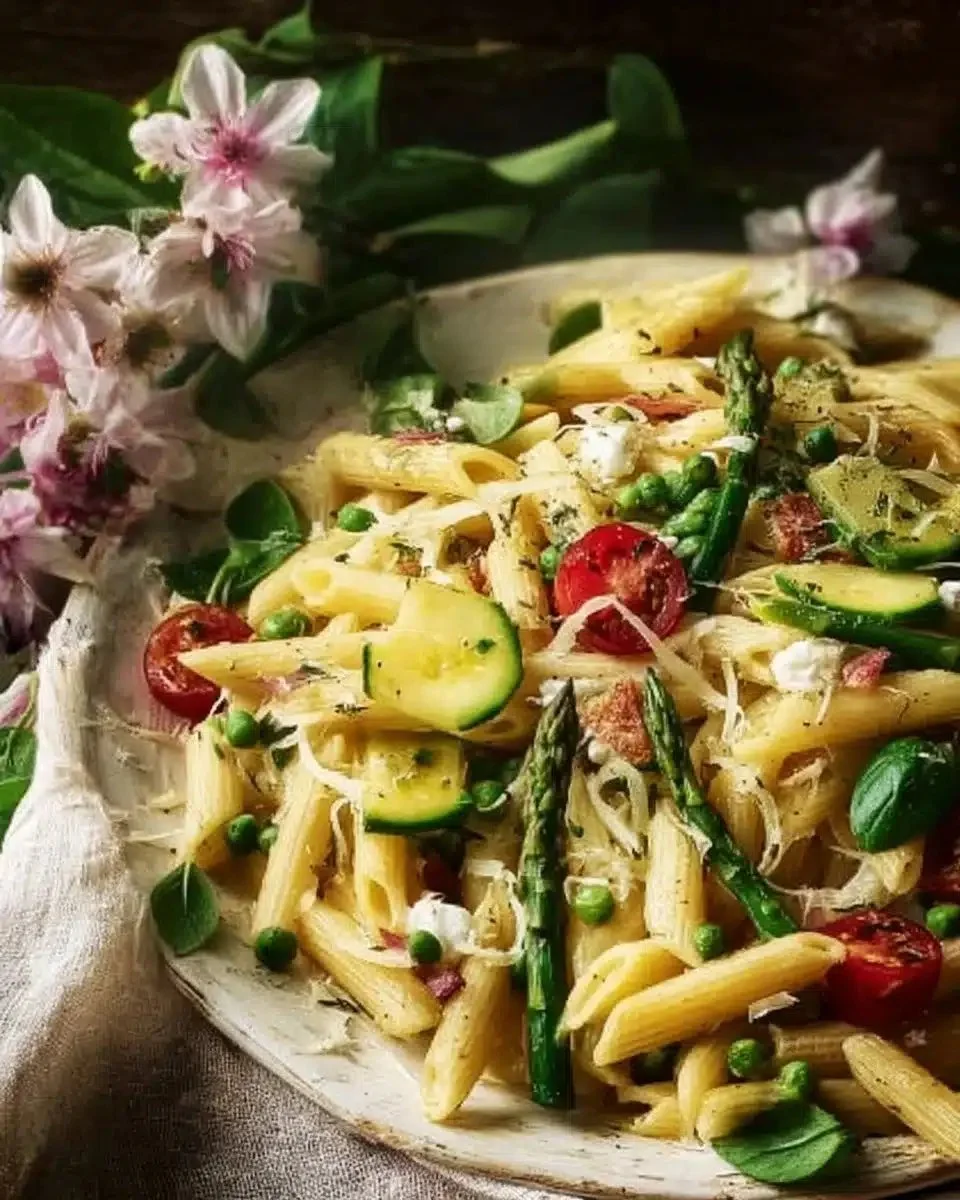
Asparagus Lemon Pasta — Bright Spring Dinner
The first bite is bright and floral, with lemon and blanched asparagus snapping against a silky, olive-oil sauce. I call this Asparagus Lemon Pasta my go-to spring supper because it’s fast, fresh, and full of layered flavor. I developed this version while testing weeknight menus and refined it over eight trials to balance acidity, texture, and creaminess. The approach leans on quick blanching and finishing the sauce in the pasta pot so the starches bind everything. Read on for exact timings, chef-tested tips, and easy swaps to make it your own. If you love lemon-forward pastas, try this alongside a richer option like creamy lemon chicken pasta for a contrast of textures and proteins.
Why This Recipe Works
- Blanching the asparagus quickly keeps it bright and crisp-tender while preventing a mushy texture.
- Finishing the sauce in the hot pasta water uses the starch to thicken the sauce naturally without cream.
- Lemon juice added last preserves brightness and avoids bitterness from overcooking the citrus.
- Anchoring the dish with good olive oil and a pinch of reserved pasta water creates a silky mouthfeel.
- Timing every element so pasta and asparagus finish together keeps texture consistent.
Ingredients Breakdown
- Pasta (400 g / 14 oz): Use long pasta like linguine or spaghetti. The long strands wrap well with the asparagus. Measure by weight for consistent results.
- Asparagus (450 g / 1 lb): Trim woody ends. Thicker stalks are easiest to char or roast; thin stalks blanch quickly. Substitution impact: swapping for broccoli changes cook time and flavor.
- Lemon (zest + 2 tbsp / 30 ml juice): Zest provides aromatic oil; juice gives acidity. Add juice at the end to keep it bright.
- Extra-virgin olive oil (60 ml / 1/4 cup): Forms the base of the sauce. Use a fruity, high-quality oil for the best aroma.
- Garlic (2 cloves, minced): Builds savory depth. If you prefer milder garlic, slice and infuse then remove.
- Red pepper flakes (1/4–1/2 tsp): Optional; add for heat. Omit for no spice.
- Parmesan or Pecorino Romano (50 g / 1/2 cup, finely grated): Adds umami and creaminess. For a vegetarian option, use a vegetarian hard cheese.
- Salt: Use Diamond Crystal kosher salt if available. If using Morton’s, use about half the volume because it’s denser.
- Black pepper, freshly ground: Finish to taste.
- Optional: 60 ml (1/4 cup) heavy cream or 2 tbsp (30 g) butter for a richer sauce. Impact warning: cream will mute the lemon’s brightness.
Essential Equipment
- Large pot for boiling pasta (at least 5 L / 5 qt) — enough water prevents sticking.
- Large skillet or sauté pan (30 cm / 12 in) — big enough to toss the pasta and asparagus.
- Colander and tongs.
- Microplane for zesting lemons.
- Kitchen scale for accurate pasta and cheese weights.
- Slotted spoon for blanching asparagus. No slotted spoon? Use a spider or tongs.
Step-by-Step Instructions
Prep: 10 minutes. Cook: 15 minutes. Inactive: None. Total time: 25 minutes. Servings: 4. Serving size: about 1 plate (approx. 1 1/4 cups).
Step 1: Trim and prep the asparagus
Rinse 450 g (1 lb) asparagus and snap off woody ends (about 2–3 cm / 1 inch from the base). Cut into 3–4 cm (1–1.5 in) pieces, leaving the tips whole for visual appeal. This takes about 4–5 minutes.
Step 2: Bring salted water to a boil and blanch asparagus
Bring 4–5 L (4–5 qt) water to a rolling boil and add 1 tbsp (18 g) kosher salt. Blanch asparagus for 1–2 minutes until bright green and just tender. Transfer to an ice bath to stop cooking, then drain. Timing: 1–2 minutes. Sensory cue: asparagus should be vivid green and firm when pierced.
Step 3: Cook the pasta until al dente
Cook 400 g (14 oz) linguine in the same boiling water for the package’s al dente time minus 1 minute (usually 8–9 minutes total). Reserve 240 ml (1 cup) pasta cooking water before draining. Do not rinse the pasta — you want the starch.
Step 4: Build the sauce in a skillet
Heat 60 ml (1/4 cup) extra-virgin olive oil over medium heat. Add 2 minced garlic cloves and 1/4 tsp red pepper flakes; sauté 30–45 seconds until fragrant but not browned. Add the blanched asparagus and sauté 1–2 minutes to warm through.
Step 5: Finish with pasta water and cheese
Add the drained pasta to the skillet with 120–180 ml (1/2–3/4 cup) reserved pasta water and toss for 1–2 minutes until the sauce emulsifies. Stir in 50 g (1/2 cup) finely grated Parmesan and 2 tbsp (30 ml) lemon juice. Adjust texture with more pasta water if needed. Sensory cue: sauce should cling to the pasta with a glossy sheen. Stop adding water once you reach a silky coating.
Step 6: Taste, season, and serve
Remove from heat and zest 1 lemon over the pasta. Season with salt and freshly ground black pepper to taste. Serve immediately with extra cheese and a drizzle of olive oil. Total plating time: 1–2 minutes.
Expert Tips & Pro Techniques
- Common mistake: overcooking asparagus. Avoid this by blanching for 1–2 minutes and shocking in ice water. Overcooked asparagus turns dull and mushy.
- Use reserved pasta water to bind the sauce. The starch acts as a natural emulsifier, making a creamy coating without heavy cream.
- Make-ahead: Trim and blanch the asparagus up to 24 hours ahead. Store cooled pieces in an airtight container in the fridge. Reheat by briefly tossing in the warm skillet with garlic.
- Professional technique adapted for home cooks: finish the pasta off-heat and toss vigorously for 15–20 seconds to create a glossy emulsion. It replicates restaurant-level coating without extra fat.
- Heat control: keep your skillet at medium. Too hot and garlic will burn in 30 seconds; too cool and you won’t create a good emulsion.
- For a smoky note, char half the asparagus under a high broiler for 2–3 minutes and mix with blanched stalks before finishing.
In this section, I also recommend pairing this bright pasta with a chilled, creamy smoothie after a workout—try a simple banana smoothie for weight loss for a light dessert or recovery drink.
Storage & Reheating
- Refrigerator: Store leftovers in an airtight container for up to 3 days. The asparagus softens over time but the flavors hold well.
- Freezer: Not recommended. Pasta sauces with olive oil and fresh asparagus lose texture when frozen.
- Reheating: Reheat gently in a skillet over low heat with a splash of water or extra-virgin olive oil, 175°C (350°F) oven-safe covered for 6–8 minutes is also fine. Avoid microwaving — it can make the pasta gummy.
Variations & Substitutions
- Vegetarian (No cheese): Omit Parmesan and add 2 tbsp (30 ml) nutritional yeast for a savory note. Keep lemon and olive oil the same.
- Creamier version: Stir in 60 ml (1/4 cup) heavy cream or 30 g (2 tbsp) butter with the pasta water. The sauce will be richer and slightly less bright; reduce lemon juice to 1 tbsp (15 ml).
- Protein add-in: Toss in 200 g (7 oz) cooked shrimp or shredded roasted chicken at the end. No change to other measurements; just warm through for 1–2 minutes.
- Gluten-free: Use 400 g (14 oz) gluten-free linguine. Cooking time may vary; follow package instructions and reserve extra pasta water.
- Spring vegetable mix: Swap half the asparagus for thinly sliced snap peas or peas. Keep blanching times similar; peas cook in 1 minute.
In my recipe tests, a lighter pairing also worked well with a chilled smoothie; see this banana smoothie for weight loss if you want a refreshing finish.
Serving Suggestions & Pairings
- Light green salad with a lemon vinaigrette keeps the meal fresh and citrus-forward. Pair with crunchy radish and shaved fennel.
- Serve alongside crusty bread and butter to mop up the glossy sauce. A simple garlic bread also works.
- Wine pairing: A dry Sauvignon Blanc or a light Pinot Grigio complements the lemon and asparagus.
- For a heartier meal, pair with roasted sausage or cured meats, such as found in a recipe for autumn sausage pasta — the savory sausage balances the lemony brightness.
Nutrition Information
Per serving. Serving size: about 1 plate. Recipe yields 4 servings.
- Calories: 520 kcal
- Total Fat: 20 g
- Saturated Fat: 6 g
- Cholesterol: 20 mg
- Sodium: 520 mg
- Total Carbohydrates: 64 g
- Dietary Fiber: 4 g
- Sugars: 3 g
- Protein: 18 g
Nutrition values are estimates. Actual values may vary based on specific ingredients and preparation methods.
Frequently Asked Questions
Q: Why did my asparagus turn out limp and dull?
A: Most likely it was overcooked. Blanch for only 1–2 minutes and shock in ice water to preserve color and snap.
Q: Can I make this without garlic or cheese?
A: Yes. Omit garlic and cheese and boost flavor with extra lemon zest and a tablespoon of toasted pine nuts or nutritional yeast for savory depth.
Q: Can I double this recipe for a crowd?
A: Yes. Double all ingredients and use a very large pot and skillet or cook pasta in batches. Keep the water ratio and seasoning proportional.
Q: Can I prepare this the night before?
A: You can trim and blanch the asparagus up to 24 hours ahead and store it chilled. Cook the pasta and finish the sauce just before serving for best texture.
Q: How long does this keep in the fridge?
A: Stored in an airtight container, it keeps up to 3 days. Reheat gently to avoid making the pasta gummy.
Q: Can I swap lemon for lime or orange?
A: Lime will work but changes the profile to a sharper citrus. Orange adds sweetness and needs less juice; reduce to 1 tbsp (15 ml).
Q: Is there a simple gluten-free swap that preserves texture?
A: Use a high-quality rice or corn-based gluten-free linguine and reserve extra pasta water. Cooking times vary, so check the package for al dente timing.
Conclusion
This Asparagus Lemon Pasta is a quick way to celebrate spring produce with bright, clean flavors and minimal fuss. For a slightly different take on lemon-and-asparagus pasta, see Kath Eats’ Lemon Asparagus Spring Pasta for additional ideas. If you want a fast, charred version of this dish, check out Dishing Out Health’s 30-Minute Asparagus and Lemon Pasta for a 30-minute method.
Print
Asparagus Lemon Pasta
- Total Time: 25 minutes
- Yield: 4 servings 1x
- Diet: Vegetarian
Description
A bright and fresh spring pasta dish featuring blanched asparagus and a silky lemon olive oil sauce.
Ingredients
- 400 g (14 oz) long pasta (linguine or spaghetti)
- 450 g (1 lb) asparagus, trimmed
- Zest of 1 lemon and 30 ml (2 tbsp) lemon juice
- 60 ml (1/4 cup) extra-virgin olive oil
- 2 cloves garlic, minced
- 1/4–1/2 tsp red pepper flakes (optional)
- 50 g (1/2 cup) Parmesan or Pecorino Romano, finely grated
- Salt, to taste
- Black pepper, freshly ground, to taste
- 60 ml (1/4 cup) heavy cream or 30 g (2 tbsp) butter (optional)
Instructions
- Trim and prep the asparagus by rinsing and snapping off woody ends, cutting into 3–4 cm pieces.
- Bring a large pot of salted water to a boil and blanch asparagus for 1–2 minutes. Transfer to an ice bath to stop cooking, then drain.
- Cook the pasta in the same boiling water according to package instructions, reserving 240 ml (1 cup) pasta cooking water before draining.
- Heat olive oil in a skillet over medium heat and sauté minced garlic and red pepper flakes for 30–45 seconds.
- Add the blanched asparagus to the skillet and sauté for 1–2 minutes.
- Combine the drained pasta with reserved pasta water and Parmesan, stirring until the sauce emulsifies. Mix in lemon juice.
- Season to taste with salt and black pepper, and serve immediately with lemon zest on top.
Notes
For a richer sauce, add heavy cream or butter. Serve with a light salad or crusty bread.
- Prep Time: 10 minutes
- Cook Time: 15 minutes
- Category: Main Course
- Method: Boiling / Sautéing
- Cuisine: Italian
Nutrition
- Serving Size: 1 serving
- Calories: 520
- Sugar: 3g
- Sodium: 520mg
- Fat: 20g
- Saturated Fat: 6g
- Unsaturated Fat: 14g
- Trans Fat: 0g
- Carbohydrates: 64g
- Fiber: 4g
- Protein: 18g
- Cholesterol: 20mg