
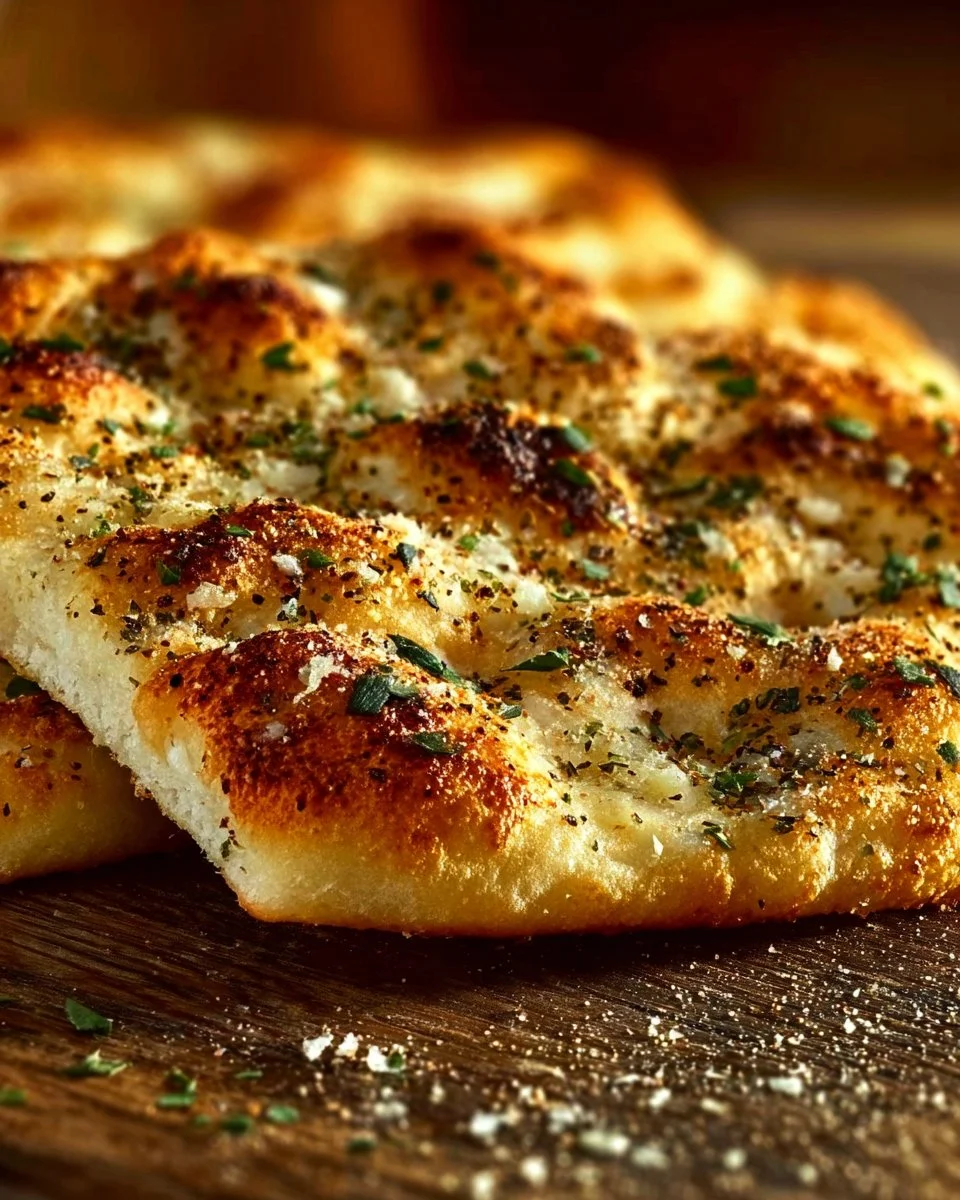
Easy Cottage Cheese Flatbread — Fluffy, Protein-Packed Delight
Warm, soft, and slightly tangy, this cottage cheese flatbread browns with tiny pockets of steam and a tender crumb. I developed this simple, yeast-free method to get the texture of a quick flatbread with the protein boost of cottage cheese. After testing it 8 times with different cottage cheese curd sizes and flours, I settled on the balance below: soft, not gummy, with a pleasantly yeasty-like rise from baking powder. This is the version I use on busy weeknights and at weekend brunches.
If you like cottage cheese bowls, you’ll find similar flavor ideas in these cottage cheese bowl recipes. Read on for a clear ingredient breakdown, precise step-by-step instructions, and tips that prevent common mistakes.
Why This Recipe Works
- Baking powder gives immediate lift without waiting for yeast, so the bread stays light and tender.
- Cottage cheese adds moisture and protein while breaking gluten strands just enough for softness.
- A quick rest lets flour hydrate fully, improving texture and making the dough easier to shape.
- Moderate heat creates a golden exterior while leaving the center pillowy rather than dry.
- Small curd cottage cheese disperses more evenly; large curds create visible pockets of cheese and a more rustic look.
Ingredients Breakdown
- All-purpose flour 250 g (2 cups): Provides structure. For a chewier result, try 00 or bread flour, but reduce water slightly.
- Baking powder 8 g (2 tsp): Leavening agent. Do not substitute with baking soda unless you also add an acid like yogurt or lemon juice.
- Fine salt 4 g (3/4 tsp): Enhances flavor. If using Diamond Crystal kosher salt, increase to 1 1/4 tsp; if using Morton’s, use 3/4 tsp.
- Cottage cheese 225 g (1 cup): Adds moisture, tang, and protein. Use small-curd for an even texture. Low-fat cottage cheese works but yields a slightly less tender crumb.
- Large egg 50 g (1 egg): Binds the dough and enriches it. Egg-free option is listed in Variations.
- Olive oil 30 ml (2 tbsp): Keeps the crumb tender and aids browning. Neutral oil like vegetable oil is fine if you prefer.
- Warm water 30–60 ml (2–4 tbsp), as needed: Adjust to bring dough together. Add gradually to avoid a sticky dough.
- Optional: 15 g (1 tbsp) chopped fresh herbs (rosemary, thyme) or 1 tsp garlic powder for savory flavor.
Substitutions with impact warnings:
- Greek yogurt for cottage cheese: yields tangier, denser flatbread.
- Gluten-free 1:1 blend: use a blend designed for baking and add 1/2 tsp xanthan gum for elasticity; texture will be different.
- No egg: replaces with 60 g (1/4 cup) silken tofu or 1 tbsp ground flaxseed + 3 tbsp water (see FAQ).
For inspiration pairing this flatbread with protein bowls, see this collection of protein taco bowls that work well alongside it.
Essential Equipment
- Large mixing bowl: big enough to combine wet and dry ingredients without spilling.
- Kitchen scale (recommended): weigh flour for consistent results.
- Nonstick or cast-iron skillet, 25–30 cm (10–12 inches): gives even browning; a nonstick pan reduces the need for extra oil.
- Spatula and bench scraper: to shape and transfer dough rounds.
- Measuring spoons and cups or a digital scale: for precise leavening amounts.
- Baking sheet and parchment paper (optional): if you prefer to bake the flatbreads in the oven.
No cast iron? Use a heavy-bottomed nonstick skillet and increase heat slightly to 200°C (400°F) / medium-high stovetop; watch closely for burning. For oven baking, a pizza stone is helpful but not required.
Try these taco bowl combos for topping ideas and flavor pairings while you prep.
Step-by-Step Instructions
Prep Time: 10 minutes | Cook Time: 12 minutes | Inactive Time: None | Total Time: 22 minutes | Servings: 4 (1 flatbread each)
Step 1: Mix dry ingredients
In a large bowl, whisk 250 g (2 cups) all-purpose flour, 8 g (2 tsp) baking powder, and 4 g (3/4 tsp) fine salt until evenly combined. This takes about 30 seconds. Sifting is optional but helps avoid lumps.
Step 2: Add wet ingredients
In a separate bowl, combine 225 g (1 cup) small-curd cottage cheese, 50 g (1 large) egg, and 30 ml (2 tbsp) olive oil. Mix with a fork until mostly smooth, about 30–45 seconds. Stir the wet mix into the dry ingredients.
Step 3: Form the dough
Use a spatula to fold the mixture, then add 30–60 ml (2–4 tbsp) warm water only as needed until a soft, slightly sticky dough forms. Total mixing time: 1–2 minutes. Do not overmix — stop as soon as no dry flour is visible.
Step 4: Rest and divide
Let the dough rest 10 minutes at room temperature to hydrate the flour. After resting, divide into 4 equal pieces (about 165 g / 5.8 oz each). Lightly flour your work surface and shape each piece into a round disk 1 cm (1/3 inch) thick. Resting time: 10 minutes.
Step 5: Cook on the stovetop
Heat a skillet over medium heat (about 190°C / medium). Add a thin film of oil or butter. Cook each flatbread 3–4 minutes per side until golden brown and puffed, flipping once. Sensory cue: look for golden edges and a set center.
Step 6: (Optional) Bake for a crispier edge
If you prefer an oven finish, preheat to 200°C (400°F) and bake on a parchment-lined sheet for 8–10 minutes until the tops are lightly golden. Internal doneness cue: the center should feel set and spring back when pressed lightly.
Serve warm. These flatbreads are best within a few hours but still good the next day when reheated.
Expert Tips & Pro Techniques
- Common mistake: Overmixing creates a gummy texture. Mix only until combined and rest the dough for hydration.
- Use small-curd cottage cheese for an even crumb; large-curd will give rustic cheese pockets.
- Make-ahead: Mix the dough and refrigerate for up to 24 hours. Bring to room temperature 30 minutes before shaping and cook as directed.
- Professional technique adapted for home cooks: Heat your skillet until a drop of water dances across the surface; that ensures instant searing and proper browning.
- For uniform rounds, weigh each piece with a kitchen scale (about 165 g / 5.8 oz each).
- To crisp edges after stovetop cooking, finish on a hot baking sheet for 2–3 minutes at 220°C (425°F).
Storage & Reheating
- Refrigerator: Cool completely, then store in an airtight container or zip-top bag for up to 3 days.
- Freezer: Wrap each flatbread in parchment and place in a freezer bag. Freeze for up to 2 months. Thaw overnight in the fridge.
- Reheating: Reheat in a 175°C (350°F) oven for 8–10 minutes. For a quicker method, toast in a dry skillet over medium for 1–2 minutes per side. Avoid microwaving — it can make the bread rubbery.
Variations & Substitutions
- Gluten-Free Version: Replace all-purpose flour with 1:1 gluten-free flour (e.g., Bob’s Red Mill). Add 1/2 tsp xanthan gum. Baking time increases by 2–4 minutes and texture will be slightly crumblier.
- Herb & Garlic Flatbread: Add 15 g (1 tbsp) chopped rosemary and 1 tsp garlic powder to the dough. Keep measurements the same; cook times unchanged.
- Egg-Free Version: Replace the egg with 60 g (1/4 cup) silken tofu blended smooth, or with 1 tbsp ground flaxseed mixed with 3 tbsp water (rest 5 minutes). Texture will be slightly denser.
- Cheesy Pockets: Fold 30–45 g (1–1.5 oz) grated mozzarella into each disk before cooking for melty pockets. Seal edges well to prevent leakage.
- Pan-Baked Crisp: Roll disks thinner (5 mm / 1/4 inch) and bake at 220°C (425°F) for 10–12 minutes for a crisp, cracker-like flatbread.
For creative pairings and topping ideas, try these flavorful cottage cheese taco bowls that make great accompaniments.
Serving Suggestions & Pairings
- Mediterranean plate: Serve with hummus, tzatziki, roasted tomatoes, and a side salad.
- Sandwich style: Split and fill with grilled vegetables and a smear of pesto.
- Brunch idea: Top with smoked salmon, dill, capers, and a spread of ricotta.
- Snack board: Slice and serve with olives, cured meats, and honey for contrast.
Pair with a crisp white wine or a light, herbal iced tea. For a playful dessert twist, top warm flatbread with ricotta, honey, and toasted walnuts; see how dairy-forward baking plays out in this cottage cheese brownie bake for dessert inspiration.
Nutrition Information
Per serving (1 flatbread), makes 4 servings:
- Serving size: 1 flatbread
- Calories: 320 kcal
- Total Fat: 10 g
- Saturated Fat: 2.5 g
- Cholesterol: 55 mg
- Sodium: 420 mg
- Total Carbohydrates: 42 g
- Dietary Fiber: 2 g
- Sugars: 4 g
- Protein: 20 g
Nutrition values are estimates. Actual values may vary based on specific ingredients and preparation methods.
Frequently Asked Questions
Q: Why did my flatbread turn out dry?
A: Dry results usually come from too much flour or overcooking. Measure flour by weight and cook until golden but still soft at the center. Resting the dough helps hydration.
Q: Can I make this without eggs?
A: Yes. Replace the egg with 60 g (1/4 cup) silken tofu blended smooth or mix 1 tbsp ground flaxseed with 3 tbsp water and let sit 5 minutes. Expect a slightly denser crumb.
Q: Can I double this recipe?
A: Yes. Double all ingredients and divide the dough into 8 portions. Work in batches on the stovetop. If using smaller pans, cook more flatbreads at a time but avoid crowding.
Q: Can I prepare this the night before?
A: Absolutely. Mix dough, shape into rounds, cover, and refrigerate up to 24 hours. Bring to room temperature for 20–30 minutes before cooking.
Q: How long does this keep in the fridge?
A: Store in an airtight container for up to 3 days. For longer storage, freeze individual flatbreads for up to 2 months.
Q: Is this recipe suitable for a high-protein diet?
A: Yes — cottage cheese adds a strong protein boost. If you want even more protein, add a tablespoon of whey powder to the dough and reduce flour by 10 g (about 1 tbsp).
Q: Can I make these thinner and crispier?
A: Yes. Roll them to about 5 mm (1/4 inch) and bake at 220°C (425°F) for 10–12 minutes until crisp.
Conclusion
If you want more baked-egg-and-cottage-cheese ideas for breakfast, try this spin on a morning bake shown in the Healthy Cottage Cheese & Spinach Egg Bake for a protein-packed start. For a different breakfast-bake take that highlights cottage cheese as the star, see the Cottage Cheese Breakfast Bake: A Protein-Packed Morning Delight.
Print
Easy Cottage Cheese Flatbread
- Total Time: 22 minutes
- Yield: 4 servings 1x
- Diet: Vegetarian
Description
Warm, soft, and slightly tangy flatbread made with cottage cheese for a protein boost. Perfect for busy weeknights and weekend brunches.
Ingredients
- 250 g (2 cups) all-purpose flour
- 8 g (2 tsp) baking powder
- 4 g (3/4 tsp) fine salt
- 225 g (1 cup) small-curd cottage cheese
- 1 large egg
- 30 ml (2 tbsp) olive oil
- 30–60 ml (2–4 tbsp) warm water, as needed
- Optional: 15 g (1 tbsp) chopped fresh herbs or 1 tsp garlic powder
Instructions
- In a large bowl, whisk together the flour, baking powder, and fine salt until evenly combined.
- In a separate bowl, mix the cottage cheese, egg, and olive oil until mostly smooth. Stir the wet mix into the dry ingredients.
- Fold the mixture with a spatula, adding warm water gradually until a soft dough forms.
- Let the dough rest for 10 minutes, then divide it into 4 equal pieces and shape each into a round disk about 1 cm thick.
- Heat a skillet over medium heat, cooking each flatbread for 3–4 minutes per side until golden brown and puffed.
- For a crispier finish, preheat the oven and bake the flatbreads on a parchment-lined sheet for 8–10 minutes.
Notes
Best when served warm, but can be stored in an airtight container for up to 3 days. Reheat in the oven or skillet for best results.
- Prep Time: 10 minutes
- Cook Time: 12 minutes
- Category: Side Dish
- Method: Stovetop / Baking
- Cuisine: Mediterranean
Nutrition
- Serving Size: 1 flatbread
- Calories: 320
- Sugar: 4 g
- Sodium: 420 mg
- Fat: 10 g
- Saturated Fat: 2.5 g
- Unsaturated Fat: 7.5 g
- Trans Fat: 0 g
- Carbohydrates: 42 g
- Fiber: 2 g
- Protein: 20 g
- Cholesterol: 55 mg