
Introduction
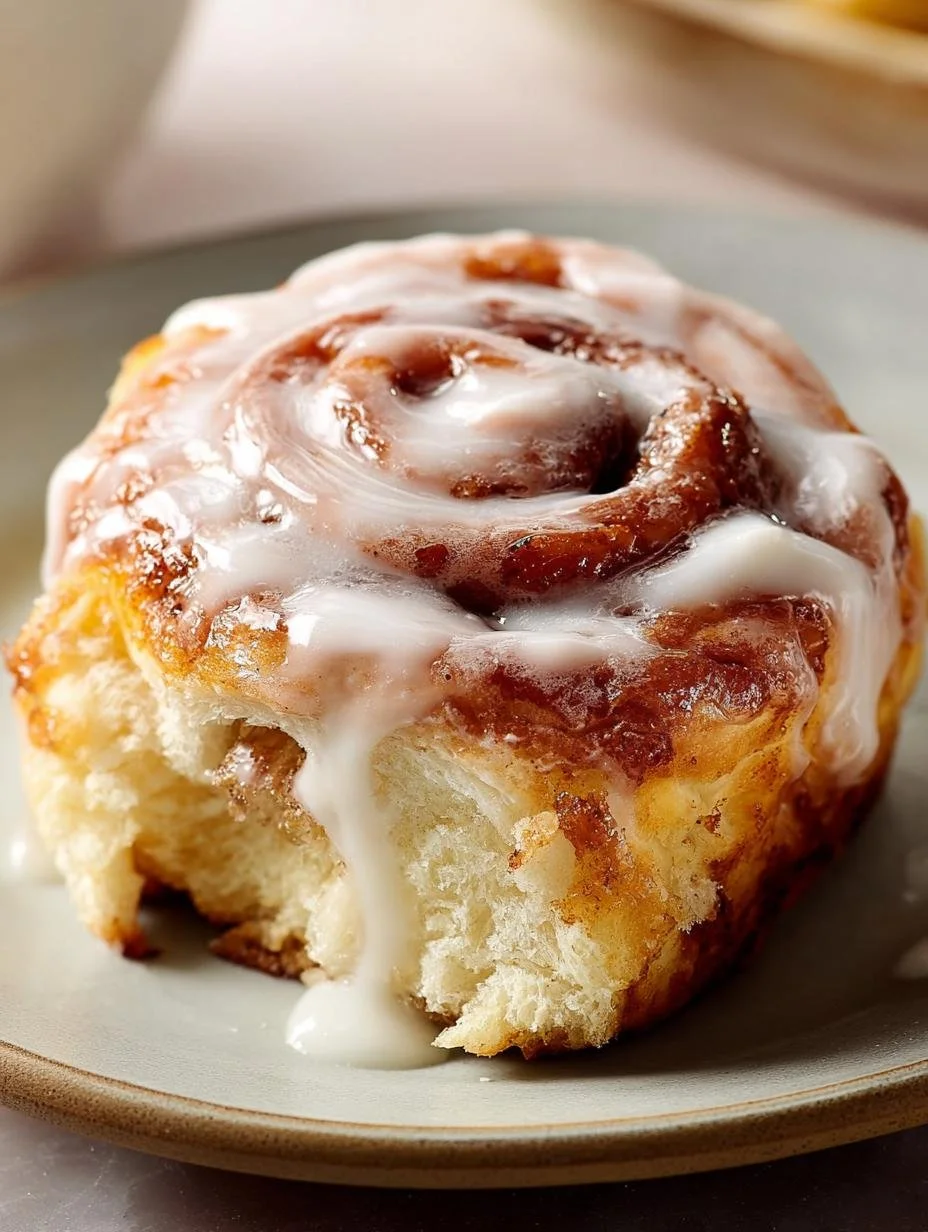
Gooey cinnamon rolls are the kind of food that makes an ordinary morning feel like a small celebration. If you’ve ever savored a warm, sticky center and swirls of fragrant cinnamon rolled into tender dough, you know why these treats endure. This Traditional Gooey Cinnamon Rolls guide walks you from fundamentals to advanced techniques so you can bake reliably delicious rolls at home.
In this guide you will gain:
- A clear understanding of what makes a roll “gooey” and how to control that texture.
- A step-by-step method for classic, authentic results.
- Practical alternatives and troubleshooting for common problems.
- Advanced tips to elevate flavor, texture, and efficiency.
Read on to build skills you’ll return to whenever you want bakery-quality gooey cinnamon rolls.
Background & Context
Cinnamon rolls have roots in Northern Europe and North America. The Classic Gooey Cinnamon Rolls history traces back to Swedish and German sweet breads—kanelbulle in Sweden and Zimtschnecke in Germany—adapted over centuries to local tastes and ingredients. When enriched, sweetened dough met American love of indulgence, the modern gooey roll emerged.
The phrase Authentic Gooey Cinnamon Rolls origin points to a mix of techniques: enriched doughs (butter, eggs, milk), heavy cinnamon-sugar fillings, and sometimes a final custard or sticky topping that creates that wanted gooey center. Cultural adaptation—larger American portion sizes, sweeter glazes—made these rolls a brunch staple and a comfort-food icon.
Personal observation: small changes—more butter in the filling, slightly underbaking the center, or a warm, high-sugar glaze—dramatically affect “gooeyness.” Understanding the why behind each step gives you control.
Why This Approach Works
This guide favors methods that produce consistent gooey centers without sacrificing structure.
Benefits:
- Predictable texture: balancing dough strength and interior moisture prevents collapse while preserving gooeyness.
- Accessibility: techniques use common tools and pantry ingredients.
- Flexibility: you can scale, adapt to dietary needs, or shift timing (same-day vs overnight).
Why these choices? Gooeyness is about retained moisture and syrupy sugar. Controlled yeast activity, enriched dough, and a moist filling are the three levers here. Address common objections: “Isn’t gooey just underbaked?” Not exactly—underbaking can leave raw dough. Instead, we aim for fully cooked dough with a saturated, syrupy center.
Core Concepts Explained
Break the task into logical components and why each matters.
Dough structure
- Purpose: provides framework to hold filling and shape.
- Key: gluten development balanced with tenderness. More gluten = sturdier roll; less = tender but fragile.
Yeast and proofing
- Purpose: leavens and creates light crumb.
- Key: temperature and timing. Too fast = overproof and collapse; too slow = dense rolls.
Filling composition
- Purpose: flavor, moisture, and caramelization.
- Key: butter + sugar + cinnamon ratios. Brown sugar adds chewiness; white sugar gives crisp caramel edges.
Gooey center mechanics
- Purpose: a sticky, syrup-like interior.
- Key: liquid content and sugar melt. Adding small amounts of heavy cream, corn syrup, or extra butter creates a syrup when heated.
Icing and glazing
- Purpose: balance and appearance.
- Key: thickness determines how much it seeps into rolls. Thin glaze soaks into nooks; thick frosting sits on top.
Alternatives and substitutions:
- Sweeteners: brown sugar for chewiness; coconut sugar for caramel notes.
- Fats: butter for flavor; margarine or vegan butter for dairy-free.
- Flours: all-purpose for accessibility; bread flour for stronger structure; pastry flour for delicate crumb.
Tools, Resources, or Foundations
Essentials:
- Mixing bowl or stand mixer with dough hook.
- Rolling pin.
- Bench scraper or sharp knife.
- 9×13” baking pan (or comparable size).
- Thermometer (for dough and oven).
- Measuring cups and spoons, kitchen scale recommended.
Optional enhancements:
- Baking stone or steel to stabilize oven temperature.
- Proofing box or warm, humidity-controlled space.
- Dough proofer or instant-read thermometer for precision.
Budget-friendly alternatives:
- Hand mixing and kneading instead of a stand mixer.
- Warm oven (turned off) as a proofing spot with a pan of hot water to add humidity.
- Use a glass or metal pan you already have; nonstick speeds release.
Commentary on usefulness:
Essentials ensure consistent results; optional tools speed up workflows and refine control. A simple kitchen setup can produce excellent rolls; technique matters more than gadgets.
Step-by-Step Process
This section gives a reliable, adaptable recipe and method. Time estimates assume a same-day schedule; some options mention overnight timing.
Overview timeline (same-day):
- Mix and knead dough: 15–25 minutes active, 1–2 hours bulk proof.
- Prepare filling and glaze: 10–15 minutes.
- Shape and proof rolls: 45–60 minutes.
- Bake: 20–28 minutes.
- Cool and glaze: 10–15 minutes.
Total active time: ~1.5–2 hours. Total elapsed: 3–4 hours.
H3: Make the enriched dough
- Warm liquid (milk or milk + water) to 100–110°F (37–43°C) for active dry yeast. If using instant yeast, slightly cooler is fine.
- Bloom yeast with a pinch of sugar (if using active dry), let sit 5–10 minutes until foamy.
- Mix flour, sugar, salt; add yeast mixture, softened butter, and eggs.
- Knead until smooth and elastic (hand: 8–12 minutes; stand mixer: 4–6 minutes). Dough should be tacky but not sticky.
- First proof in a lightly oiled bowl until doubled (1–2 hours, depending on temperature).
Pro tip: If your kitchen is cool, proof in the oven with just the light on or on top of a warm stove. Avoid overheating—too warm speeds fermentation and reduces flavor.
Common mistake: adding too much flour when dough is sticky. Correction: light oil on hands and a short rest allows hydration to balance.
H3: Prepare the filling
- Combine softened butter, brown sugar, white sugar (optional), cinnamon, and a pinch of salt.
- For extra gooeyness, add 1–2 tablespoons of corn syrup or heavy cream to the mixture. This creates a caramel-like syrup as it bakes.
- Spread an even layer over rolled-out dough.
Pro tip: Temperature matters—if butter is too soft, filling will absorb and bleed; too firm and it will tear the dough when spreading.
H3: Shape, cut, and proof
- Roll dough into a rectangle roughly 16×12 inches (measure to size of your pan).
- Spread filling evenly, leaving a small border.
- Roll tightly away from you into a log; pinch seam to seal.
- Cut into equal pieces (12 large or 16 smaller). Use floss or a sharp serrated knife for clean cuts.
- Arrange into a greased pan and allow final proof until puffy but not doubled (45–60 minutes).
Pro tip: For evenly sized rolls use dental floss: slide under log, cross the ends, and pull.
Common mistake: overproofing rolls so they collapse in the oven. Solution: bake when puffy and jiggly but still retaining shape.
H3: Bake and finish
- Preheat oven to 350°F (175°C).
- Optional: brush tops with melted butter for browning.
- Bake 20–28 minutes until golden and center registers ~190–200°F (88–93°C).
- Immediately apply glaze while rolls are hot so it soaks into interior swirls.
Pro tip: If you want extra gooey centers, place a shallow pan with 1/2 cup of water on the lower oven rack to produce more humidity during the first 10 minutes of baking.
Common mistake: glazing after rolls cools completely — less penetration. Solution: ice while still hot for best soak.
Expert Techniques & Insights
Advanced techniques raise consistency and flavor.
- Overnight retardation: After shaping rolls, place pan (covered) in the refrigerator overnight. This slow fermentation improves flavor and makes morning baking convenient. Allow 30–60 minutes at room temperature before baking.
- Laminated butter layers: For flakier swirls, incorporate a light lamination (fold-butter-fold) into the dough stage. This is advanced and increases layers and butter distribution.
- Sourdough adjust: Use a stiff sourdough starter and reduce commercial yeast. Sourdough adds complex flavor but requires longer fermentation and careful timing to avoid over-acidifying.
- Steam burst: Add humidity early in baking for better oven spring and softer crust.
- Enzyme and fat balance: If using enriched dough with lots of butter, shorten kneading slightly. Excess kneading and fat can make dough overly elastic.
Lessons learned: small tweaks compound. For example, swapping in brown sugar AND adding cream produces a richer, chewier interior than using white sugar alone.
Variations & Adaptations
Different contexts call for different rolls.
- Vegan: Replace butter with plant-based butter and use plant milk; swap eggs with aquafaba or a commercial egg replacer.
- Gluten-free: Use a tested bread blend with xanthan gum; expect differences in elasticity and shape retention.
- Sourdough cinnamon rolls: Use active sourdough starter, reduce added yeast, and extend proofing.
- Savory rolls: Omit sugar; use herb butter and grated cheese.
- Sticky bun adaptation: Add pecans and a brown sugar-butter syrup on the pan bottom before arranging rolls; invert after baking.
Skill-level adaptations:
- Beginner: Use a simple all-purpose dough with instant yeast and same-day proofing.
- Intermediate: Try overnight retardation for flavor depth.
- Advanced: Work with laminated dough or sourdough and control humidity during baking.
Cultural flexibility: Many cuisines have similar rolled sweet breads; adapt spices (cardamom, nutmeg) for regional flavors.
Analysis & Benefits Breakdown
A concise comparison to help you choose an approach.
| Method | Strengths | Limitations | Best for |
|—|—:|—|—|
| Same-day enriched dough | Quick, reliable, traditional gooey texture | Shorter flavor development | Weekends, immediacy |
| Overnight retardation | Deeper flavor, easier morning bake | Requires planning | Brunch hosting, routine bakers |
| Sourdough rolls | Complex flavor, tang balance | Longer timing, unpredictable rise | Artisan bakers |
| Vegan rolls | Inclusive diet-friendly | Slight flavor/fat differences | Dietary restrictions |
| Sticky bun method | Extra gooey, nutty topping | Less roll-focused presentation | Decadent dessert |
Use this table to match method to your goal—speed, flavor, or dietary needs.
Preparation, Retention & Long-Term Use
How to prepare effectively and keep your skills fresh.
- Prep: Measure and mise en place all ingredients. Soften butter to spreadable, not melted. Warm liquids precisely.
- Retention strategies: Keep a rolling log—temperature, proof times, and oven behavior. Small notes help repetition.
- Freezing: Unbaked shaped rolls freeze well. Freeze pan-wrapped for up to 3 months. Thaw in refrigerator overnight and proof before baking.
- Reheating: Microwave briefly (10–15 seconds) or warm in a low oven (300°F/150°C) for 8–10 minutes. Cover loosely to prevent drying.
- Longevity of skill: Master these techniques on different schedules (same-day, overnight) to learn signs—dough feel, proof state, and oven changes.
Troubleshooting & Common Problems
Problem → Cause → Solution
- Dense rolls → Underproofed dough or too much flour → Allow proper proof and reduce added flour; check yeast viability.
- Soggy center after baking → Overly wet filling or under-baked middle → Reduce added cream/corn syrup slightly and ensure internal temp ~190–200°F.
- Rolls collapse → Overproofing or weak dough structure → Shorten final proof; increase kneading or use higher-protein flour.
- Not gooey enough → Not enough liquid/sugar in filling or glaze applied too late → Add small amount of cream/corn syrup to filling; glaze while hot.
- Bitter or yeasty flavor → Overproofed dough or old yeast → Improve proof control; use fresh yeast.
- Excess spread/flat rolls → Dough too warm or overproofed; pan overcrowded → Proof in cooler spot; give rolls space.
Each issue is solvable with observation and small corrections. Baking is responsive—note variables and adjust.
FAQ Section
Q1: How do I know when rolls are properly proofed for baking?
A1: Look for puffy, jiggly rolls that have expanded but still hold an outline. A gentle press should spring back slowly. If it doesn’t spring back, it’s overproofed.
Q2: Can I make cinnamon rolls without eggs?
A2: Yes. Use plant-based milk and a binder like aquafaba or commercial egg replacer; texture will differ but be pleasant.
Q3: Should I use bread flour or all-purpose?
A3: All-purpose yields tender rolls and is fine for most bakers. Bread flour gives more structure and can help with bigger, taller rolls.
Q4: What creates the gooey center—filling or glaze?
A4: Primarily the filling. A filling with extra fat and a small amount of liquid (cream or corn syrup) forms a syrup during baking. Glaze complements absorption and flavor.
Q5: Can I bake rolls from frozen?
A5: Yes. Thaw in the refrigerator overnight, let come to room temp and proof until puffy, then bake as directed.
Q6: How to prevent the bottoms from burning before the center is done?
A6: Use an insulated or lighter-colored pan, place on a middle rack, and consider lowering oven temp 10–15°F with a slightly longer bake.
Q7: Is it better to cut rolls with a knife or floss?
A7: Floss gives cleaner cuts with less compression. Use a non-flavored unwaxed floss for best results.
Q8: How long do cinnamon rolls keep?
A8: Fresh at room temperature in an airtight container: 2 days. Refrigerated: up to a week (may dry). Frozen: up to 3 months.
Related Topics & Next Steps
If you enjoyed mastering gooey rolls, explore:
- Bread fundamentals: hydration, gluten, and fermentation.
- Enriched doughs: brioche and challah basics.
- Laminated doughs: croissants and Danish pastries.
- Flavor pairing: using citrus, nuts, or spiced syrups.
Next practical steps: practice the same recipe three times, varying only one parameter (proof time, sugar ratio, or oven temp) to learn cause-effect relationships.
Quick Reference Summary
- Dough: enriched, tacky, elastic; proof until doubled.
- Filling: butter + brown sugar + cinnamon; add cream/corn syrup for gooeyness.
- Shaping: roll tight, cut cleanly with floss.
- Proof + Bake: final proof until puffy; bake at 350°F until center ~190–200°F.
- Glaze: apply hot for best soak.
- Storage: freeze unbaked or baked for later use.
Bookmark this section for quick recall.
Conclusion
You now have a mentor-style, practical framework to make Traditional Gooey Cinnamon Rolls guide-quality results—whether you’re baking a single pan for family or refining technique for a weekend brunch. Practice, note small variables, and use the troubleshooting guide when things go sideways.
For reproducible recipes and variations that many home bakers swear by, see this Gooey Homemade Cinnamon Rolls {from scratch!}, and for another detailed recipe and technique set, refer to Gooey Homemade Cinnamon Rolls (Better Than Cinnabon!).
If you’d like, I can convert this guide into a printable checklist, adapt it for gluten-free or vegan diets, or build a video tutorial script based on the step-by-step section. Which would help you most next?
Print
Traditional Gooey Cinnamon Rolls
- Total Time: 150 minutes
- Yield: 12 large rolls 1x
- Diet: Vegetarian
Description
Learn how to bake classic gooey cinnamon rolls at home with this step-by-step guide, achieving a warm, sticky, and flavorful experience.
Ingredients
- 4 cups all-purpose flour
- 1 cup milk (warm, 100–110°F)
- 1/4 cup granulated sugar
- 1/4 cup brown sugar
- 1/4 cup unsalted butter (softened)
- 2 large eggs
- 1 packet active dry yeast (or 2 1/4 teaspoons)
- 1 teaspoon salt
- 1 tablespoon cinnamon
- 1/2 cup brown sugar (for filling)
- 1/2 cup unsalted butter (for filling, softened)
- 1–2 tablespoons corn syrup or heavy cream (for extra gooeyness)
Instructions
- Warm the milk to 100–110°F and bloom the yeast with a pinch of sugar; wait until foamy (5–10 minutes).
- Mix flour, granulated sugar, and salt; combine with yeast mixture, softened butter, and eggs. Knead until smooth and elastic.
- Let the dough rise in a lightly oiled bowl until doubled in size (1–2 hours).
- Combine softened butter, brown sugar, cinnamon, and corn syrup/heavy cream for the filling.
- Roll dough into a rectangle, spread filling evenly, roll into a log, and cut into pieces.
- Arrange cut pieces in a greased baking pan and let them proof until puffy (45–60 minutes).
- Preheat the oven to 350°F and bake the rolls until golden brown (20–28 minutes).
- Glaze the hot rolls immediately after baking.
Notes
For extra gooeyness, consider using a shallow pan with water in the oven to increase humidity while baking.
- Prep Time: 25 minutes
- Cook Time: 28 minutes
- Category: Breakfast
- Method: Baking
- Cuisine: American
Nutrition
- Serving Size: 1 roll
- Calories: 400
- Sugar: 15g
- Sodium: 300mg
- Fat: 18g
- Saturated Fat: 10g
- Unsaturated Fat: 5g
- Trans Fat: 0g
- Carbohydrates: 55g
- Fiber: 2g
- Protein: 8g
- Cholesterol: 50mg